


















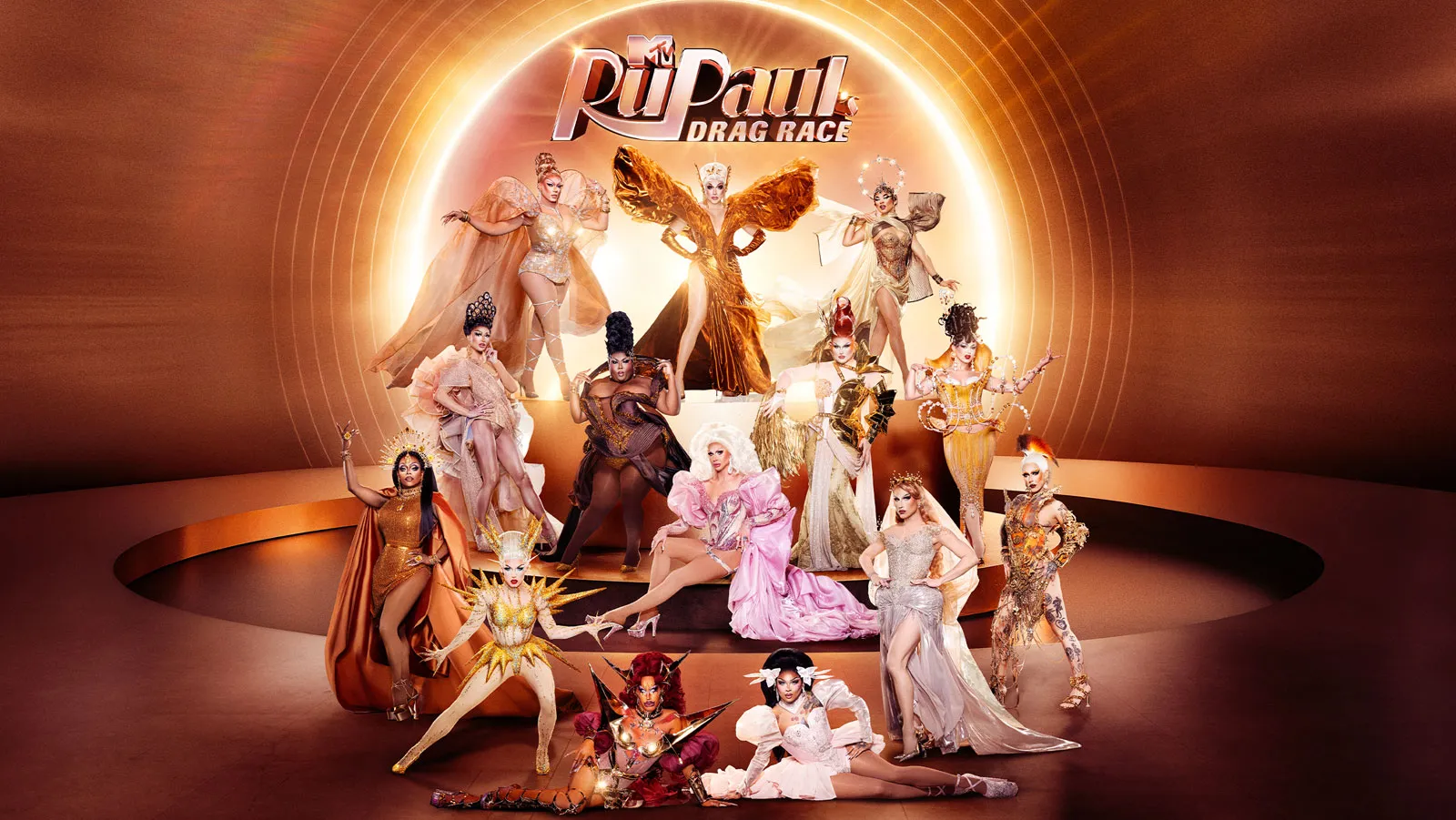
On Jan. 2, the Emmy-award winning reality television show “RuPaul’s Drag” Race premiered its 18th season. The tagline of the season — “in shady times, let there be light” — feels less like branding and more like reassurance as 14 dazzling new queens are introduced amid an increasingly hostile political climate.
Since 2009, drag legend RuPaul has hosted each season to search for “America’s next drag superstar,” throwing challenges ranging from fashion to comedy at competitors in a survival of the fittest and fabulous.
This year’s premiere set a viewership record, according to MTV. More important than its popularity, however, is its resonance to viewers — a reminder that joy, creativity and chosen family can thrive even in the bleakest of times.
The premiere episode featured Cardi B as the guest judge, the first of a stacked lineup of judges including Zara Larsson, Benny Blanco and Dove Cameron, to name just a few.
For myself and many others, the series isn’t merely entertainment. Witnessing the light that shines through the creativity and camaraderie is a privilege that has inspired me at some of the lowest points in my life.
The season’s first “maxi-challenge” captured that energy perfectly, posing a design challenge with the theme “Reclaim, Renew, Rejoice.” The queens were tasked with transforming unorthodox relics of previous seasons into runway-worthy couture. Umbrellas were retrofitted to multidimensional ball gowns, shower curtains into spiffy suits and even paper bags upcycled into a stunningly geometric dress.
What stood out to me was not only the quality of craftsmanship but also a reminder of the potential in objects and people deemed worthless. As they say, one woman’s trash is another woman’s treasure.
Helena Cirafelli, a sophomore art and hospitality management double major from Port Washington, N.Y, weighed in on how she sees the show and the creativity it celebrates.
“I perceive drag queens that truly refine their craft and work hard the same way that I perceive media artists, film directors and musicians,” Cirafelli said. “Art should be celebrated regardless of identity.”
Cirafelli also pushed back against common misconceptions.
“I think the whole argument that ‘men who do drag aren’t actually men’ makes zero sense,” Cirafelli said. “People who have enough confidence in their gender to completely flip it upside down and become someone else are much braver than someone who wouldn’t do so.”
Season 18 kicks off at a complicated time in American history. Queer and transgender people appear to be public enemy No. 1, the victims of vicious political scapegoating by politicians across the spectrum.
Cirafelli pushes against this narrative.
“Art should be celebrated regardless of identity, because being able to produce it in the first place is such a wonderful privilege that we have as human beings,” Cirafelli said.
Shows like “RuPaul’s Drag Race” can be more than just fun entertainment; they also can be a haven of inspiration for those daunted by the future and disillusioned by the systems that promised to protect them. They inspire, uplift and give us hope when we’re feeling under the weather.
As a visibly queer person, I wear makeup and occasionally over-the-top outfits not for the sake of vanity, but because I feel most happy and confident when my identity shines through my presentation. Shows like “RuPaul’s Drag Race” affirm that authenticity and enable others to do the same.
As spring classes start and students trickle back onto campus, Season 18 will release a fresh episode every Friday. Even amongst uncertainty, that consistent celebration feels like its own kind of good news.
Lenora Collier is a sophomore international studies and Arabic major from Hattiesburg, Miss.