














To the casual observer on a busy game day, the mounted officers patrolling downtown Oxford may look like the perfect photo op. However, they are actually a master class in operational efficiency and effectiveness. Dismissing these horses as mere mascots for the Oxford Police Department completely misses the mark on modern law enforcement practicality and vitality.
The tactical advantage of a mounted officer starts with undeniable visibility. Sitting eight to nine feet in the air, a rider can see right through the crowds. They can spot distress over vehicle traffic and navigate crowded streets far more effectively than any officer on foot.
“Because of their field of view, their size, physical presence and speed, mounted officers are able to search for suspects, de-escalate disturbances, manage crowd safety and get emergency services into an area as fast as possible,” David Misenhelter, an Oxford Police Department officer, said.
Instead of draining city funds, mounted units actually make the most out of the budget, since fewer are needed during high-traffic events.
“Police horses are practical in today’s law enforcement because one trained horse and rider is equal in presence to 10 officers on foot,” Misenhelter said. “Therefore, with consideration to overall budgeting of payroll of officers, putting horses on the street makes us more effective with our numbers in that we’re able to be more effective with less officers.”
Financially, keeping police horses is far more sustainable than many realize.
“The type of horses we look for are generally donated or purchased with donations,” Misenhelter said. “Because we do everything ourselves, it’s much less expensive than traditional horse sports or racing.”
Supported by nonprofit organization community donations, the OPD Mounted Patrol operates without heavy taxpayer strain.
Beyond logistics, the true power of a police horse lies in its unmatched ability to de-escalate tension and manage crowds.
“Police horses are a great de-escalation method that officers use to quell disturbances and manage scenes on a chaotic call,” Misenhelter said. “The horse’s size, movement and physical presence can separate involved parties on an investigation and deter a would-be attacker from acting out on a scene.”
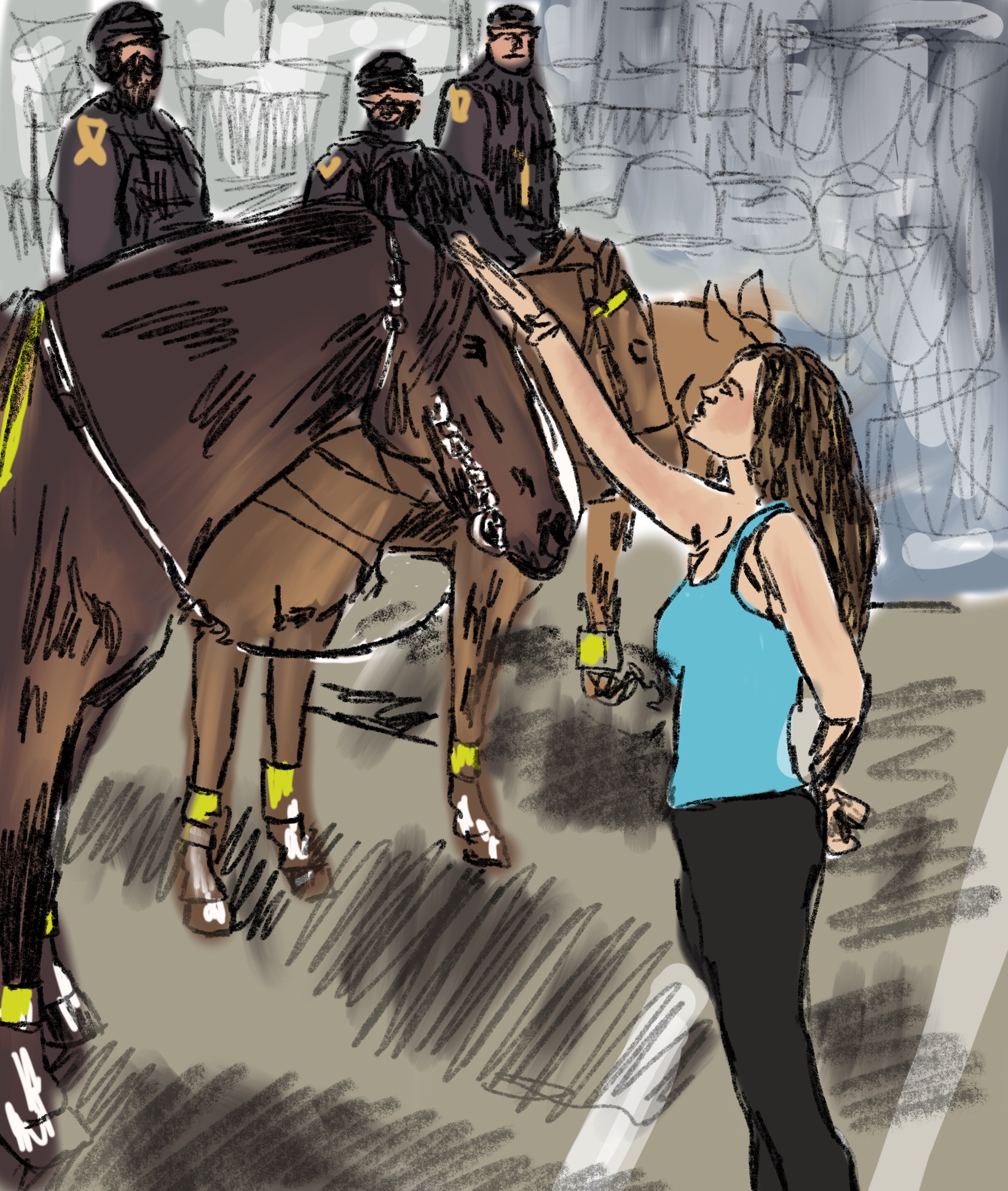
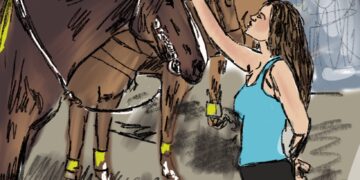
For me, however, the most important part of the mounted police force is the bridge the officers form between the local police and the community in a way squad cars never can and never will. Nobody lines up on a Friday night to snap a selfie with a police cruiser, yet residents, students and travelers all eagerly swarm around mounted officers just to interact with the horses.
The mounted police soften the intimidating barrier of the badge, and the horses invite open and positive dialogue that connects the Oxford community.
“The photo ops are very common with police horses, and it highlights a particularly valuable point of our department goals, and that is connection with the community,” Misenhelter said. “The horses have opened doors of communication with people that need our resources that we would’ve otherwise never had an interaction with.”
Of course, this seamless operation doesn’t happen overnight; it relies on careful training, mutual trust and selecting the right horses.
“The relationship between horse and rider is everything,” Misenhelter said. “We tend to prefer horses that are quieter in nature and are forward thinking. Horses that are mentally engaged with the activities and the crowds are the best kinds of horses for policing.”
Far from being a ceremonial luxury, Oxford’s working equestrian patrol is a master class in smart and community-based safety. The next time you see a mounted officer patrolling the Square, recognize the effort, dedication and training behind every patrol that keeps Oxford safe.
Vidya Adlakha is a senior biological sciences major from Ocean Springs, Miss.