





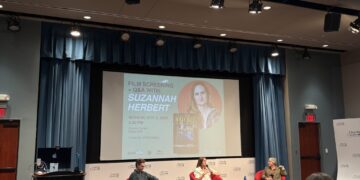






















The Center for the Study of Southern Culture hosted a screening of filmmaker Suzannah Herbert’s documentary “Natchez,” followed by a Q&A in the Overby Center for Southern Journalism and Politics on Monday, Nov. 2. The documentary premiered at the 2025 Tribeca Festival in New York City where it won Best Documentary Feature for examining the antebellum tourism industry in Natchez, Miss.
“Natchez” explores the contentious tourism industry through contrasting perspectives of romanticized Southern nostalgia and the harsh historical realities of slavery in Mississippi’s oldest continuously inhabited town.
It features a cast of Natchez residents and tourists through an unfiltered lens — fully displaying the lasting impact of the “Lost Cause of the Confederacy” mythology, which reframes the confederacy defeat as a noble, heroic struggle.
The film was a long running project for Herbert that involved immense research and a stay in Natchez lasting a year and a half. During the Q&A, Herbert spoke of the initial inspiration for the film.
“The idea really started when I was invited to a wedding on a plantation, and it got me thinking about how dominant culture uses sites of such pain and trauma for their own enjoyment and entertainment and profit,” Herbert said. “I really wanted to understand that and also interrogate it.”
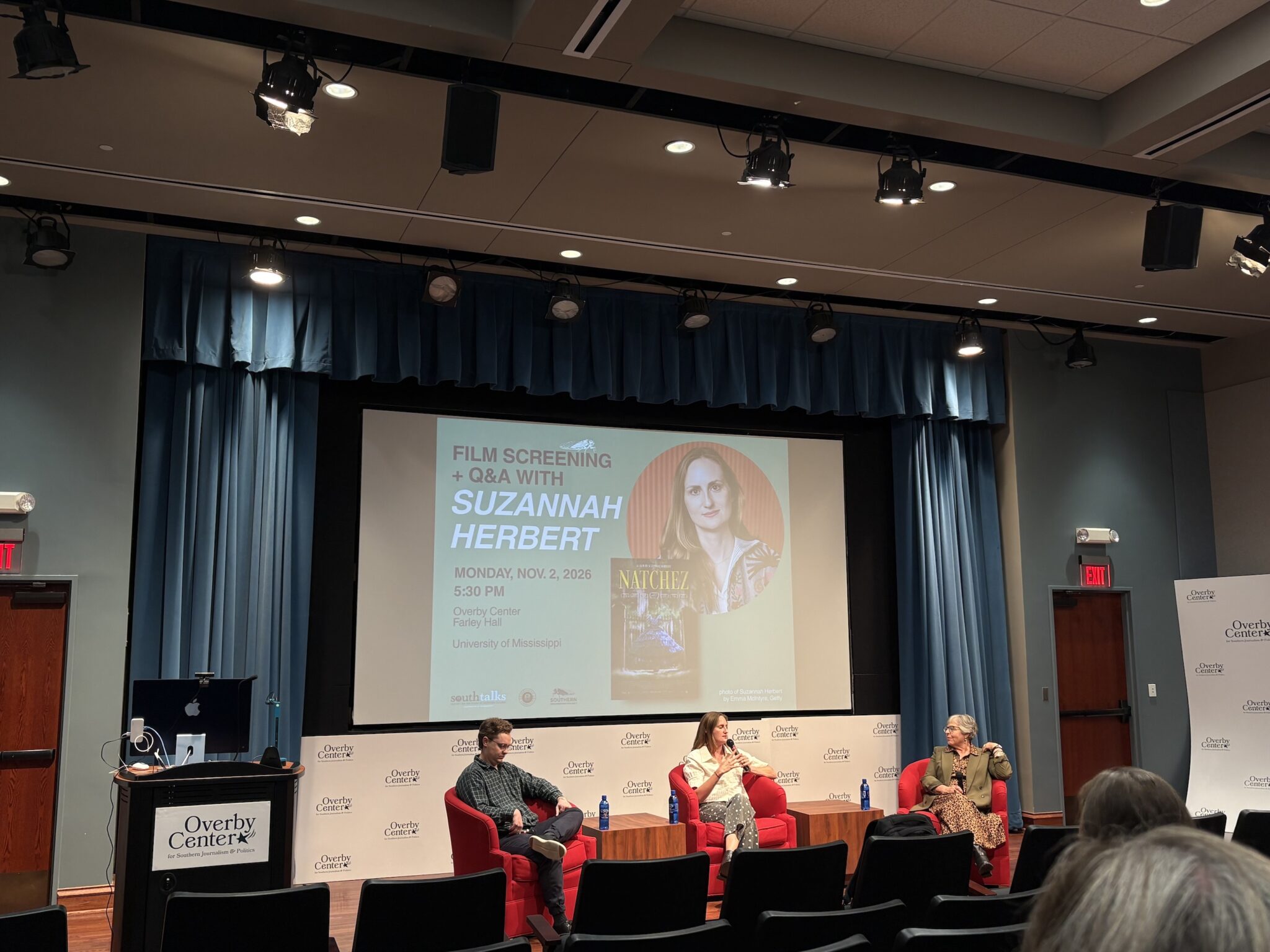
Herbert also detailed how Natchez, the state’s former capital, became the center of her documentary.
“I realized Natchez was actually the perfect place to explore these questions I had because it was a community grappling with, ‘How do we tell our story? How do we tell American history?” Herbert said. “They’re having to contend with these things on a daily basis because, for the past 90-plus years, they’ve been selling the myths of the old South through this tourism industry, and their economy depends so heavily on it. So people’s livelihoods, people’s identities are all wrapped up in this construction, in this myth, and that’s kind of how it started.”
“Natchez” is shot with soft, hazy lighting, featuring frames of beautiful architecture and landscapes. It feels like a memory — underscoring the nostalgic atmosphere of the town.
However, there is an air of absurdity lingering throughout as the narrative weaves through heavily sanitized, and often blatantly racist, antebellum tours.
Herbert’s filmmaking process was diverse and collaborative, but she talked about the necessity of having an all-white filming crew when entering the antebellum spaces.
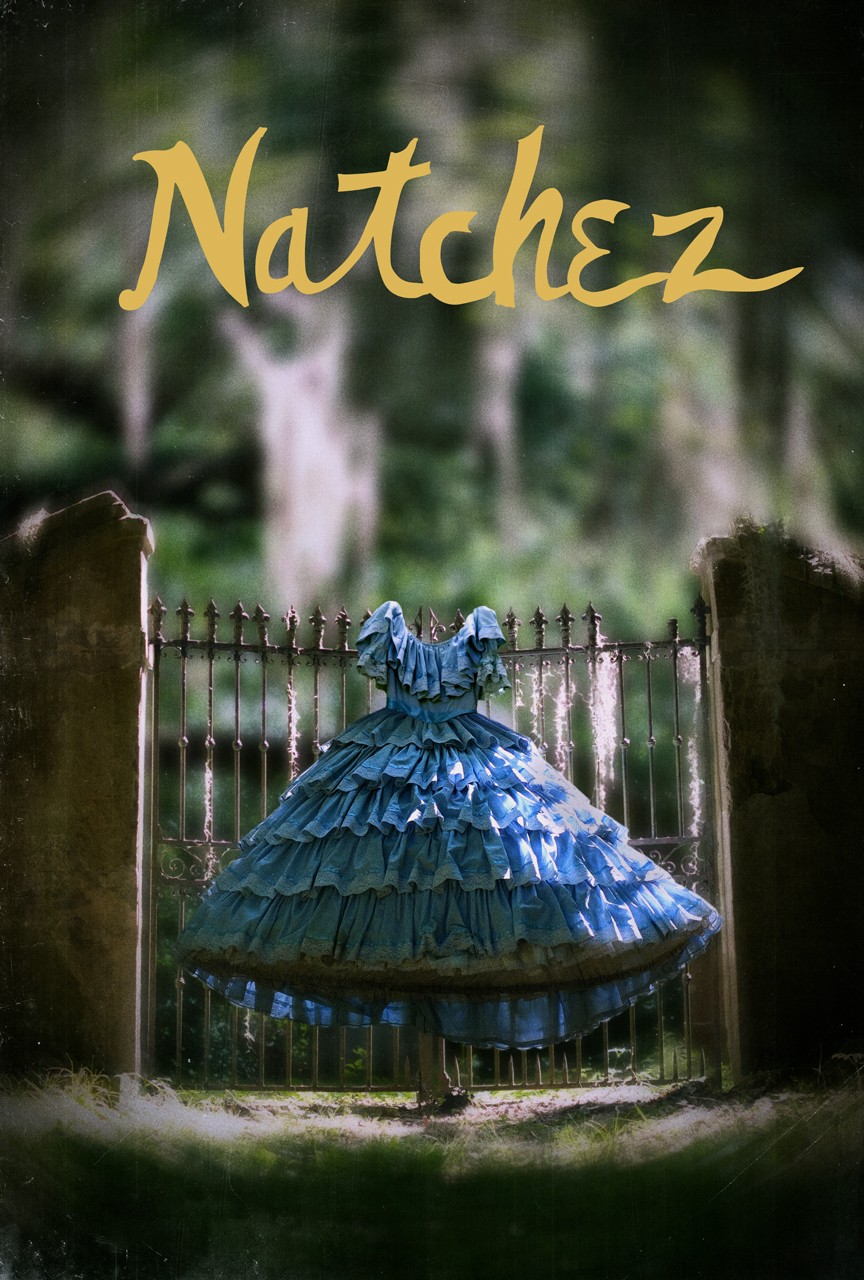
“I was very intentional in keeping our crew very small and very white, because I knew that that was the only way I was going to get to reveal the greater truths,” Herbert said. “To me, this film is really a film about whiteness, white power and the pain and destruction it causes in our society — not just in Natchez, but in America as a whole. I think my whiteness, my Southernness and me being a woman really allowed me to not only gain access into these homes in this world, but also, I think people saw themselves in me and projected their own feelings onto me.”
The clashing perspectives in “Natchez” were emphasized by the African American community, historians, tourists and tour guides featured in the film. The transition between visuals of stunning antebellum homes and the chains that enslaved the people who built them leaves a sharp, emotional impact.
Kathleen Bond, superintendent at the Natchez National Historic Park, was featured in the documentary and was a member of the Q&A panel. She reflected on how the tourism industry has made attempts towards change and how members of the community reacted to the film.
“When I moved to Natchez in 1993, the official tourism motto for 60 years had been ‘Where the Old South Still Lives,’” Bond said. “That tells you all you need to know about their marketing, and it’s not used anymore.”
However, some locals in the industry have been resistant to making any changes.
“In terms of the city, the local preservation group and the garden clubs, it’s like this film never happened,” Bond said. “They’re just in denial, and I think I’m off of a lot of Christmas card lists.”
Emma Tyler, a junior English major from Waleska, Ga., watched the documentary with no prior knowledge of Natchez’s tourism culture. She described the similar antebellum tourism industry in her home state and the benefit of seeing the film.
“I had no idea that that was going on there, but I do know that there are antebellum house tours in Savannah, Ga., so I was aware of that and that it was problematic in the sense that they also were not addressing the enslaved people that built these homes,” Tyler said. “It was very informative to me, as well. Being someone who’s not from Mississippi, it felt like I genuinely was learning something about the city, and I didn’t have these presupposed ideas of what it was like.”
Janelle Minor, a second-year Southern studies graduate student from Oxford, had seen the documentary before the SouthTalks screening. She noticed parallels between the city of Natchez and Oxford in the documentary and echoed Herbert’s previous sentiment about “Natchez” telling a larger story about American history.
“I think that some of the ways that the architecture of Natchez is celebrated is the same thing that we do here on this campus,” Minor said. “Even though it’s a story about Natchez, it’s really a story about the way we interact with space and what we ignore and choose to highlight when we’re in different spaces.”