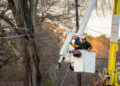


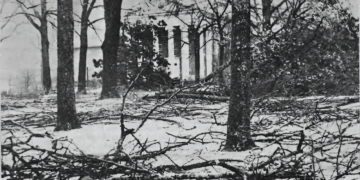


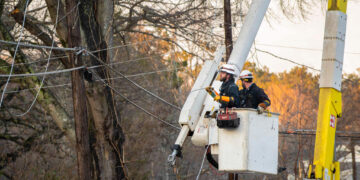














Winter Storm Fern swept through Oxford and disrupted daily schedules for students and community members. In response, the University of Mississippi community found creative ways to stay active and connected, from organizing indoor workouts to adapting normal schedules to the challenging conditions.
“Winter Storm Fern completely stopped my daily routine. I usually get up at 8 or 9 and go to classes, then to work, but all those activities came to a halt,” freshman film production major Jaidyn Bryant said. “Even the simple things like taking a shower or eating breakfast were affected because of the inconsistent power.”
Freshman mechanical engineering major Kyle Marin was thankful that Rebel Market continued to provide food on campus despite power outages and widespread closures.
“The winter storm significantly affected my daily routine. Waking up early to get a good breakfast at The Grill (at 1810) and starting a new day are my favorite experiences as a student here. The storm stopped this routine. Rebel Market staying open was a highlight for me and allowed me to continue my usual breakfast routine,” Marin said.
Almost all on-campus buildings were closed and events were suspended for two weeks, including the university’s recreational facilities. The closures eliminated students’ access to gyms, creating an additional challenge for those trying to stay active during the storm.
“I couldn’t use gym facilities, so I opted for at-home workouts,” Marin said. “I mainly did push-ups for my at-home workouts.”
Though the sleet and ice wreaked havoc, both Bryant and Marin managed to make the most of the situation — for them, the weather provided an opportunity to have fun with friends and to get some exercise.
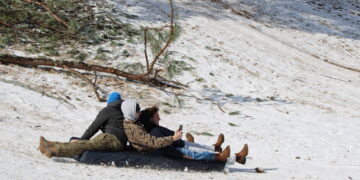
“My roommate, neighbor, girlfriend and her roommate and I all planned to go sledding the first day it snowed/iced. Going sledding was a beautiful time filled with laughter and joy,” Marin said. “Though it was a workout to climb back up the hill, I’d relive that day 100 times if possible.”
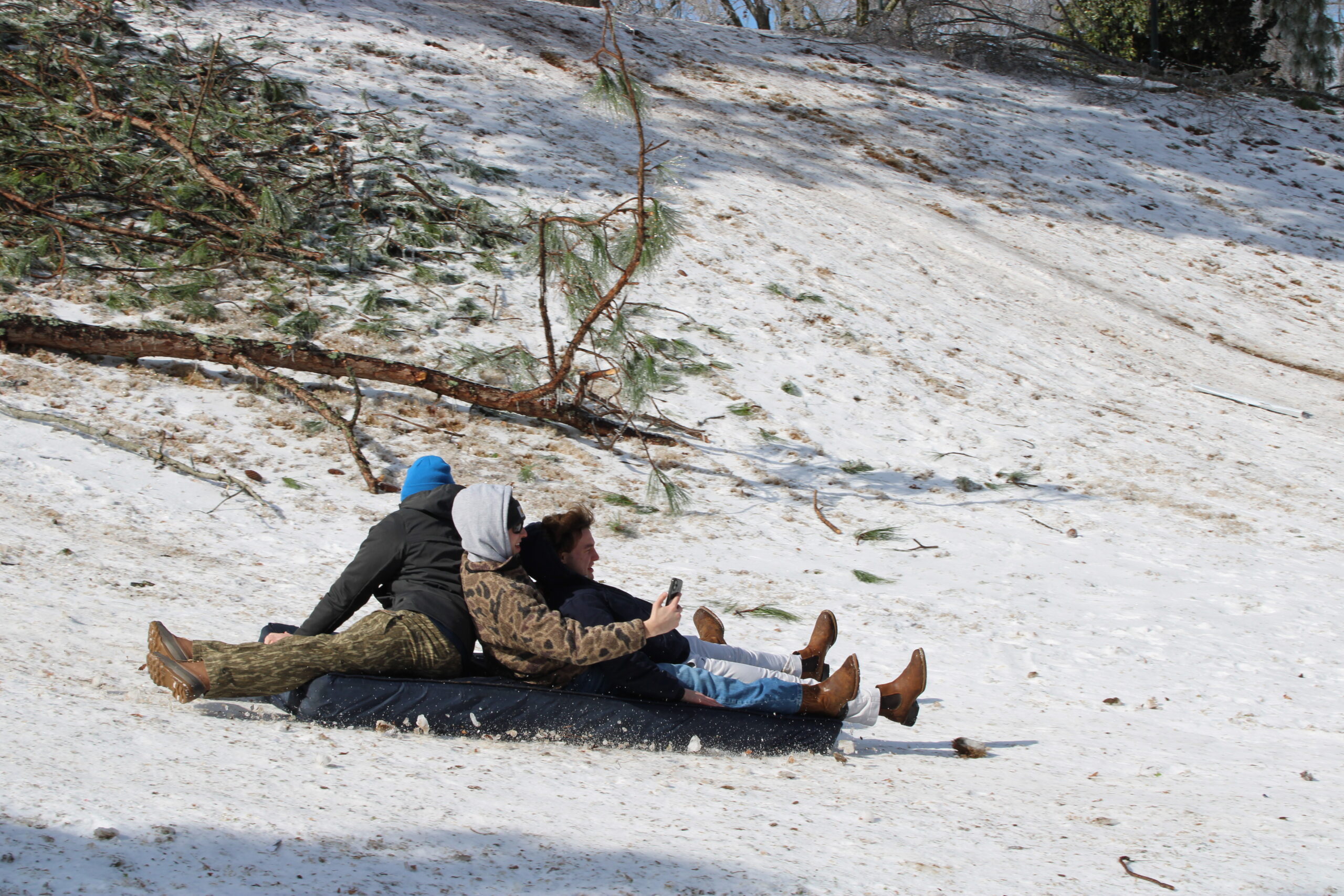
Sledding with friends distracted Marin from some negative effects of the storm.
“Staying active and sledding outside with friends gave a breath of fresh air and really lightened the bad scenes the storm brought,” Marin said.
Bryant, too, entertained herself by sledding. She and her friends also found other activities to keep themselves busy rather than hole up.
“I sledded down the hill near Rebel Drive. It was quite a rush,” Bryant said. “My friends and I raced in the hallways and played ding-dong ditch. We also walked all over campus to see how the landscape had been transformed.”
For Bryant, staying active became a way to manage the stress caused by the storm. Exploring campus and finding spontaneous ways to move helped shift her focus away from the disruptions and toward enjoying the moment.
“Staying active did help with the stress. It was a lot of fun to enjoy the ice instead of worrying about the issues it caused,” Bryant said.
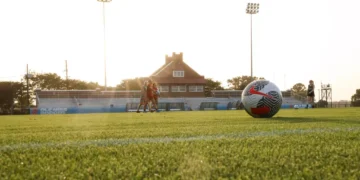
Josh Millman, a junior management information systems student and goalkeeper for the Ole Miss Hockey Club team, also faced challenges.
“My eating habits were affected because I had no power to cook. I also was not able to do any on- and off-ice training during this time because of (the absence of) power and a large tree that came down, blocking access to my street. I had to focus more on staying safe instead of hockey,” Millman said.
For student-athletes, the storm disrupted more than just class schedules. Winter Storm Fern shifted priorities away from athletics and fitness, pushing students to focus first on basic needs and safety before returning to their routines.
“To be honest, it was very tough staying active while stuck indoors,” Millman said. “What I was able to do was walk back and forth from my house to my friends’ … to check on the place.”
Millman returned home to Massachusetts days into the widespread power outage. Once home, he resumed his training regimen.
For Millman, finding ways to stay active was important. Physical activity shifted from structured workouts to small efforts to keep moving. Those moments of activity provided a sense of control and helped him manage the stress of extended power outages.
“Staying active definitely helped me with stress,” Millman said. “Throughout the storm, I was able to find ways to distract myself, like staying active and going on walks so I could keep my stress levels down. I wouldn’t be thinking about what could happen to my house or what did happen to my backyard. My main thought process was what can I do now. Thinking like that can reduce stress because it keeps your brain from wandering.”