











On the evening of Monday, Sept. 10, 2001, the average student at the University of Mississippi had one thing in mind: football.
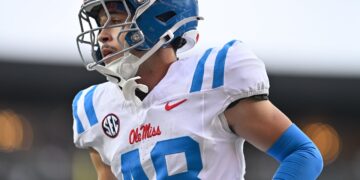
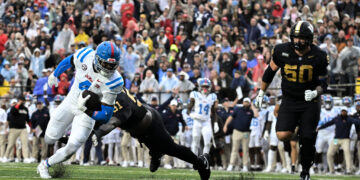
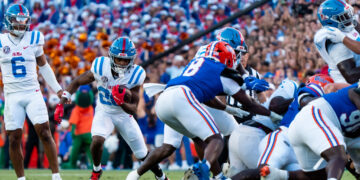
Following a tough loss to Auburn, the Rebels were gearing up for their upcoming game against Vanderbilt that Saturday.
By the next morning, talk of tailgating plans was replaced by fear and disbelief.
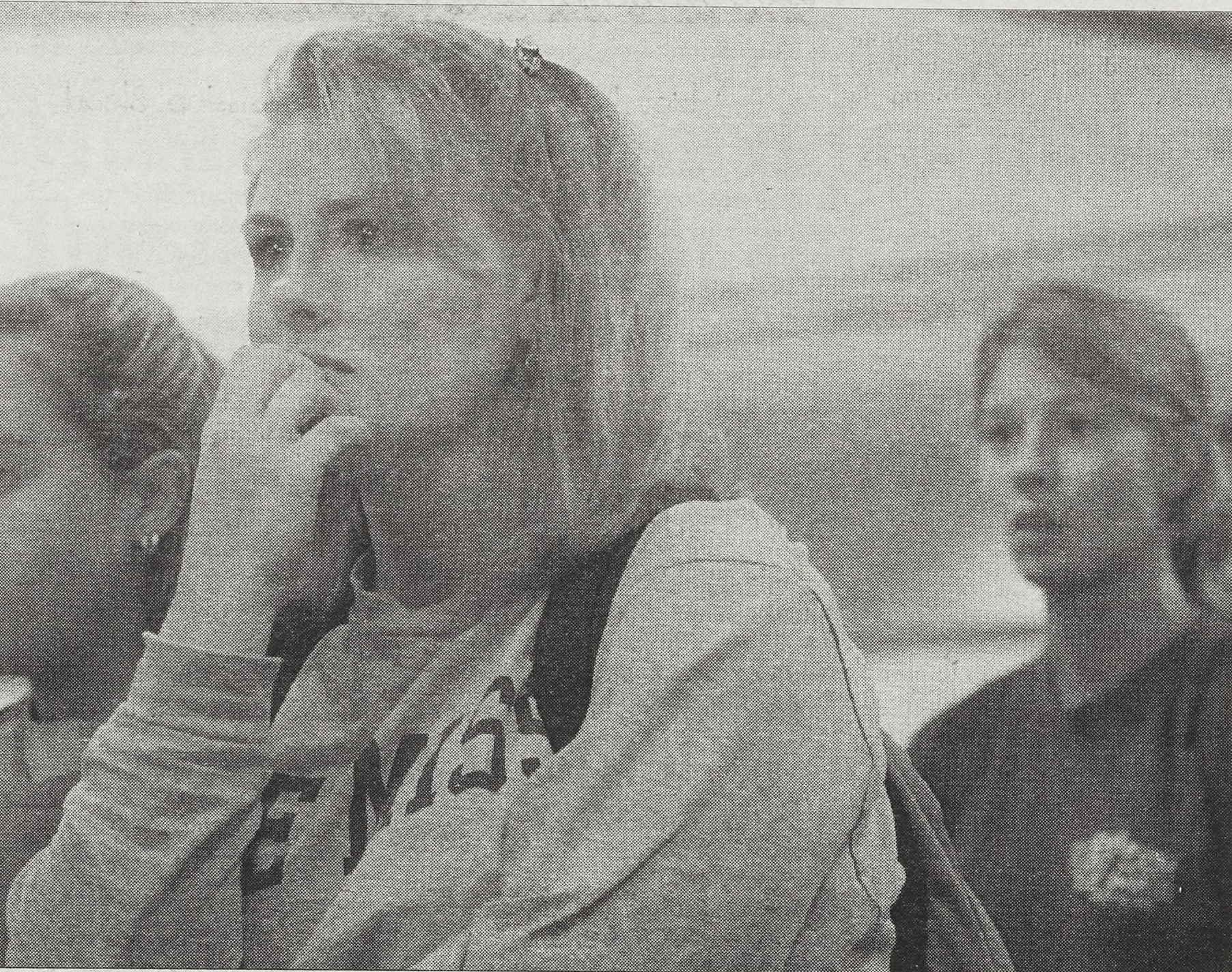
Televisions in the University of Mississippi’s student union broadcast news of the 9/11 attacks as students gathered in crowds, eager to see what was happening on the East Coast. Images of the World Trade Center, engulfed in flames and smoke, flashed across the screen. Fifty-one minutes later, American Airlines Flight 77 crashed into the Pentagon. A fourth plane crashed in Pennsylvania half an hour later.
For UM students, what started as a normal morning of classes became personal for some.
A then-columnist for The Daily Mississippian, Riley McDermid, had a cousin who worked in the World Trade Center. McDermid spent hours believing her cousin to be dead before receiving news that she had escaped.
For student Jordan Williams, the morning was spent thinking about his father, who had been travelling to New York City for business.
2001 Ole Miss graduate Eleanor Twitford could see the remains of the World Trade Center from the building where she lived in New York City.
Jeff Roberson, an archivist and historian at the university, was living in Oxford and working as an editor for Ole Miss Spirit at the time of the attacks. He remembers entering his living room on Sept. 11, 2001 and marveling at the tragic “accident” when he saw the first plane hit the North Tower of the World Trade Center.
When a second plane struck the South Tower, he realized it was no accident.
“At that point, I started calling people, and people started calling me,” Roberson said. “You knew it wasn’t probably an accident.”
Roberson said he watched the television all day at the Ole Miss Spirit office. He recalls the widespread panic that followed as long lines formed at gas stations and grocery stores.
“It was almost like getting ready for an ice storm or something you knew was coming,” Roberson said.
The attacks also postponed Ole Miss’ Sept. 15 football game against Vanderbilt. Before the cancellation, Roberson suggested to Chancellor Robert Khayat that Ole Miss’ marching band, the Pride of the South, should play “The Star-Spangled Banner,” and that the crowd should be invited to sing along.
“I thought it would be neat to have everybody kind of united in that way,” Roberson said.
The suggestion was a reflection of the role he believed athletics could play in bringing together the Oxford community during this period of uncertainty.
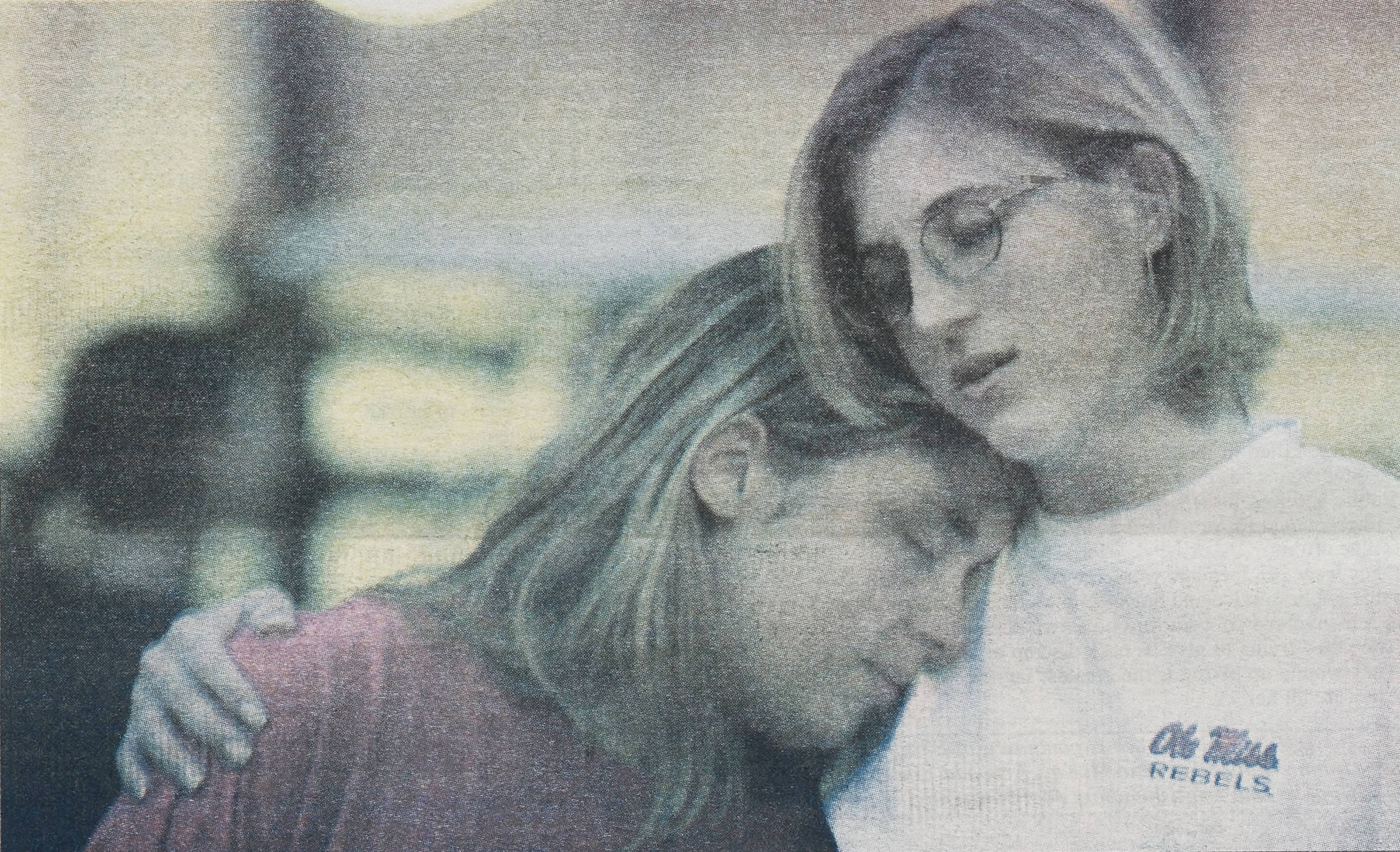
Not only did the tragedy cause widespread panic across the United States regarding national security, but it also sparked debate within the university community. University administration did not cancel any classes on Sept. 11 following the attacks. Chancellor Khayat reasoned that stability needed to be maintained on campus, according to The Daily Mississippian’s reporting on Sept. 12, 2001.
Many students disagreed. Journalism professor Ralph Braseth cancelled all of his classes. “It was a really personal day for me. I cancelled class because quite honestly I couldn’t really teach,” Braseth said in a Sept. 12 editorial titled “UM continues in tragic time.”
The Daily Mississippian editorial board took to the paper to criticize the university’s decision. In a Sept. 12, 2001 editorial titled “The issue is respect.”
“The administration’s refusal to cancel classes Tuesday showed a callous disregard for the crisis facing America,” the editorial board wrote.
In light of the tragedy, students responded in their own ways. Over 400 students gathered at the Union Plaza for a candlelight vigil, singing “Peace on Earth” and comforting one another.
Several student organizations arranged a blood drive inside of the student union. The next day, students and Oxford residents lined up to donate blood. The Oxford community did what it could to show up for fellow Americans who were affected by the terroristic attack.
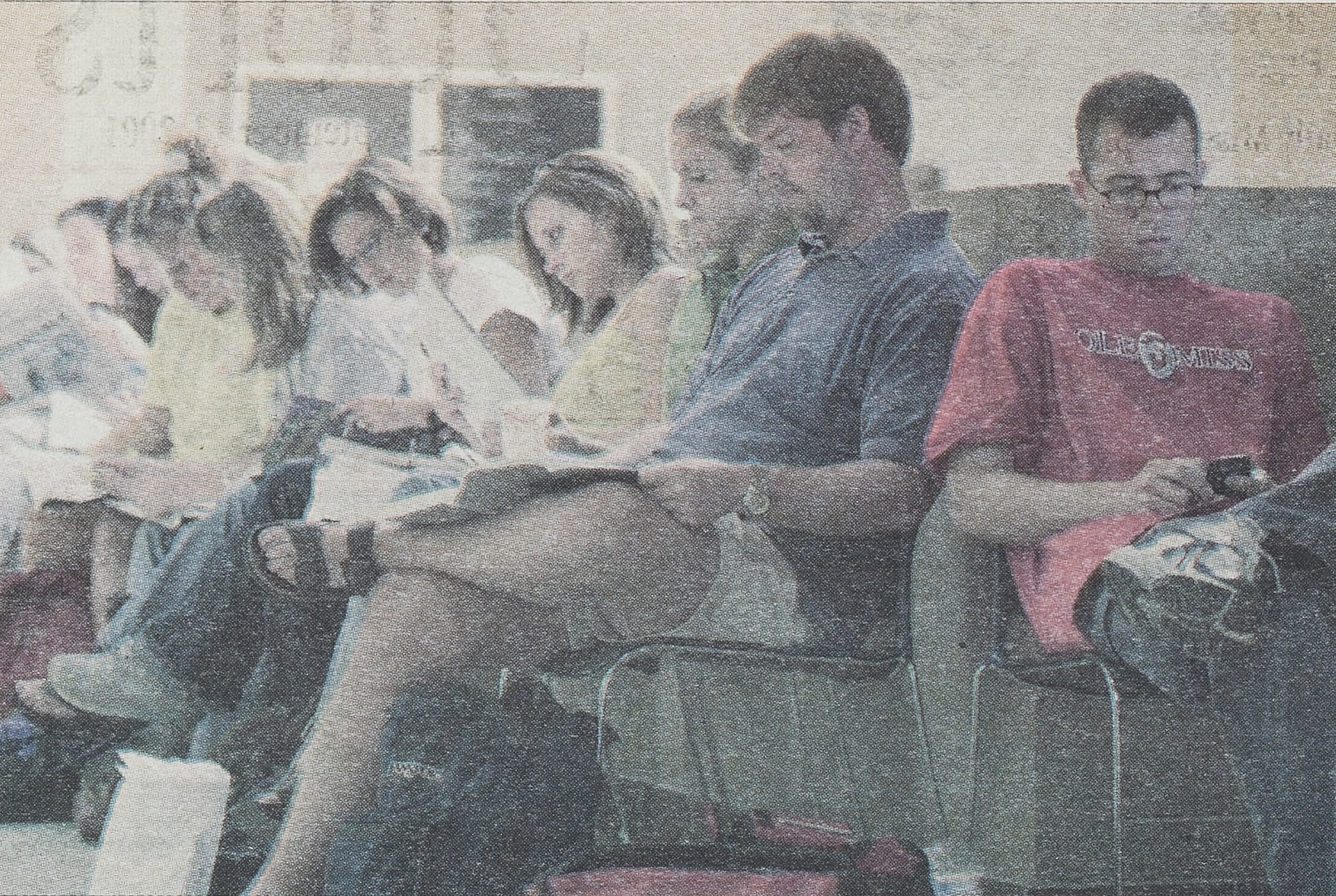
Clay Chandler, The Daily Mississippian’s sports editor in 2001, recapped the week in a column titled “From Monday to Tuesday, it all changed.”
Chandler said his thoughts were consumed on Monday, Sept. 10, by fantasy football, the Grove and the status of the Ole Miss’ football team. By Tuesday, his outlook on the world was permanently altered.
“I went to bed Monday night worried about Steve McNair’s injured shoulder,” Chandler wrote. “Tuesday, mamas, daddies, children, grandmothers, grandfathers, aunts, uncles, cousins, wives and husbands were lost forever.”
Today, 25 years later, most current undergraduate students attending the university were not alive to witness the events of Sept. 11, 2001, and have only heard stories from parents and teachers who lived through the attacks.
However, for those students who gathered around televisions in the student union, sang songs and donated blood, the memories of Sept. 11, 2001 live on.
This reporting relied on The Daily Mississippian’s reporting from Sept. 2001. View The Daily Mississippian’s archives here.