




















Growing up in the digital era has shaped the minds of Generation Z. Having family photo albums, carrying physical textbooks or even having to look someone up in a phone book is unfamiliar to many of us. We have documented our entire lives on social media, completed our assignments on computers and learned to trust the internet to have the answer to anything.
Looking for a family photo? Check the cloud. Researching for a project? The World Wide Web will have a plethora of sources at your fingertips.
But what happens if the internet is no longer accessible?
The belief that the internet is the answer to any question and that anything can be found with a simple search has given us a false sense of permanence. We have become so accustomed to information being instantly available that it is easy to forget that access to information digitally can disappear just as easily. We must stop relying on the internet for everything we do.
According to the Pew Research Center, a quarter of webpages existing between 2013 and 2023 no longer exist.
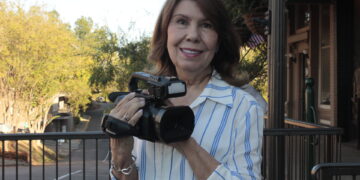
Kathleen Maguire, a historian and lecturer in the University of Mississippi Department of History, said digital information is more temporary than people often realize.
“We like to think of digital as permanent because we certainly see the ways that it continues to pop up in our lives,” Maguire said. “But it’s funny how impermanent it actually is.”
The idea that everything is accessible online is not true. Most of history is not accessible in a digital archive. Many physical documents have not been digitized, and even digital archives can have access restrictions or cost money to access.
The Internet Archive, the world’s largest digital library, was blocked by The New York Times from digitally archiving its newspaper, with other newspapers following suit. For decades, this was a credible source for journalists to access articles as they were originally published.
Even notable TV shows, movies and books have been digitally altered by publishers and streaming networks to remove content later deemed “controversial.” The New York Times reported that works by authors such as Roald Dahl and R.L. Stine were edited to remove “potentially offensive material.”
The internet is not the all-encompassing historical archive we sometimes treat it as. Countless documents, photographs, newspapers and other records still exist only in physical form. Even when something has been digitized, that does not mean everyone can access it or view it as it was originally published.
To understand past major world events, we have looked back at diaries, newspapers and written firsthand accounts of events. Today, people use social media to express their thoughts on some of the biggest things happening in the world, pop culture and politics. This makes it easier to lose firsthand experiences of these world events and the experiences that define our generation. How could we possibly be remembered without a record of these moments in history?
There is no guarantee that these records will be around forever.
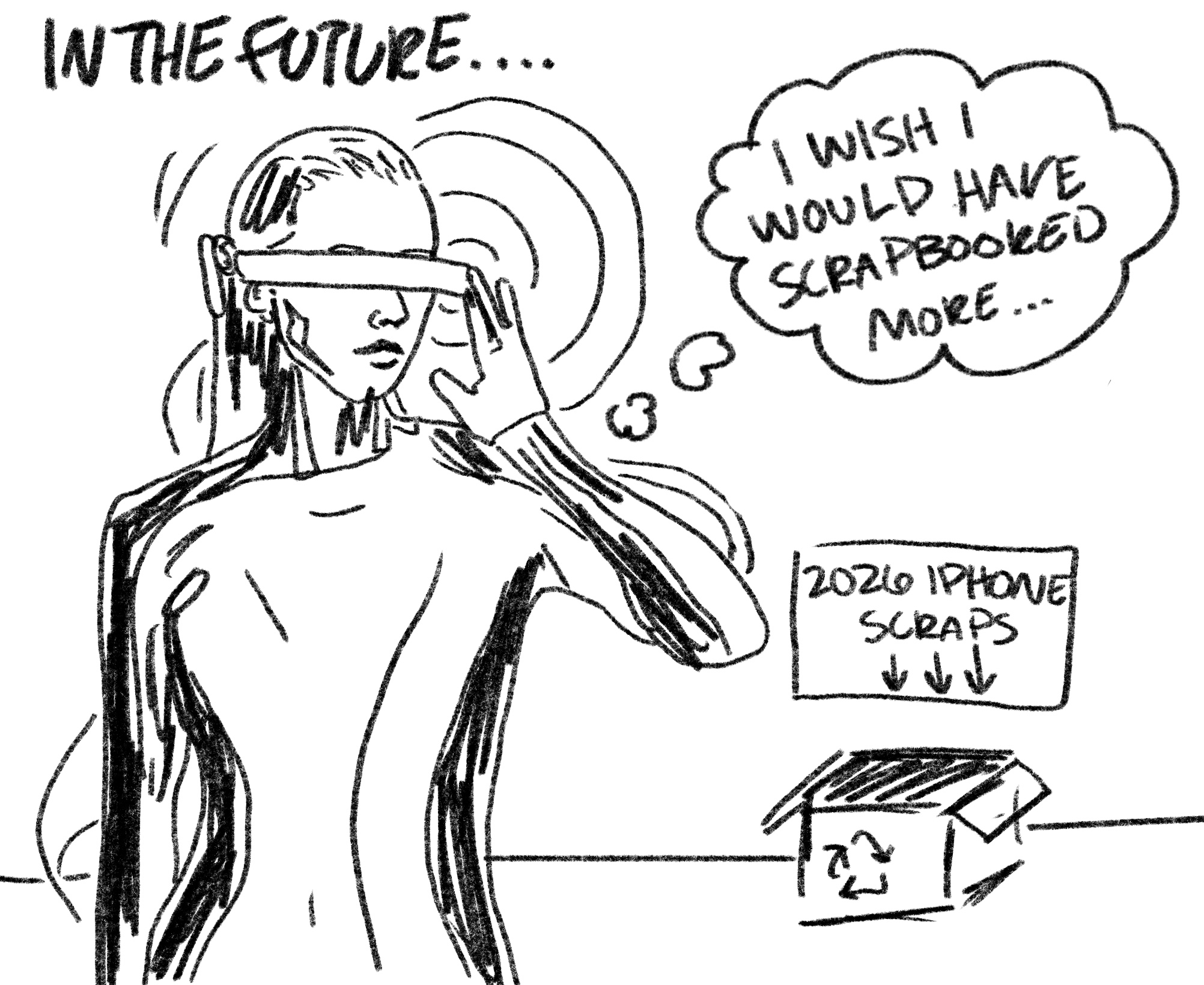
Maguire looks to the Library of Congress as an example, which once made it a mission to preserve every tweet on the app Twitter. The library quickly realized that preserving everything was not feasible because of the number of tweets posted to the app daily. In 2018, it had to switch to a selection of tweets to preserve.
This raises the issue that not everything our generation creates will be preserved, meaning someone will have to decide what is important enough to save.
Maguire stresses that future historians will want to know what the “average person” thought about the world around them. The experiences of everyday people are what humanize history, so it is important to preserve the personal stories alongside the major events of our generation.
This is why physical archives still matter.
The answer is not to abandon digital archives, as they have allowed historical information to be more accessible for public viewing. We should strive to preserve and create more physical media.
Physical newspapers, photographs, letters, records and other forms of physical media provide another way for future generations to understand us.
Our generation has more of everyday life documented than any generation before us, but documentation does not mean preservation.
The internet may be where our generation lives, but physical records may be what allows future generations to remember us.
Lauren James is a junior integrated marketing communications major from Hernando, Miss.