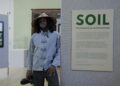


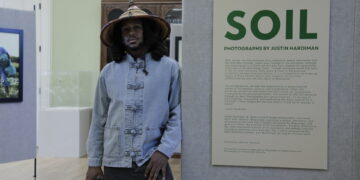















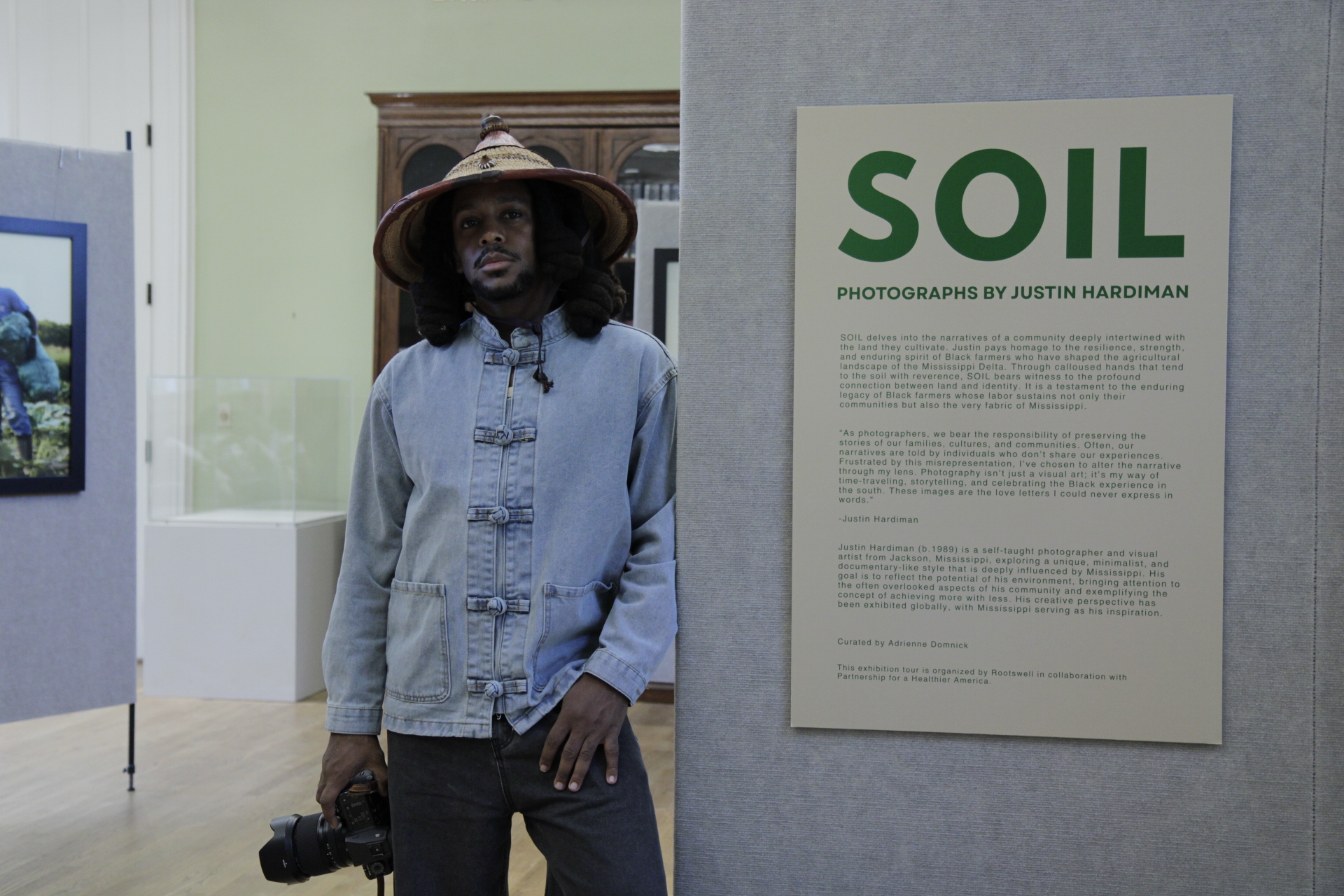
The University of Mississippi’s Center for the Study of Southern Culture hosted a heartfelt closing reception for Justin Hardiman’s SOIL photography exhibition, which honored Southern agriculture and generational Black farmers. The collection was curated by Adrienne Domnick, a Mississippi artist and co-founder of the “AND Gallery” in Jackson, Miss.
Held in Barnard Observatory’s Gammill Gallery on Oct. 8, the event explored Hardiman’s minimalist documentary-style work alongside a “SouthTalk” discussion panel with rice farmer Christi Bland-Miller, Annie and Annette Hollowell of Foxfire Ranch and moderator Jermeria Skillom. Skillom serves as the Mississippi Delta program coordinator for Partnership for a Healthier America (PHA).
The PHA partnered with SOIL to promote its shared mission to change the misconceptions and narratives of the Mississippi Delta, applying visual storytelling of communities intertwined with the land they cultivate. Skillom kicked off the panel by establishing the PHA’s struggle to reveal Mississippi’s cultural growth.
“Mississippi is looked at as a horrible place to live, no place to thrive, no hope — but we know that’s not true,” Skillom said. “With works like SOIL, we’re able to take the narrative of farmers, especially Black farmers, who were traditionally looked at as disadvantaged, exploited, taken advantage of and showing them (in) a different light, to see them with honor, pride and joy.”
For Skillom, SOIL offers a visual representation of the resilience and pride that continue to shape Black agricultural communities. The exhibition challenges narratives that rely only on hardship by documenting the relationships, traditions and accomplishments that sustain these communities.
“By creating resilience over hardship, the exhibit reframes Southern land ownership from a narrative of historic loss to one of asking liberation, equity and intergenerational power,” Skillom said.
Bland-Miller, a fourth-generation farmer from Tunica County, Miss., illustrated how those principles translate into agricultural practice. She established her own farming corporation, CMB Farm LLC, in 2017, and was named one of America’s Best Young Farmers in 2021. She also became the first African American woman selected to participate in the USA Rice Leadership Development Program.
Bland-Miller explained that investing in land under a longer-term lease can benefit both her farming operation and the landowners. Improvements can increase the property’s value and help families preserve or build generational wealth, even when they cannot cultivate all their own land.
“We can’t own it all. We can’t farm it all. But we try to be good stewards of the land God has given us,” Bland-Miller said. “We can create generational wealth for other families.”
Her perspective also challenged conventional expectations about professional success. Growing up, Bland-Miller said she did not necessarily envision farming as a career because academic achievement often led people to encourage professions like medicine instead.
Over time, however, working the land became a source of purpose and fulfillment.
“It’s a piece that you just can’t even understand, to be your own boss, to be able to do things that your ancestors fought for the right to do, and you get to do it willingly,” Bland-Miller said. “You just feel healed and whole when you’re doing it.”
Bland-Miller acknowledged the economic and structural challenges farmers face, but she encouraged people to recognize the joy, cultural connection and generational significance of agriculture alongside those difficulties.
“The narrative you tell matters, and we have the ability to change the narrative,” Bland-Miller said. “I think that’s … how we change how people see Mississippi.”
Annie and Annette Hollowell brought other aspects to the conversation through their family’s history FoxFire Ranch, an 80 acre property in Waterford, Miss. The mother and daughter represent a family legacy of nearly 200 years of farm ownership.
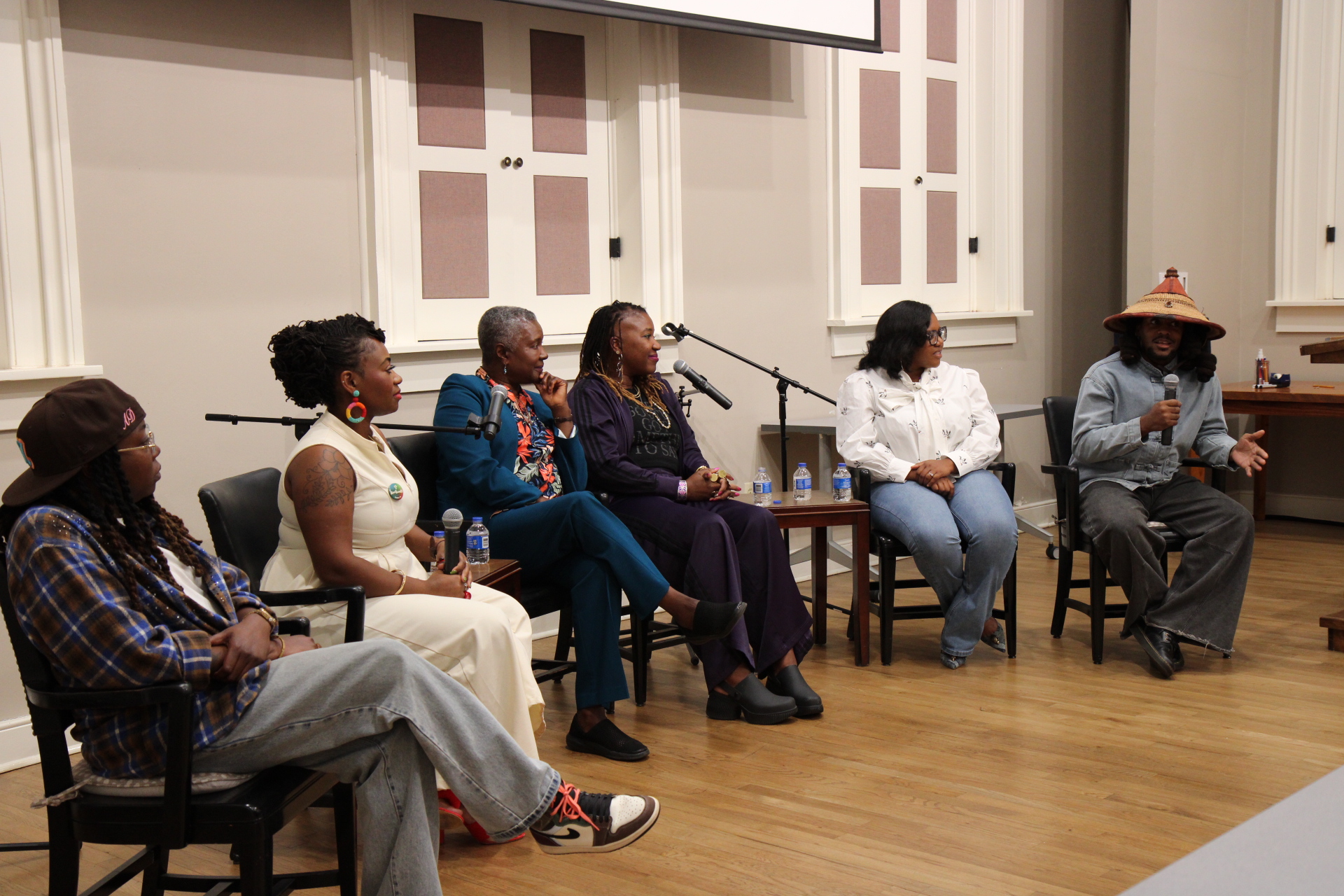
Annie Hollowell, the daughter of sharecroppers and a retired University of Mississippi employee, and Annette Hollowell, an entrepreneur and lawyer, continue to use the property as a safe gathering space for community, learning and cultural preservation.
FoxFire Ranch supports other Black land stewards and celebrates the histories intertwined in Southern landscapes. For the Hollowells, preserving the land means protecting family histories, creating opportunities for connection and helping future generations understand and appreciate their ancestors.
Annie Hollowell described the ranch as a place where visitors find comfort, inspiration and a sense of peace.
“When people come out to FoxFire Ranch who have never been there before, they seem to think there’s magic,” Annie Hollowell said.
Visitors often describe the property as a place where they can think, write and pursue meaningful work, Annie Hollowell explained. She also emphasized the importance of recognizing the labor involved in producing food and ensuring that farmers receive fair compensation.
“We have to concentrate on sharing our knowledge about the growth of the farmers, the importance of farmers, the necessity of farmers, and they need every penny they can get,” Annie Hollowell said. “Every penny they can get.”
Annette Hollowell commented on the significance of informing more people about successful Black establishments.
“I think it’s essential that people know we exist, that we tell these stories,” Annette Hollowell said. “There’s a lot of Black joy, a lot of Black thriving. There’s Black land, and we have these strong legacies that are still intact here.”
Hardiman is a self-taught photographer from Jackson, Miss. Staying connected to his roots, his photographs reflect the potential of his environment, bringing attention to the often overlooked aspects of his community. While technical and artistic aspects of photography are kept in mind, Hardiman believes the story of his subjects are valued most.
“Photography is my love language,” Hardiman said. “They say a thousand words, but I think it’s the relationships that I make with those people. It’s the only way I can show my love, to photograph them in a way that I see.”
Hardiman reinforces his beliefs that the spiritual quality of his photographs comes from the passion people bring to their work and the places they call home.
“I think the land is spiritual, but I think also the people have a lot to do with spirituality,” Hardiman said.
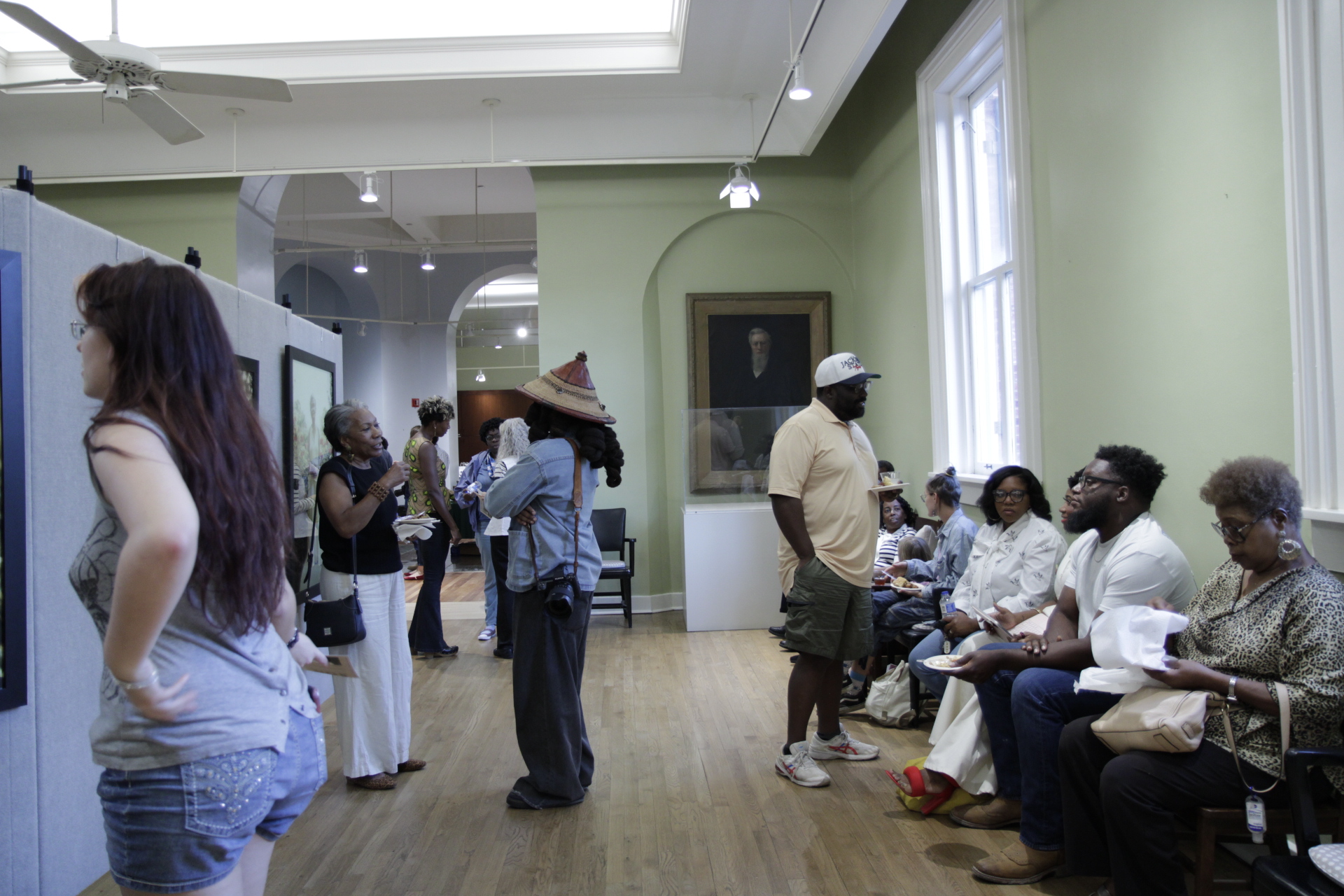
Domnick, the exhibition’s curator, artist and designer, shares Hardiman’s commitment to preserving the voices and histories that shape Southern culture. Her work focuses on creating spaces for storytellers and honoring the resilience and creativity of communities through art.
When photographing the Young Family Farm in Clarksdale, Miss., for the exhibit, Domnick recalls the supportive responses from the locals.
“The people of Clarksdale, (Miss.), not just the farmers, really showed up, just rallying behind what we were doing,” Domnick said. “They really thanked us for showing the farmers in that light. I think that (Hardiman) just has a way of showing the joy in Mississippi.”
Hardiman emphasized the importance of continuing conversations about Black farmers and Southern land ownership.
“I’m just super grateful to be here and be able to share my perspective with SOIL,” Hardiman said.
SOIL served as a love letter to the Black farmers of the Mississippi Delta, capturing the relationships between identity, dignity and the land. Through photography the personal connections of the panel of hard-working farmers, the exhibition highlights the histories remembered, the communities that continue to thrive and the possibilities created when land and cultural knowledge are preserved across generations.
Skillom closed the discussion by encouraging attendees to carry the exhibition’s message beyond the gallery and into their own communities.
“We hope that you leave here inspired to be more, see more or support more,” Skillom said.