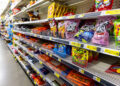
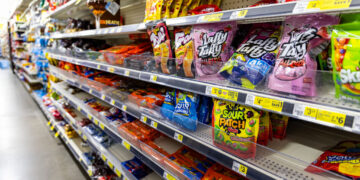


























As Halloween approaches, rising candy prices are prompting shoppers to reconsider how much they spend on one of the holiday’s most familiar traditions: handing out candy to trick-or-treaters.
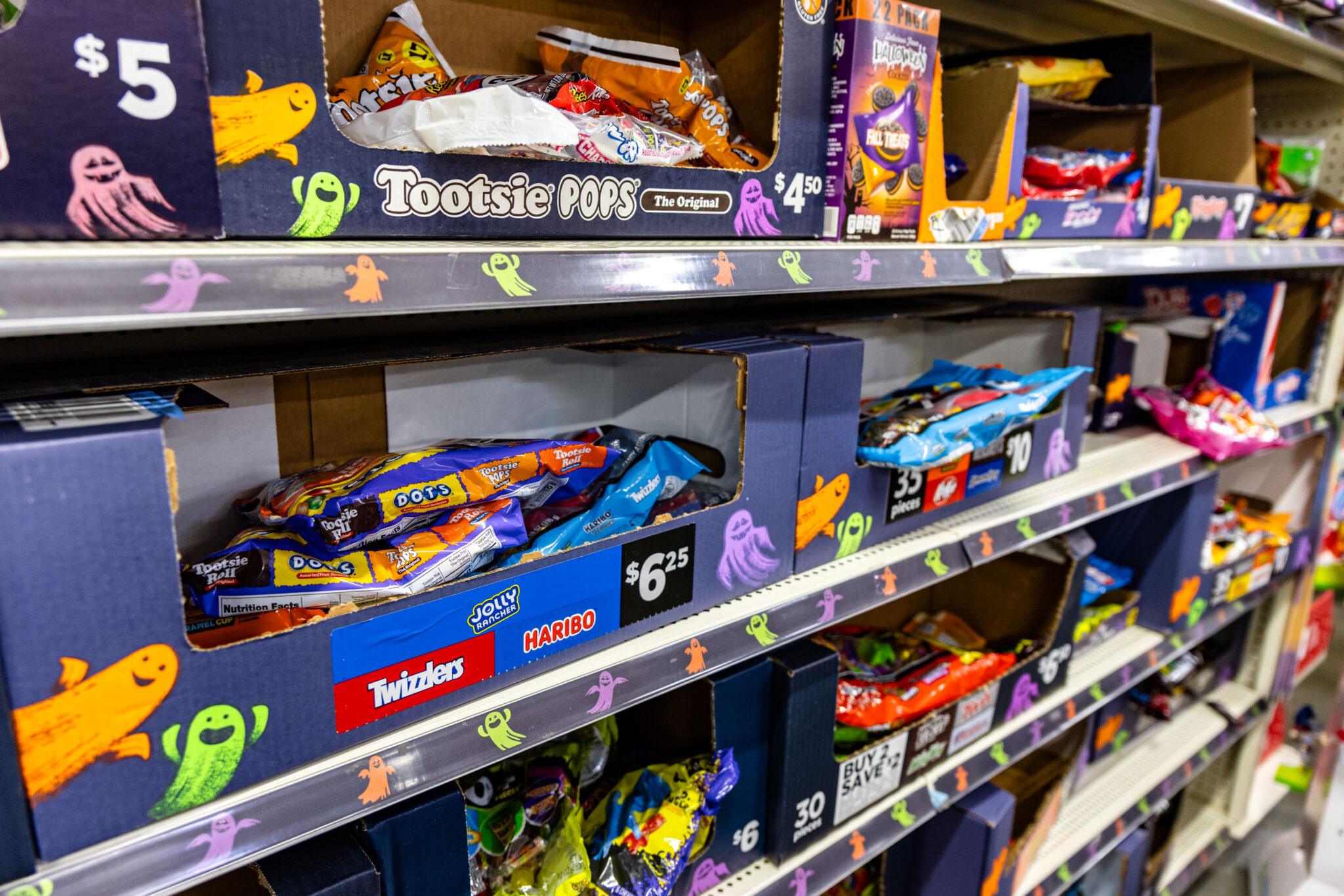
Candy costs have risen at more than twice the rate of general U.S. inflation over the past year. Candy and chewing gum prices increased 7.7% between September 2025 and September 2026, according to the U.S. Bureau of Labor Statistics. Overall inflation in the U.S. is up 3.7% over the same annual period.
For shoppers buying candy in bulk, higher prices can make it difficult to maintain Halloween traditions without spending more money than last year.
Amanda Cassidy, an Oxford resident, said she has noticed candy prices increasing over the past two years.
“I feel like last year, (the prices) really went up, and then this year, they continued to go up,” Cassidy said.
She wants to avoid disappointing children on Halloween but finds the cost of purchasing larger bags of candy increasingly frustrating.
“With a bag of candy being … $20 for (approximately) 60 pieces, it kind of gets a little crazy,” Cassidy said.
The price increases go beyond individual shopping experiences. According to the U.S. Department of Agriculture’s Economic Research Service (2026), prices for sugar and sweets were 5.5% higher in September 2026 than in September 2025. Candy and chewing gum accounted for much of that increase.
For some University of Mississippi students, higher candy prices affect how many treats they purchase or distribute.
Zoe Jankowski, a sophomore criminal justice major from Westhampton Beach, N.Y., suggested that rising costs could affect the amount of candy students and locals will give out.
“It makes me worried that not as many houses will have a lot of candy,” Jankowski said. “It’s just unfortunate that prices have become so high.”
Ava Pearl Myskowski, a junior business analytics and information systems major from Chicago, believes Halloween candy should be inexpensive because many households often purchase large amounts. She also expressed concern that higher prices could discourage people from buying as much candy as they normally would.
“I think this inflation will cause a major decrease in the amount of candy that is being bought,” Myskowski said. “I think instead of houses handing out two pieces of candy, many of them will be very conscientious and only hand out one.”
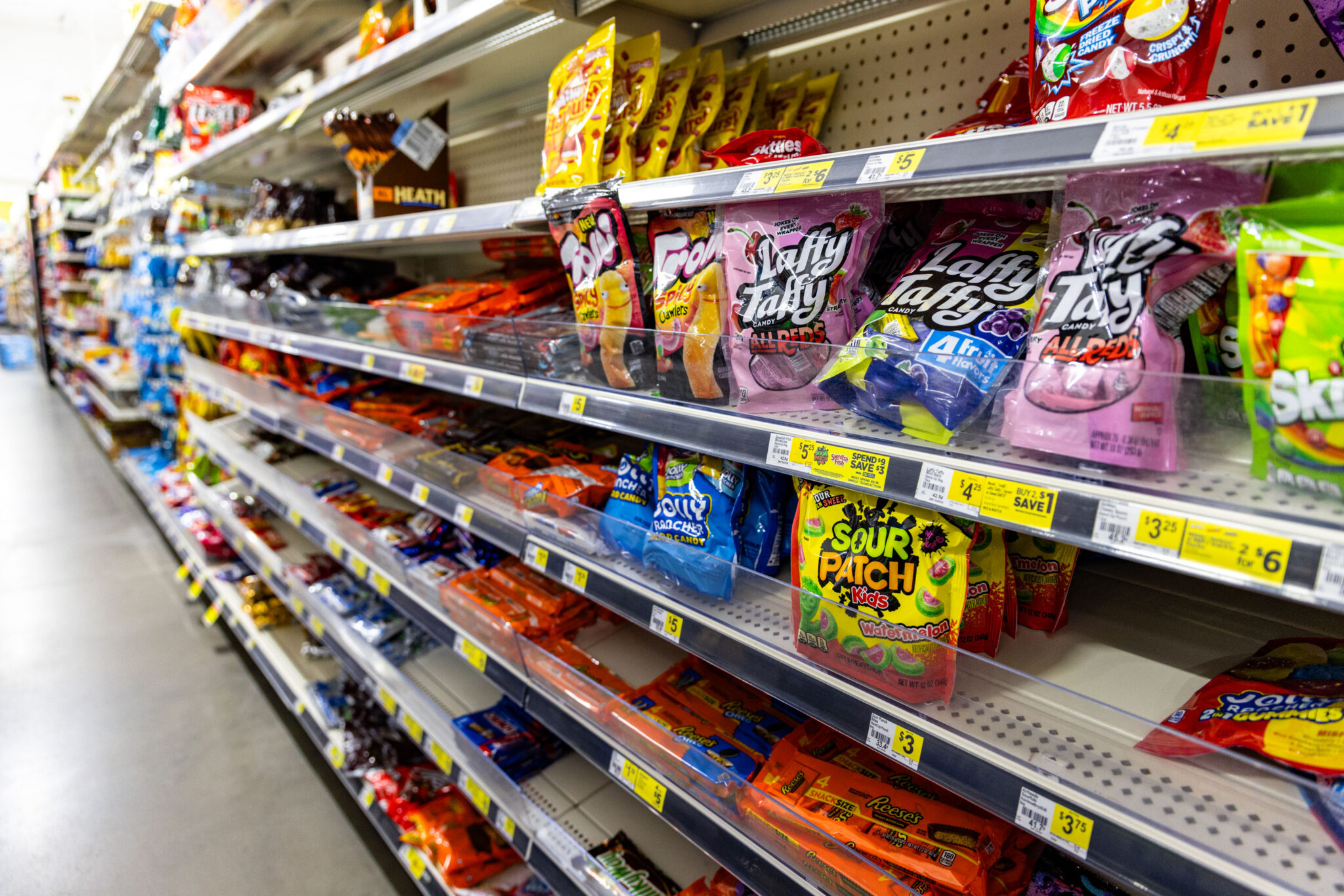
Although the price of candy has increased, consumers are still expected to spend billions of dollars on Halloween treats this year. The National Retail Federation (NRF) projects that Americans will spend $4.1 billion on Halloween candy in 2026, with 96% of shoppers surveyed planning to purchase sweets.
Total Halloween spending is expected to reach $13.5 billion in 2026, up from $13.1 billion in 2025, according to the NRF. The organization’s survey, conducted from Sept. 1 to Sept. 9 across nearly 8,000 consumers, also found that shoppers are looking for ways to manage holiday expenses.
While national projections show that Halloween remains a significant shopping occasion, shoppers’ choices may depend on how much they are willing to spend, whether or not they can find discounts and how many trick-or-treaters they expect to visit. The goal remains the same despite the higher prices: participating in Halloween traditions without letting the cost get out of hand.