





















This past weekend, nearly 100 demonstrators showed out at the No Kings: Vote Early/Vote Absentee visibility event in Lafayette County, donning signs, hats and T-shirts in support of a cause they believed in.
Many choose to demean those who participate in protests, proclaiming these events are pointless and do not matter to people in power. However, this could not be further from the truth. Subscribing to such an idea is downright ignorant to the role that activism has historically played on college campuses, particularly at the University of Mississippi.
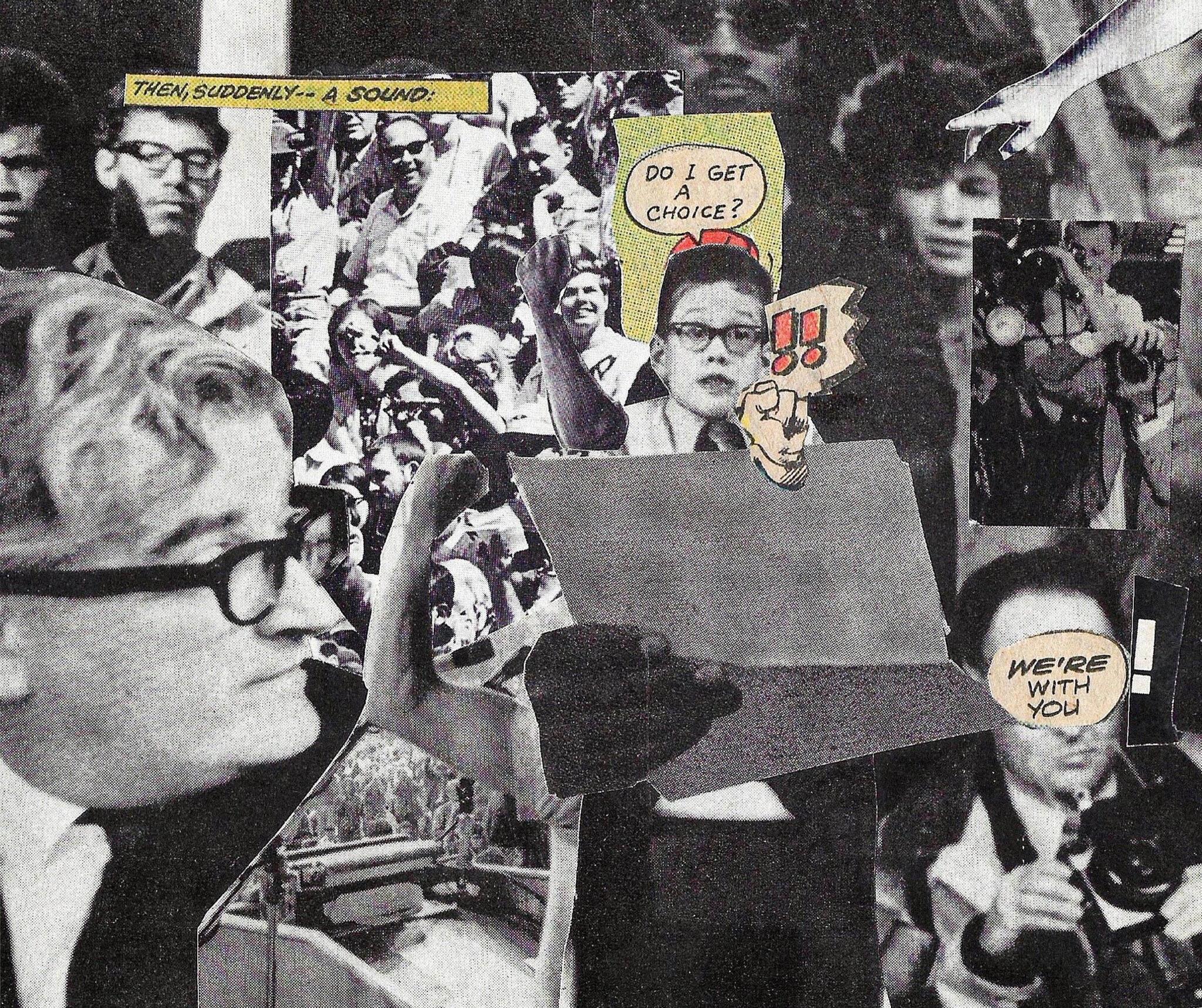
James Meredith was the first Black student to be integrated onto the university’s campus in 1962. Just eight years later, 89 Black students were arrested on campus — eight of them expelled — for participating in nonviolent protests outside Fulton Chapel. These students, several of whom were members of the Black Student Union, used the platform of a campus concert as an opportunity to make their voices heard about the unfair treatment they faced as Black students at the university.
As part of the protest, the group presented the chancellor with a list of 27 demands for racial equity on campus. The demands ranged from barring the use of the Confederate flag on campus to hiring more Black employees in different departments of the university.
One of their requests, pushing for the creation of an African American studies program at the university, was fulfilled the following semester, and their desire for the university to bring on more Black faculty came to fruition when the first Black faculty member, Dr. Jeanette Jennings, was hired as an assistant professor of social work that same year.
Those students protesting for a better university in 1970 directly made a positive impact on the acceptance of Black students and faculty on campus. Their organizing and protesting made a difference, bringing about a new academic program and new employment opportunities for Black educators that otherwise may not have arisen for several more years.
This goes to show that protesting and standing up for what you believe is right can make a difference. It is meaningful. It is important. Sometimes, it is even necessary.
It is imperative that more University of Mississippi students stand up for their beliefs, regardless of what they might be. If you think something happening around you is wrong, do something about it. It does not matter whether the issue seems big or small to others; what is important is that it means something to you.
Do some research, talk to those in positions of power, gather with other students who feel the same way and raise your voices together. Be bold and unafraid like those who advocated for equity here on campus in 1970. We cannot let injustice go on forever, and if we have the courage to be loud, we can make a change to better life for ourselves and the generations to come.
MacKenzie McDaries is a junior sociology and Arabic major from Murfreesboro, Tenn.