































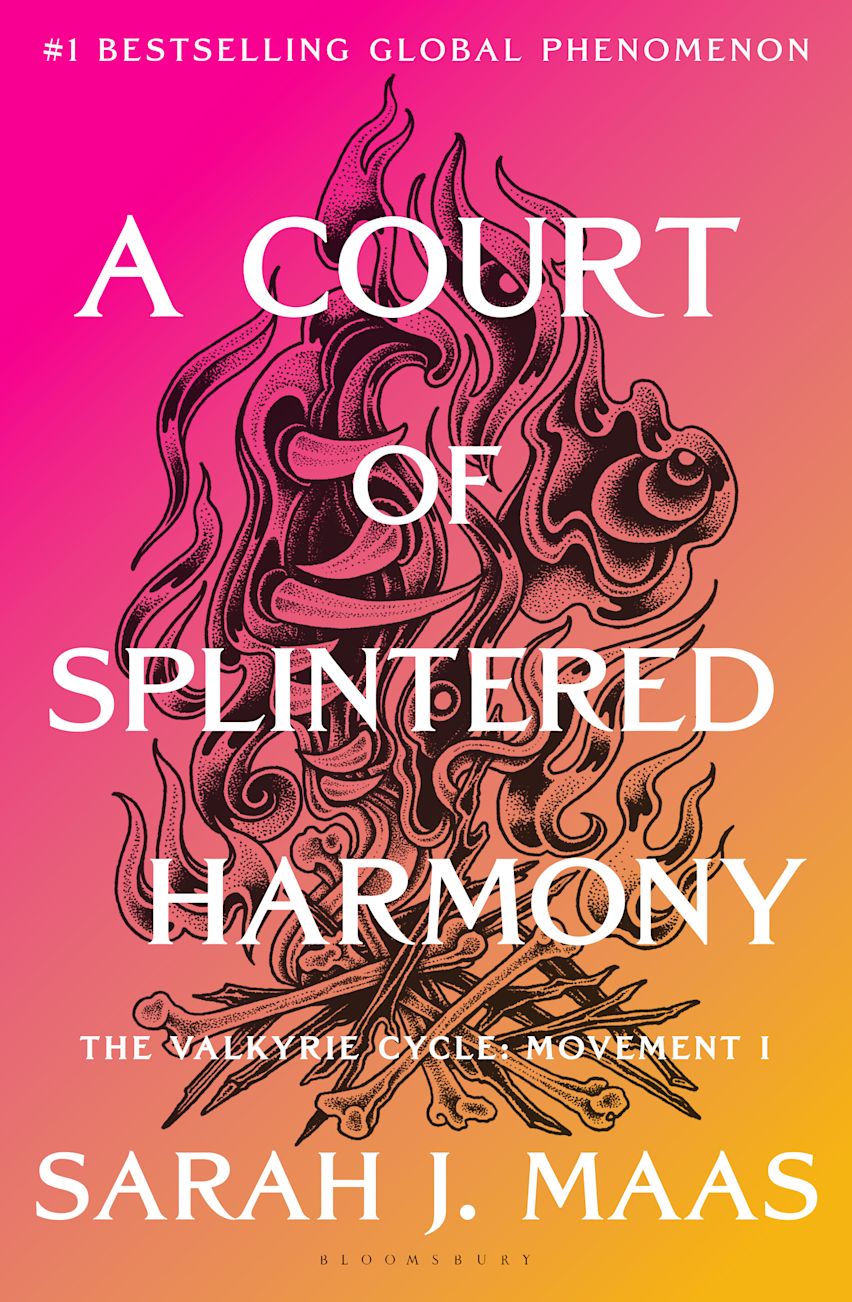
Sarah J. Maas’ latest release “A Court of Splintered Harmony” is the newest addition to the epic fantasy saga “A Court of Thorns and Roses.” The book continues to create magical scenery, intricate plot points and complex, yet heartwarming, character dynamics that have enchanted fans across the globe. However, it falls short in delivering a narrative to readers that feels complete and thoroughly developed.
“A Court of Splintered Harmony” follows the members of the Inner Circle, the rulers and warriors who protect the Night Court, and their dangerous adventures in their home city of Velaris. The Inner Circle gathers once again to stop a war in their territory.
In this book, these characters are more layered than they were in previous installments in the series. The book features multiple points of view that help audiences understand the characters’ motivations, hopes, traumas and fears.

In this book, the story has switched focus from Feyre and Rhysand — although they are still central parts of the plot — to Azriel and his ever-present misery. The spymaster of the Night Court goes through a journey of self-loathing, which leads him to bad decision-making, but just as the reader thinks he might be given a redemption arc, the novel ends.
Maas has openly said that this is the first installment of a new trilogy branching from the “A Court of Thorns and Roses” series. However, since this novel is short enough that it could be a novella, it is impossible to deny that the release feels like a money grab.
The book, albeit entertaining and engaging, lacks the plot, substance and depth a fantasy novel requires. The story does not possess a distinct plot with a clear beginning, middle and end, but instead feels like a 300-page prologue. Although this book is part of a bigger story, these words should have taken the reader through a journey that feels somewhat complete. Instead, the book poses even more questions and does not answer any.
The plot, however, is still entertaining. Readers get a bigger glimpse into the characters’ minds here; Maas offers a look at the characters’ daily lives, making readers feel as if they are integral members of the Night Court. There are also many passages referring to Bryce Quinlan, the main character of another of Maas’ series, “Crescent City.” Bryce’s actions in the last “Crescent City” installment have impacted life in Velaris greatly, and this character crossover concept is exciting to most fans.
As Rhys and Feyre attempt to make allies for the impending war, readers witness their relationship mature from what it was in the first couple books. The couple becoming parents to the little Nyx is lovely to witness, as is their growth into their roles of High Lord and Lady of the Night Court. Nesta and Cassian’s newfound relationship also faces new challenges, but both manage to push their pride aside and (finally) work on their communication skills.
At its conclusion, the book is over before it properly develops many of the plot points and character arcs that were introduced. However, the tension and conflict, heightened in the last pages, create excitement for the next novel, which was likely the goal for Maas.
For the many fans of the saga, it is safe to say this book will be engaging if they enjoy character-driven narratives, but less so if they expected a great fantasy-focused narrative.