

























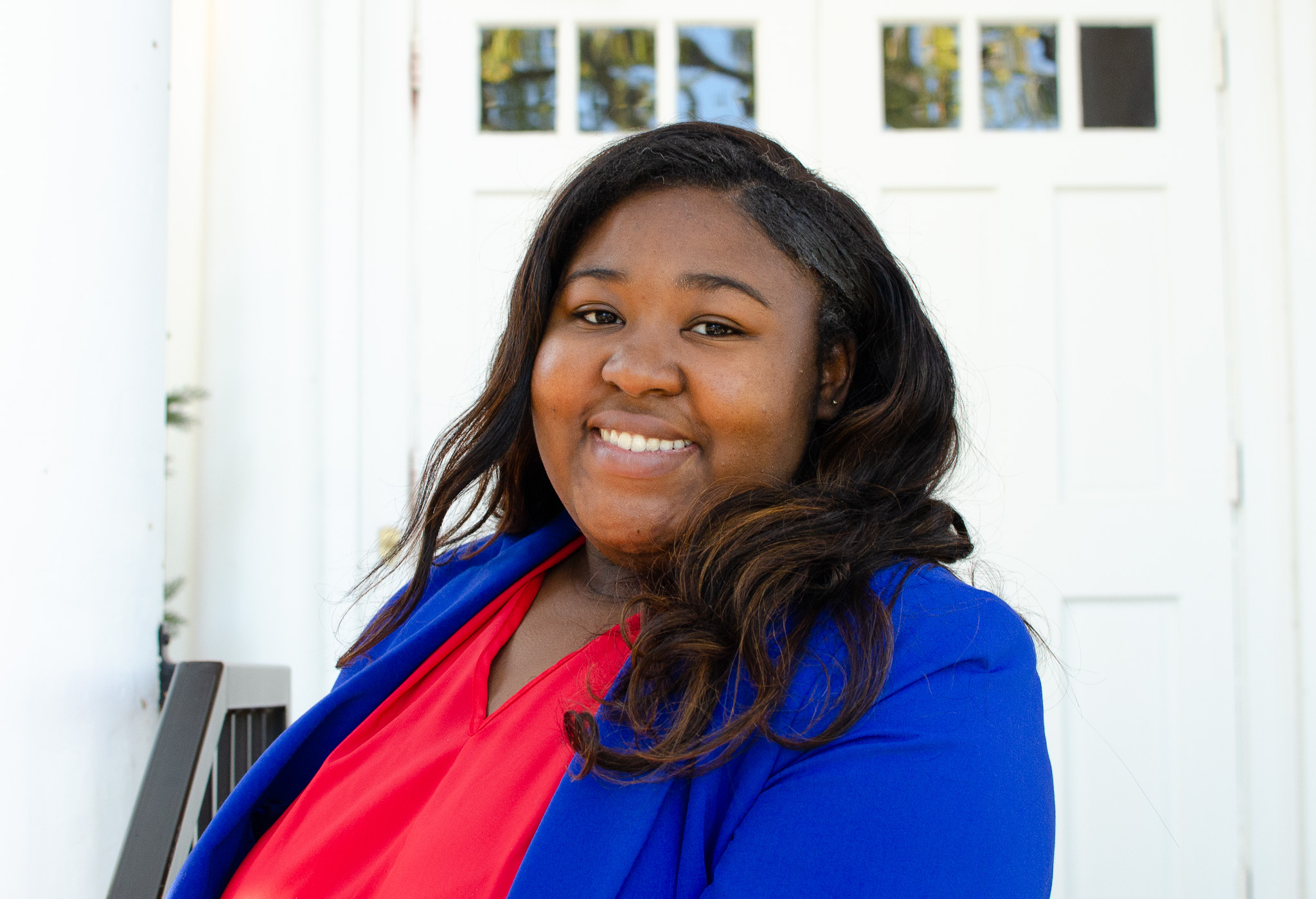
Candace Bolden is a lot like other PhD students at the University of Mississippi; she has to balance teaching public health classes as a graduate instructor with studying for her own classes. Where Bolden differs from many others is that she is also a mother to a 20-month-old toddler.
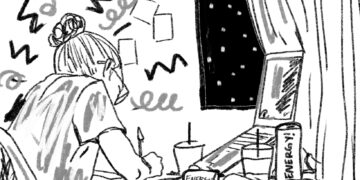
“It’s kind of like when you’re doing your coursework, you have to sit out and plan everything out in order to make sure that you hit your deadlines, or you hit your personal deadlines,” Bolden said. “So as a PhD student, specifically in nutritional sciences and also teaching classes, I have to map pretty much every part of my day out.”
Lynn Wilkins, the student and caregiver program manager at UM, estimates that approximately 9% of undergraduate students and 28% of graduate students at UM are student parents based on national estimates from the Student Parent Action through Research Knowledge (SPARK) Collaborative. That would equal roughly 1,900 undergraduate students and 650 graduate students.
“It’s not just a few,” Wilkins said. “It’s not just people coming back to school; it’s people in every kind of academic journey, you can find some parenting students.”
For Bolden, her day begins earlier than most students.
“I currently split (child care for) my son with my parents, so (at the) beginning of the week, I get up and feed him and take him to my parents, and then I start my day at school,” Bolden said. “And then at the end of the week, he goes to day care, so we just get up, eat breakfast and go off, and I kind of have to start my day a little bit earlier than I did before I had a son.”
Bolden said certain challenges come with the student-parent experience, including finding time and spaces to breastfeed. There are 16 lactation spaces on campus, ranging in locations from the Lyceum to the School of Pharmacy.
“It is difficult to study sometimes when you have a small child running around,” Bolden said. “When I first had him, in terms of studying and being on campus, it was hard because I was a pumping mom, so I had to find different spaces to breastfeed or also pump.”
Wilkins formally stepped into her caregiver program manager role over the summer after working with student parents in her former role in work life resources under the university’s department of human resources. She hopes to increase the resources available to student parents.
“We’re always trying to build,” Wilkins said. “We did a survey in the spring to try and understand student parents’ needs more clearly, and so we’re just going to be trying to respond to those more and more, providing the support that student parents need to persist and to graduate.”
Another resource on campus is the Student Parent Association, which hosts various events and programming. Wilkins said these events can create a sense of belonging for student parents.
“Student parenting can be kind of an isolating experience, so that connection to others on campus is really important,” Wilkins said.
Bolden said the resources for student parents have been very helpful.
“I still taught pregnant and then also taught right after having him,” Bolden said. “So it made things more difficult, but I found really good support at the university in order to help me be more successful.”
Bolden’s journey may not be the most traditional, but it is reflective of the realities for student parents.
“I never imagined that I would have my first child as a student,” Bolden said. “But it’s also a little different because I had him at the beginning of my PhD study. … It looks different for everyone.”