





















Holly Springs National Forest, located ten miles east of the University of Mississippi, encompasses 155,000 acres of public land in North Mississippi. The general public can use the forest’s designated hiking trails, camping sites, hunting ground, fishing lakes, horseback riding trails and more, which can be located using official Forest Service maps or apps such as Forest Maps 2 and onX. The Holly Springs National Forest provides services to the public while preserving nature and native communities.
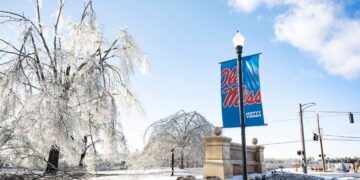
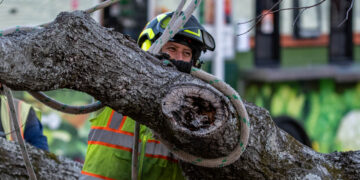
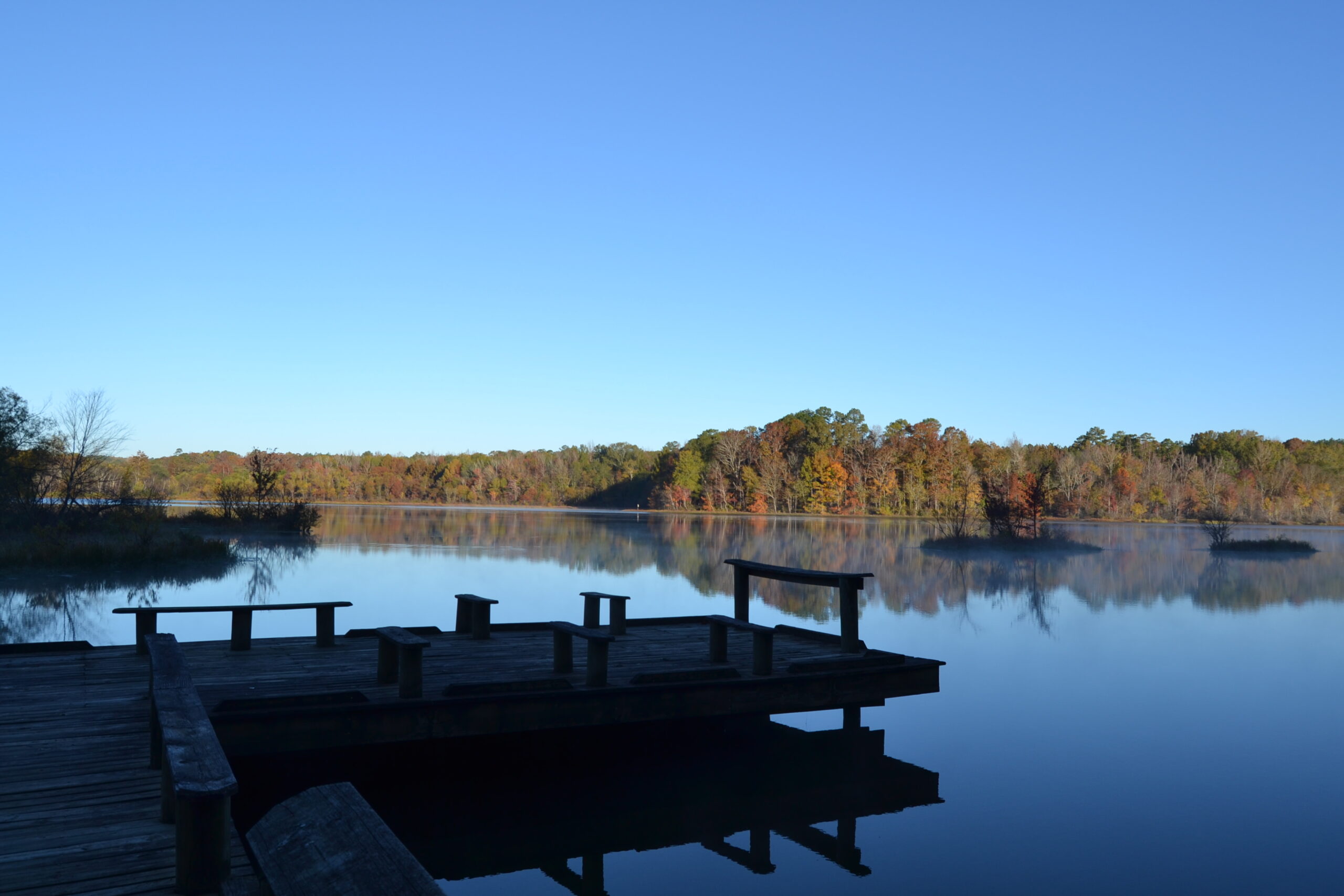
Puskus Lake and the North Cypress Non-Motorized Trail, two of the most notable attractions within the Holly Springs National Forest, were both heavily impacted by Winter Storm Fern. Shelton Whittington, a wildlife biologist for both Holly Springs and Tombigbee National Forests, explains why the sites remain closed.
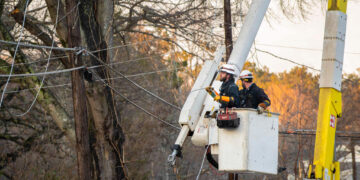
“It’s largely a manpower issue,” Whittington said. “A lot of our field-going personnel are working the prescribed burnings. They also shift and work wildfire seasons out West. So, with a lot of our manpower out fighting wildfires right now, we just haven’t been able to clean those recreation areas up yet.”
Prescribed burnings occur annually to clear out kindling in the forest, which is currently in abundance after Winter Storm Fern. Prescribed burnings reduce the severity of wildfires, manage shelter for wildlife and return nutrients to the soil.
“Burning is a good multiuse tool,” Whittington said. “It does a lot of good for wildlife species as far as managing the cover for them and increasing the nutrients in the plants they eat.”
Holly Springs Forest Service, the group of federal employees that oversees the Holly Springs National Forest, has also used timber production to restore native ecosystems. In addition to using money from timber sales to fund grounds management, workers use tree removal as an opportunity to promote regeneration throughout the landscape.
“Loblolly pine was planted here in earlier days,” Whittington said. “It was a good restoration tool, but it’s not the native pine for this area. So, as we remove loblolly pine, we are planting shortleaf pine and hardwoods to get the landscape back to what it ought to be.”
Another conservation tool is the duck box, which provides a safe space for ducks to nest. John Lovett, a junior mechanical engineering major from Hockessin, Del., serves as the president of the Ole Miss Ducks Unlimited chapter. The club builds and sets up duck boxes to conserve duck populations.
“As hunters, it’s our responsibility to make sure that we do a good job with the conservation,” Lovett said. “If you’re not helping give them a place to live, to feed, to breed, there’s no repopulation, which means eventually there’s no hunting, and as a hunter, that’s upsetting to think about.”
The public is allowed to hunt in several parts of the Holly Springs National Forest, including the Upper Sardis Wildlife Management Area.
“Hunting on public land is cheaper, but you’re dealing with more people,” Lovett said. “It’s government controlled, so (the government) can monitor the ecosystem and make sure there’s no overdoing it.”
Government regulations help prevent wildlife from being overhunted or exposed to disease.
“There’s no hunting without conservation,” Lovett said. “You don’t get the privilege of going out there and doing what you love and being in nature if you’re not protecting this land.”
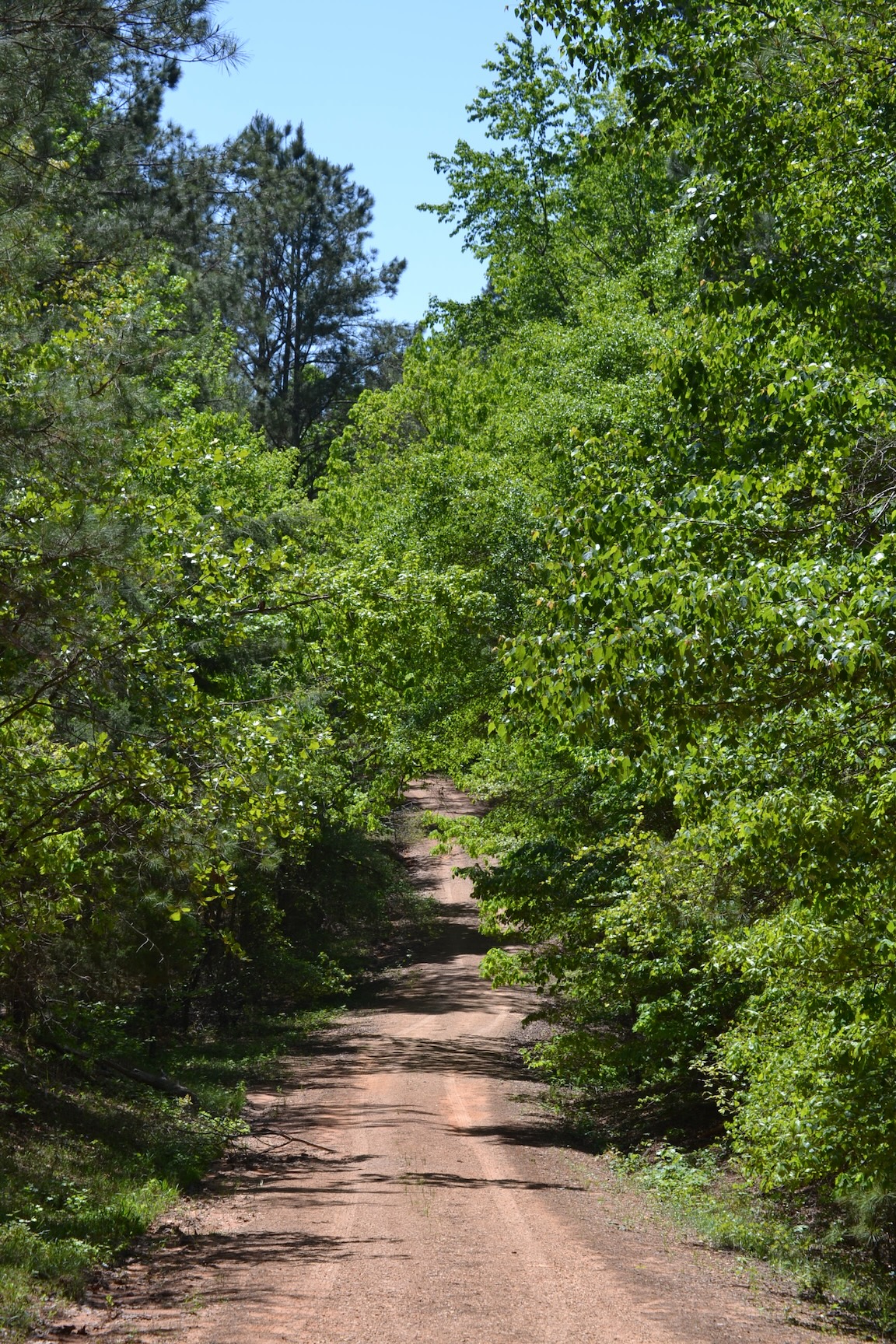
The Forest Service also allows activities other than hunting in Holly Springs National Forest. It sells firewood permits so that individuals can chop their own firewood. The service also allows dispersed camping, which is camping outside of developed campgrounds.
“Public land gives people who don’t have access to private land places to go,” Whittington said. “All of that land is open for anybody in the public to use.”