































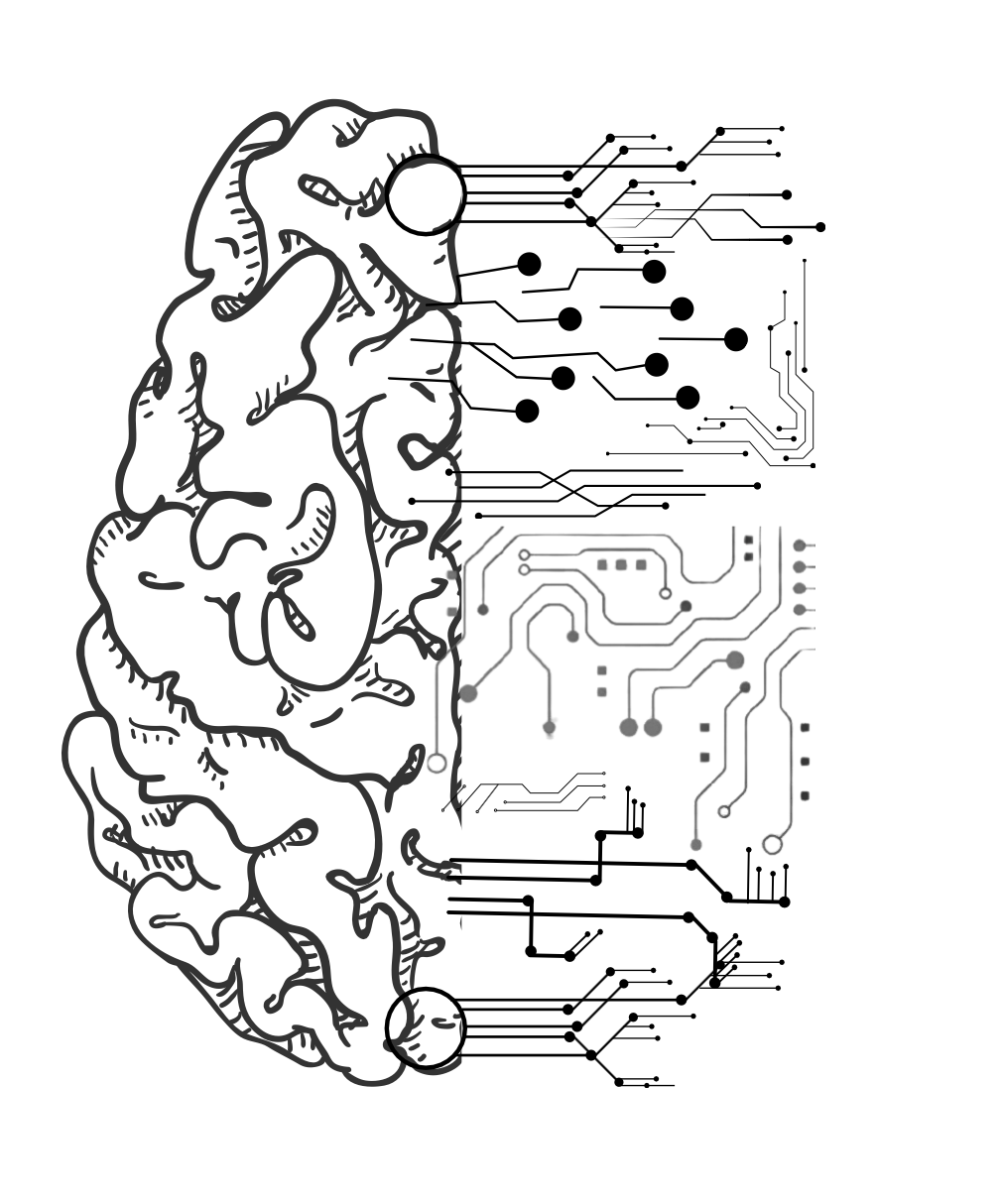
Imagine your brain sending you a pop-up ad:
“Thinking about coffee? Here’s 20% off at Starbucks.”
It sounds unbelievable, but that is basically where artificial intelligence technology companies are headed. That is where neuroethics comes in, raising the alarm before brain data becomes just another product to buy and sell.
This is not just some science-fiction scenario, though. Right here in Mississippi, researchers at the University of Mississippi Medical Center (UMMC) are already engaged in neuroethics conversations. They are connecting advances in neuroscience with the moral, social and legal questions that follow.
So what exactly is neuroethics? Neuroethics is the study of the ethical implications that arise when neuroscience and technology intersect. If that sounds scary, it is only because protecting your thoughts from being hacked is not exactly a relaxing bedtime story.
Think of technology like brain-computer interfaces that let people control devices with their thoughts, or memory-enhancing drugs that could one day boost academic performance. While this sounds like something only scientists debate, it affects all of us on a daily basis.
Targeted advertising already uses psychological research to influence what we buy, watch and even believe. Wearable tech like smartwatches and glasses monitor stress, sleep and brain signals, sometimes collecting data we do not realize we are giving away. At this point, your Apple Watch probably knows more about your sleep schedule than your roommate does.
However, as with most everything, AI-driven neurotech is not black and white. There are countless life-changing benefits to these devices that should not go unrecognized.
For individuals with paralysis, brain-computer interfaces can restore independence by enabling users to type or move with just their thoughts. AI-driven devices can help detect depression earlier, while memory drugs could open new doors for treating Alzheimer’s and dementia.
At the same time, the risks cannot be ignored. If companies or governments gain access to brain data, it opens the door to surveillance at the deepest level — our thoughts and feelings. Even without direct brain implants, algorithms already influence behavior. Combining such algorithms with neuroscience could make manipulation more powerful than Oxford rent prices convincing you to move back home.
Then, there is the issue of equality. If brain-enhancing drugs or neurotech devices become mainstream, who gets access first? The wealthy, or the students scraping by on ramen noodles and coffee? Without careful regulation, neurotechnology could quickly widen the gap between those with resources and those without.
Countries like Chile have already passed laws to protect “neurorights,” ensuring mental privacy and freedom of thought are treated as basic human rights. In the United States, however, those protections are not yet in place.
That means there are very few legal barriers to prevent companies from using neurodata for profit or control. Essentially, your brain could end up as the next iPhone update, taken without you ever reading the terms and conditions.
For college students, this danger is especially relevant. We are the generation most immersed in technology, from TikTok algorithms to wearable health trackers. If neurotechnology expands without ethical safeguards, it could shape not only how we act but also how we think.
Consider athletics, too. What if wearable neurotech became standard for training college athletes? A headset that tracks focus or reaction time could give teams an edge, but it could also pressure athletes to give up mental privacy in exchange for performance.
Here at the university, we are beginning to move toward a safer future with neurotechnology. As a neuroscience minor, I plan to contribute to this effort through my work in Assistant Professor Sharday Ewell’s lab, where I will focus on writing about the intersection of AI, neuroscience and ethics. These conversations are not happening somewhere far away, they are happening here on our own campus.
On the other hand, neurotechnology is not all doom and gloom. It has the potential to transform lives in ways that are genuinely inspiring. Devices that restore speech to those who have lost their voices or help patients with spinal cord injuries move again are positive advancements we should all support.
These positive abilities are why neuroethics matters. It is not about rejecting technology, but asking the right questions before it shapes our lives in ways we cannot undo. We must recognize both the pros and cons of embracing progress without accidentally handing over the keys to our minds.
The best way forward is to stay informed, talk openly about the risks and push for safeguards that treat brain data as the most private information we have. Neurotechnology may one day change what it means to be human. That change should come with accountability, not just another app notification we forget to read.
Vidya Adlakha is a sophomore biological sciences major from Ocean Springs, Miss.