






























There is no such thing as a “green thumb.” Gardening, like cooking, is a science that simply requires following directions. Unlike cooking, gardening provides the long-term fulfillment of raising and nurturing another living thing. While many associate gardening with houses, backyards and land, college students can still start gardening journeys within the confines of their dorm rooms and apartments.
- Choose a plant
As a busy college student, you should begin by looking for resilient plants that will persevere if you occasionally forget to water them. Herbs, such as basil or mint, are generally a good place to start.
An added bonus is that herbs provide renewable sources of fresh flavor to upgrade your meals. Pasta with a jar of Prego becomes a gourmet dish when you drop a couple of basil leaves on top, and a Cayman Jack canned mojito becomes a refined cocktail when you add fresh mint.
Your plant choice will also depend on the space in which you intend to let it grow. If there is no possibility of growing your plant outdoors, then opt for an indoor-friendly plant, like the pothos or spider plant, that can sit near a window. If you live in an apartment with a patio, this is a perfect place to garden and will signal to your neighbors that you are on good terms with Mother Nature.
- Purchase supplies
If you are nervous about starting your garden from seeds, you can buy a starter plant that has already sprouted. While this method will fail to provide you with the satisfaction of looking at your plant and knowing that you turned a seed into a thriving piece of nature, it is a great option for impatient gardeners.
Purchase a 6- to 10-inch (standard size) terracotta clay pot — which is surprisingly cheap, can be purchased at stores like Walmart and Home Depot. Choose a pot with a drainage hole in the bottom so that your plant does not drown.
Terracotta pots are both aesthetically pleasing and made of naturally porous material that prevents root rot and soil disease.
A plastic tray is an indoor essential because it catches excess water and protects furniture. Plastic trays are typically sold next to pots in stores, so purchasing one does not require an extra trip around the store.
You will also need to purchase a small bag of potting mix. Pat Welsh, a prominent garden columnist in Southern California, recommends avoiding moisture-control soils that claim to prevent excessive or insufficient watering because these soils retain too much water. In a test of 14 popular potting soils, Epic Gardening found that Miracle-Gro’s potting mix grew the largest plants in the shortest amount of time.
A watering can is not required, but water streaming out of a drinking cup can be difficult to evenly distribute in your potting mix.
Plant food is a smart purchase for a potted plant since potting mix eventually runs out of the nutrients needed to help your plant thrive. Plant food spikes are low maintenance and can feed your plant for up to two months. If your plant needs CPR, water-soluble plant food will revive it quicker than the spikes.
Optionally, you can purchase a seed starter tray where your seeds can sprout before you transfer them into the pot. (“Sprouting” is the moment when you start to see little bits of green pop out of the soil.) In this case, a simple Google search comes in handy; many seeds, like basil, are fine to sow straight into the pot.
- Plant the seeds (or starter plant)
Your seed packet will be full of technical gardening terms, which can get confusing. The only thing you really need from the packet is the “depth” measurement, which tells you how far down you should bury your seeds in the soil.
“Bury” is an extreme word to use in this situation, though, because the depth might be a quarter of an inch, so this step is easier to visualize as covering the seed in a thin layer of potting mix.
Then, pour some water on top of your covered seed until your soil looks moist, and keep watering it every day.
If you begin with a plant that has already sprouted and has roots, the process is messier. You should step outside onto grass or dirt so that you do not have to clean dirt off of your floor. Then, take your plant out of its plastic container and gently massage — yes, massage — the roots out of their compacted soil.
Once the roots are loose, place them into the pot and fill the empty space with a potting mix. Make that plant look like it matured in your garden.
After placing the sprouted plant in the pot, water generously into the potting mix or soil. You should use enough water that you see water draining out of the drainage hole in the bottom of your pot (this is where the tray comes in handy). This final step integrates the plant into the potting mix, helping its roots settle in.
- Nourish your plant
Plants are resilient, but they also require love and care. The most important way to nourish your plant is to water it frequently. Water needs vary from plant to plant. If you do not want to risk your plant dying, research a watering schedule. You can also use your judgment to water your plant whenever the top inch or two of the soil feels dry to the touch.
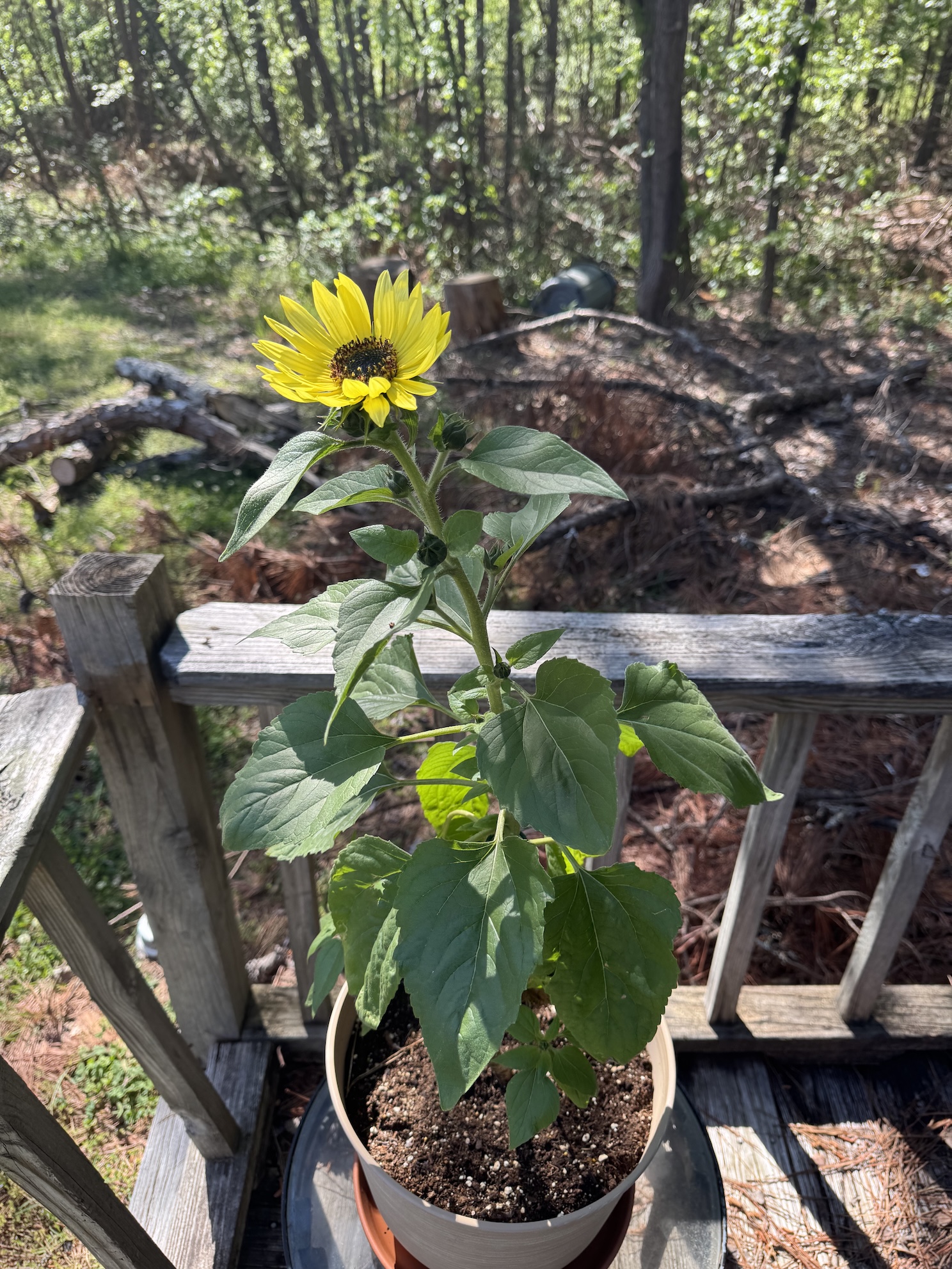
This is also when adding plant food becomes essential. Potted plants are unable to gain naturally occurring nutrients from the ground, and you wash away some of these nutrients every time you water it. My first large plant, a gorgeous sunflower that I raised from birth, died because it did not have enough nutrients to feed itself.
The George Leigh Minor Plant and Soil Health Center at the University of Connecticut warns against using too much fertilizer (labeled as “plant food” at most stores), which is evidenced by “browning roots and leaf tips, wilting, poorly shaped leaves, and a white crust on pot rims.” Remember to read the instructions on your plant food!
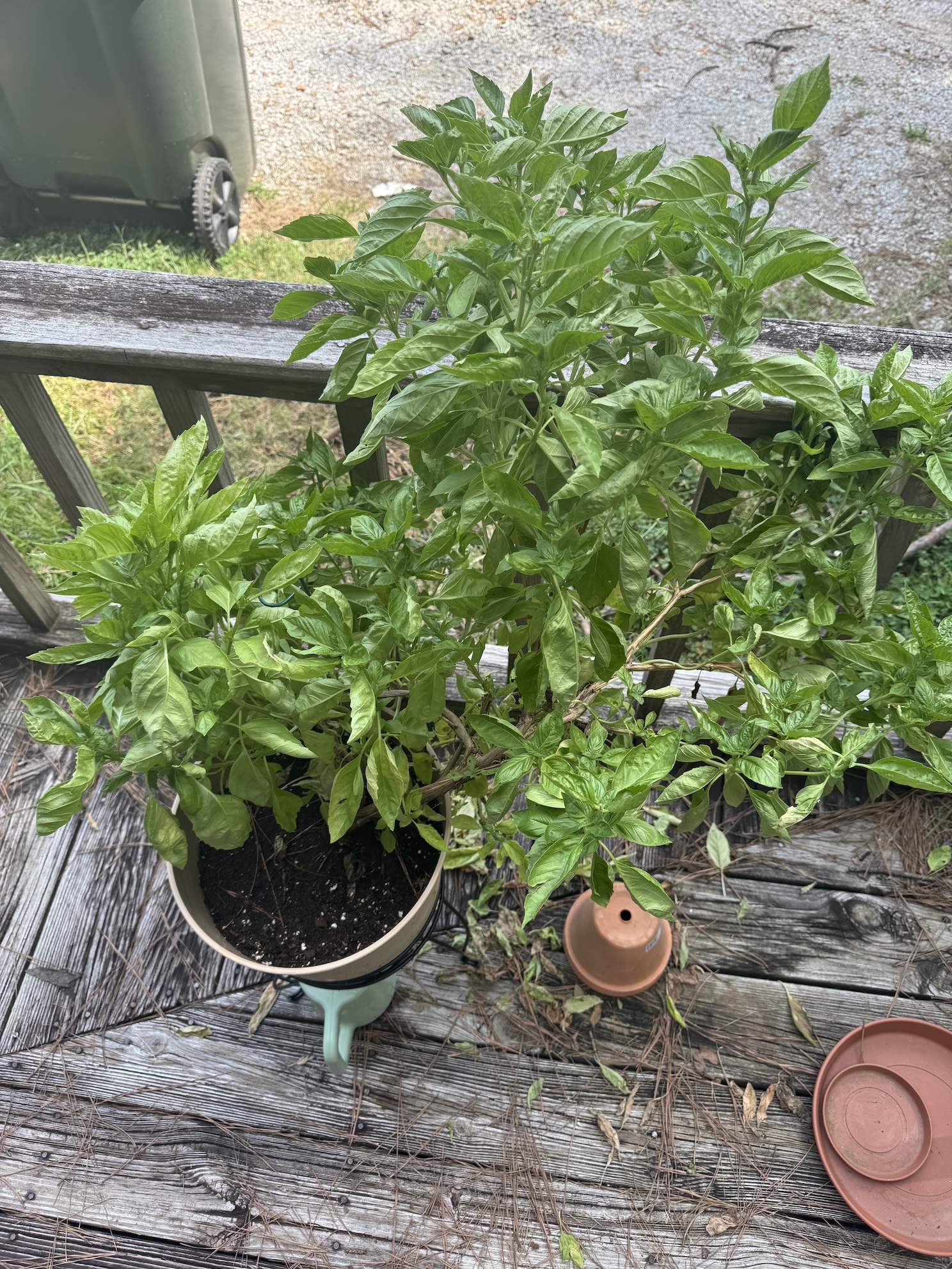
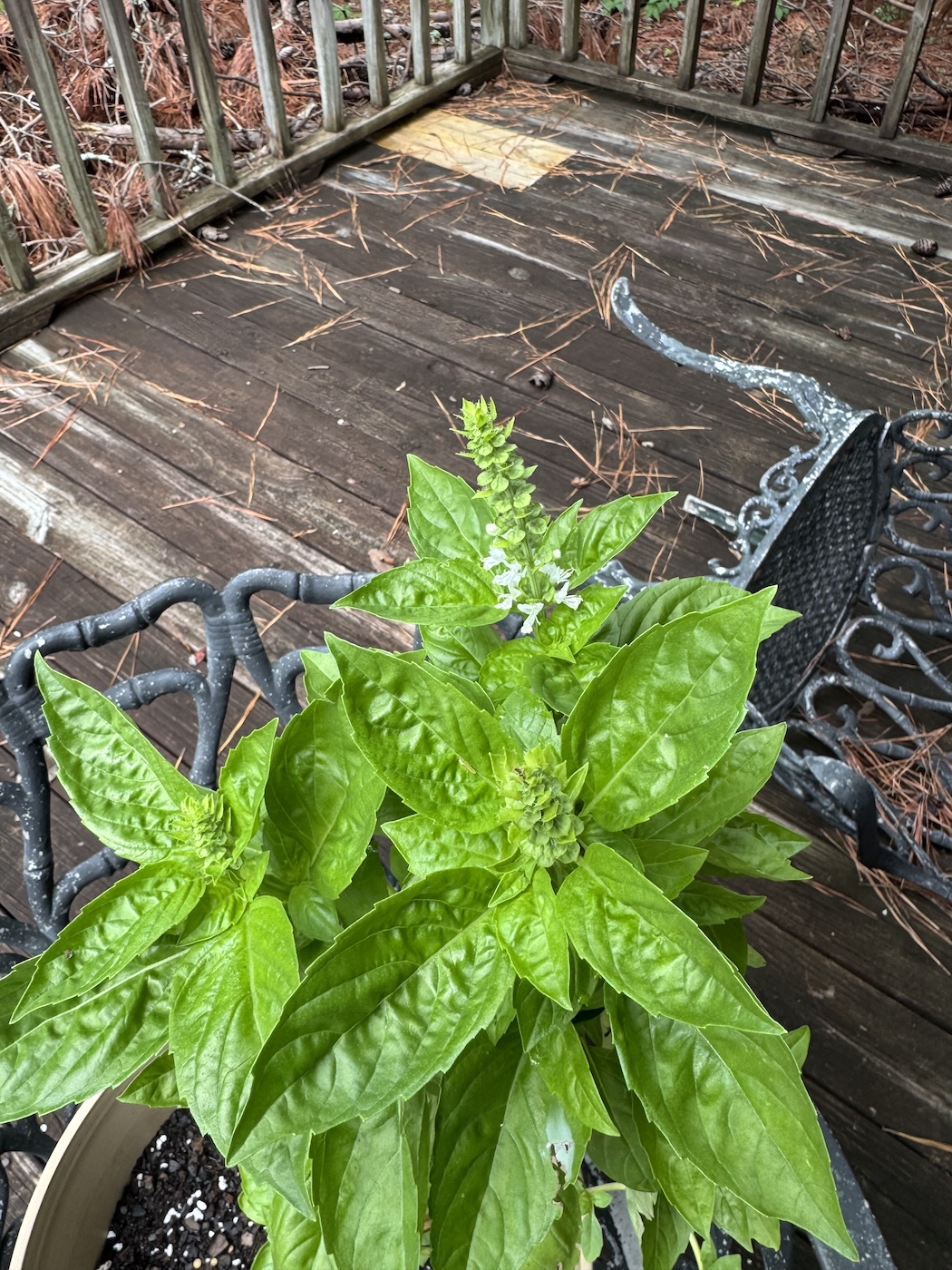
You can also try your hand at pruning — cutting away branches to keep your plant strong. I turned my measly basil plant into a full-on bush through regular pruning. Each plant has its own pruning method, so research before taking scissors to stems. For herbs, you should cut right above tiny leaves growing on stems, which are typically located above bigger leaves. This act doubles the number of leaves that grow back.
Starting your own garden does not have to be an intimidating task, especially with the internet at your fingertips. Gardening can be done in a variety of spaces, so you should not let your lack of outside space hold you back.