





















First-generation college students feel a special excitement for their upcoming college experience. Some of them, however, also worry about the challenges that this new chapter brings, facing the added pressure of being the first person in their family to attend an institution of higher learning.
For many first-generation college students, whose parents or guardians did not complete a four-year college degree, success is about more than earning a degree.
“Being a first-generation college student means everything to me,” Suezette Salazar, a junior marketing major, said. “Being the first in my family to attend and graduate (college) shows that my parents’ sacrifices mattered, and it’s something I’m incredibly proud of.”
The University of Mississippi has made strides to welcome first-generation students through programs and organizations designed to provide support and assistance. The First-Generation Student Network, a registered student organization that organizes programming for first-generation students, was launched in 2020.
When Brooke Jankowsky, a senior marketing and management major, first arrived at UM, she felt the very same hopes as many new college students — excitement, nerves and a desire to succeed. But as a first-generation student, she was also navigating an experience her family had never explored before.
For Jankowsky, now president of the First-Generation Student Network (FGSN), adjusting to college meant learning unfamiliar systems like financial aid, course registration and campus resources largely on her own.
“As a first-generation student, you don’t always know where to start or who to ask,” Jankowsky said. “Being involved in the First-Generation Student Network helped me gain confidence and learn how to navigate those systems.”
Other first-generation students echoed similar experiences, describing the balance between independence and pressure to succeed.
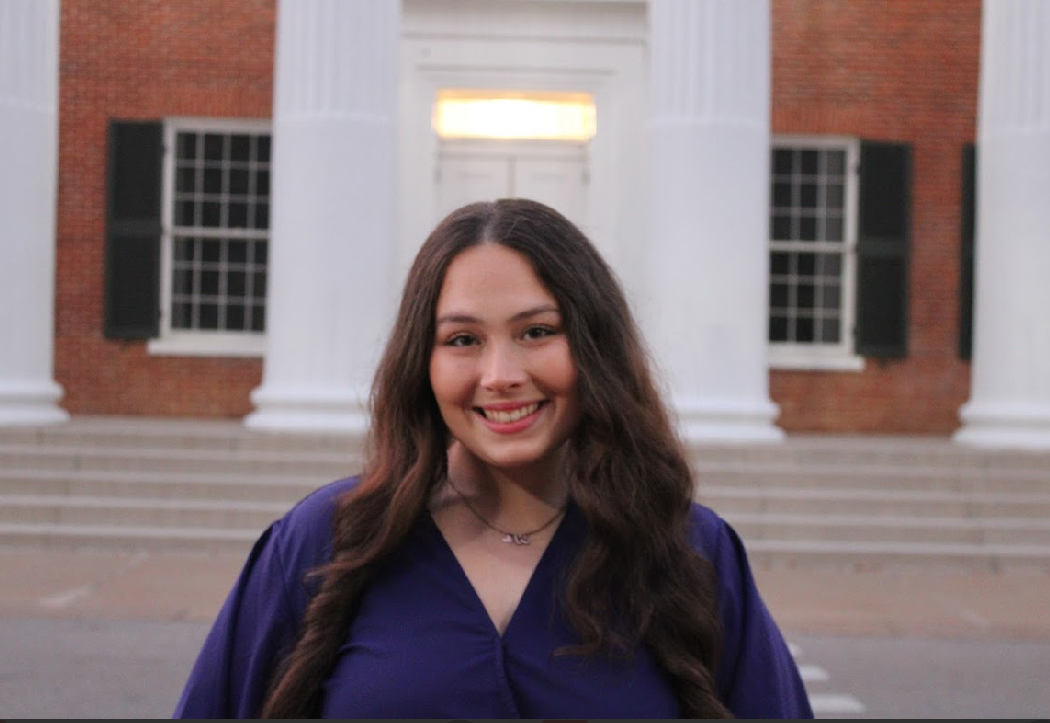
“At first, I struggled with imposter syndrome and didn’t feel like I deserved to be at Ole Miss,” Khloe Osborne, a senior biological sciences major, said. “Once I found campus organizations and friends who shared similar experiences, I was able to open up and truly enjoy my time here. There really is a place for everyone. You will find your people.”
At UM, the FGSN provides first-generation students with mentorship opportunities and offers information about campus resources.
The FGSN also hosts professional development meetings, information sessions on internships and employment opportunities and social events designed to give first-generation students a community on campus.
“FGSN isn’t just about academics — it’s a community you can turn to at any time,” Jankowsky said. “We want first-generation students to feel welcomed, supported and confident as they navigate college.”
The organization meets biweekly on Mondays and emphasizes an inclusive and judgment-free environment.
“The First-Generation Student Network gave me a sense of community. It connected me with students who shared similar experiences and struggles, which made me feel less alone,” Salazar said. “I also learned about campus resources that I did not know were available to me. Through this experience, I realized I wanted to give back. Being selected as the Student Success and Resource Chair allowed me to support other students and serve as a ‘big sister’ figure. I enjoy helping first-generation students navigate college and feel confident in their journey.”
This sense of community is also emphasized by Osborne.
“(The FGSN) has allowed me to meet lifelong friends, have support from peers, hear others’ stories and connect with faculty who truly care about your success and well-being,” Osborne said. “Also, it has connected me to many resources for networking, advice and anything that I would need help with.”
Other first-generation student organizations include the Alpha Alpha Alpha Honor Society, formed on the UM campus in 2024. The honor society is the only first-generation student honor society in the nation, with the University of Mississippi’s chapter being the first established in the state.
“It is an opportunity to recognize academic excellence among first-generation students and all they contribute to the university community,” Ashleen Williams, instructional assistant professor and faculty advisor to Tri-Alpha, said.