
















Navigating the transition from adolescence to adulthood is difficult, but it is especially complicated for those who do not meet impossible standards.
The rules of womanhood, while largely unspoken, are widely understood. They dictate how a woman should dress, how she should behave and how she should present herself to the world.
These rules, however, do not apply to everyone in the same way. As society moves through what many consider the fourth wave of feminism, the “proper woman” our society idealizes is burdened by outdated expectations rooted in misogyny and racism.
The term intersectionality, coined in 1989 by civil rights scholar and activist Kimberlé Crenshaw, helps explain why not all women experience womanhood the same. Different parts of our social identity, such as race, class and sexuality, shape one’s experience with discrimination, privilege and oppression.
On a campus such as the University of Mississippi, Southern cultural context adds an extra layer to the puzzle. For some women of color, societal expectations are levied upon them differently than their white counterparts.
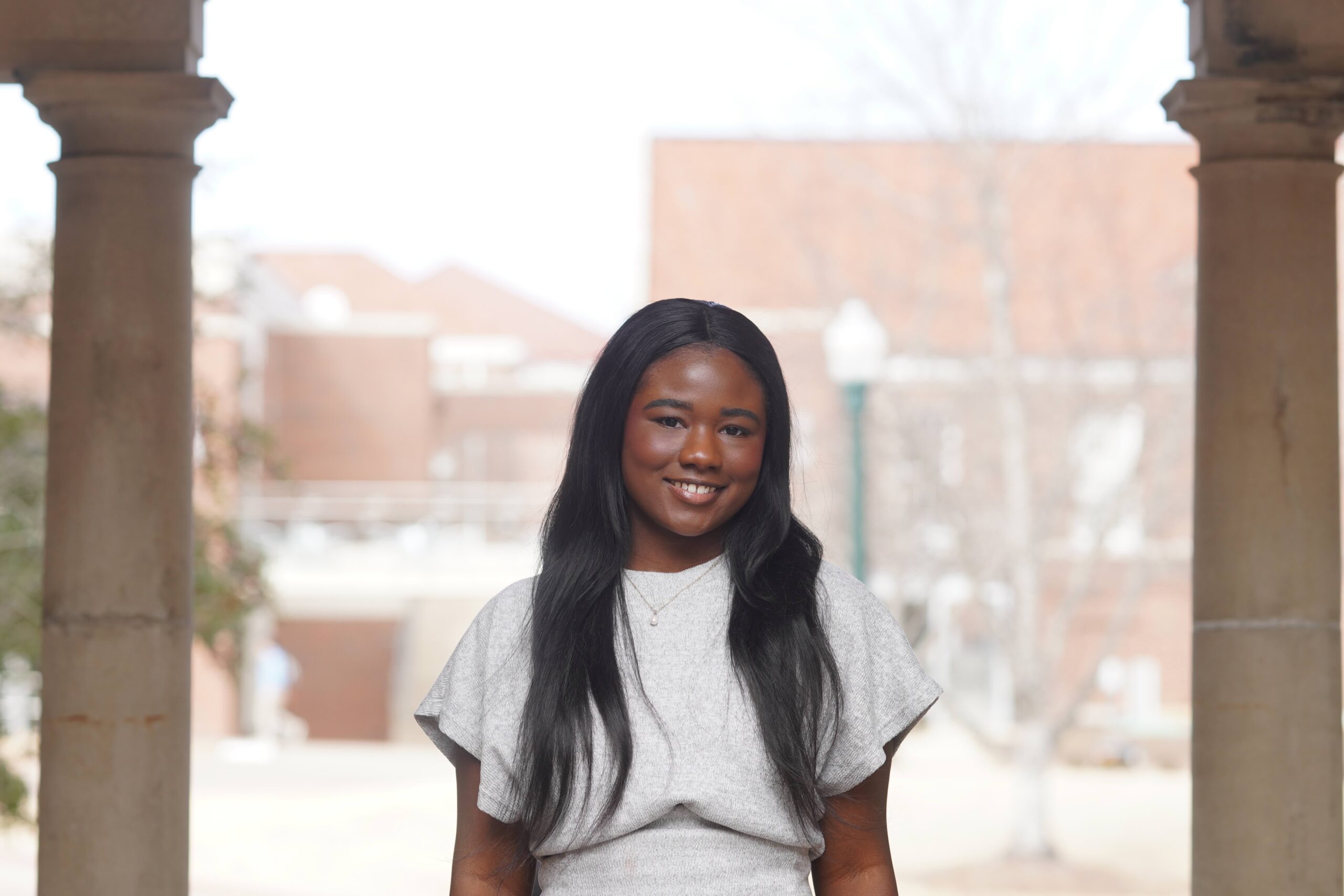
Kori Jeffries, a sophomore international studies major from Olive Branch, Miss., said she often feels like others expect her to act in a specific manner.
“Honestly, I feel like I’m perceived as though I’m supposed to look, act and sound a certain way,” Jeffries said. “When I don’t, it often shakes people up.”
As a first-generation college student, Jeffries noted feeling different from many of her peers.
“It feels like everybody else comes from money,” Jeffries said. “I’m not allowed to be outspoken because it’s perceived as sassy or aggressive.”
Women of color, and Black women especially, experience “double jeopardy,” the inherent bias that comes with being a person of color and a woman. A 2022 study by the National Library of Medicine (NLM) found that gendered microaggressions can cause high emotional turmoil and compel women of color to shrink themselves to be more approachable.
Jeffries said she noticed these differences early in life.
“Early in my womanhood, I realized that the way I speak and look is perceived differently,” Jeffries said. “My body was sexualized more than others, so I was treated as older than I actually was.”
Anika Ravi, a junior public health major from Meridian, Miss., said her identity as a child of immigrants has significantly shaped her college experience.
“I think every woman of color at Ole Miss has a different experience,” Ravi said. “A lot of my struggles came from being the child of immigrants and navigating things my family had never experienced before.”
Although she has had a positive experience overall at UM, Ravi said differences still exist.
“I feel like I have to work harder to be respected in certain spaces than my white female counterparts,” Ravi said. “Conventional beauty standards still influence how people see you.”
Studies from NLM suggest people with conventional beauty standards are often associated with trustworthiness, intelligence and professional competence leading to easier experience in social settings and the workplace.
Ravi also reflected on how representation affected her confidence growing up.
“My biggest struggle was my self-esteem,” Ravi said. “It took me a long time to feel confident in my appearance because the beauty standards I saw rarely looked like me.”
The journey into womanhood is one of the most pivotal moments in a woman’s life. Women have made historical breakthroughs in the fight for equal rights in the past century by amplifying their experiences.
It is time to ask the bigger question: Where do the women who do not fit the standard of “white femininity” belong within the conversation of womanhood?
Where do first-generation students, children of immigrants and women whose identities fall outside of traditional expectations see themselves represented? Their voices matter, and their experiences deserve to be highlighted and not cast to the side as we continue redefining what it means to be a woman today.
Lauren James is a sophomore integrated marketing communications major from Hernando, Miss.