






























The Academy Awards were presented March 15, shining a light on another year of movies we did not watch — in theaters, at least.
Americans do not go to the movie theaters like they used to. Movie ticket sales in 2024 were down 23.5% from what they were in 2019, according to one Variety article.
This has had a harsh impact on the cinema industry, with some reports indicating that as many as 5,000 U.S. movie theaters have closed since the COVID-19 pandemic. These closures disproportionately affect rural areas.

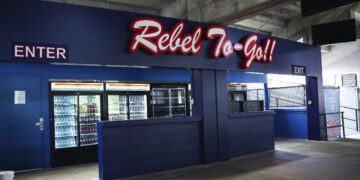
Unfortunately, Oxford is not immune to national trends. In September 2025, one of Oxford’s movie theaters permanently closed its doors. The Malco Oxford Studio Cinema on Jackson Avenue played its final movie following 20 years of business and succumbed to its fate as a rural theater in post-pandemic America.
While some residents and students may not have cared about the theater closing, many Oxford movie lovers were disappointed.
Lexie Blake, a sophomore journalism major from Ponte Vedra Beach, Fla., recounted that she and her friends felt “really sad” when it closed. With the Malco’s proximity to campus, she said, they “made so many good memories as freshmen walking to the movies together” and were upset that others won’t be able to experience the same.
However, with high concession prices and the comparative convenience of at-home streaming services, it is no surprise that the theater industry is collapsing. People do not want to pay more to go to the cinema when they could experience nearly the same thing at home for way less. Rapidly rising gas prices add to the home movie theater appeal.
If cinemas want to remain relevant in today’s digital age, it is necessary for them to adapt with the times. More people would consider going to the movies if tickets and snacks were cheaper.
One could argue that the high costs of movie popcorn and drinks exist to allow theaters to make enough money to keep their doors open because fewer paying customers are coming. Nevertheless, because cost is one of the primary reasons theater attendance is declining, lowering the prices could spur more people to go to the cinema.
In the long run, this would likely have a positive impact on theater revenue.
Cost aside, many people find that going to the movies is not a novel experience worth their time.
“If someone were to actually create an experience out of it, which is an area Oxford is lacking in, like a boutique theater near the Square (or) a drive-in movie … I believe it would do exceptionally well, business-wise, and also get people more excited about watching movies,” Blake said.
Regardless, it would still be difficult for the industry to return to popularity given the ease of being able to watch movies just weeks after their theatrical release on a TV or laptop at home. Watching a movie on your own time at home is much more feasible than planning a trip to the theater, especially for working adults and students.
While the demise of the movie theater may be inevitable, lowering the cost of going to the movies or creating more fun opportunities to do so may be some ways for the cinema to combat streaming services and get people back in theaters.
MacKenzie McDaries is a sophomore Arabic and political science major from Murfreesboro, Tenn.