































Chinese dramas, often called C-dramas, have quickly become a global phenomenon in the entertainment industry. Historically popular within East Asia, they now attract millions of viewers worldwide on platforms such as Netflix, YouTube and iQIYI, including in Oxford, Miss.
These dramas blend historical fantasy, romance and modern storytelling to bridge cultural and language barriers for international audiences. Shows like “The First Frost,” “Hidden Love” and “Love Between Fairy and Devil” have secured massive international fan bases.
Viewers are drawn to dramatic plots, stunning costumes and extremely attractive characters. For many fans, C-dramas offer an escape into a visually rich world that Hollywood rarely explores. Scenes of ornate palaces, intricate costumes, mythological creatures and dreamlike sceneries creates an immersive world that captivates viewers. Alongside the growing international market of these more traditional dramas, a newer form called “microdramas” is rapidly gaining popularity.
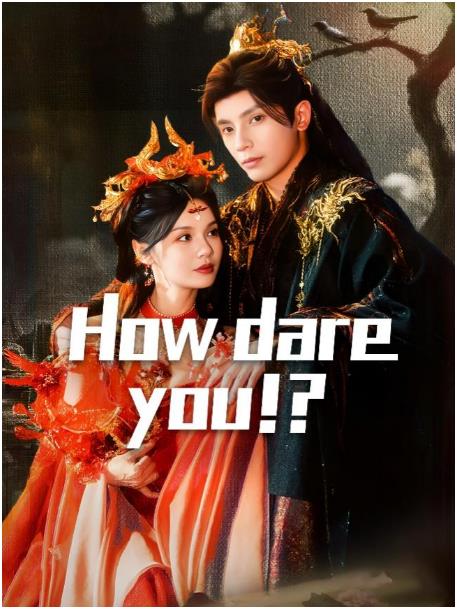
Imagine watching an entire movie in 60 seconds, formatted vertically for your phone screen — this is the defining feature of a microdrama.
These short episodes, often under two minutes long, are designed for phone screens and social media platforms. Their fast-paced storytelling mirrors TikTok and Instagram algorithms, designed to make entertainment easier to consume.
Microdramas are creating new avenues for storytelling and accessibility, especially for younger audiences with limited attention spans and time. Instead of committing to hour-long episodes, viewers can follow entire plotlines in minutes.
Microdramas are now being criticized for replacing traditional film and theater. However, I believe that they may be expanding entertainment rather than diminishing it.
Since their format is significantly different, they do not compete directly with movies or live performances. Instead, they exist in a separate space shaped by social media and digital viewing.
International studies sophomore Ayla Jones believes that, “shorter films across the board are replacing longer films.” However, she also notes that, “people want to increase their attention span, so they now consume long-form content more purposefully.”
Viewers are making a deliberate choice to explore international short-form media alongside long-form content, rather than abandoning one for the other.
Cinema relies on large-scale production, complex scripts and immersive sound that microdramas cannot replicate due to their short format and lower budgets. Microdramas are intended for quick and casual consumption, whereas films are built for long-form storytelling and more emotional depth.
Both forms satisfy different viewer needs rather than compete for the same place.
Ultimately, microdramas do not replace theater culture but coexist with it. They reflect how audiences diversify their media consumption instead of abandoning older forms entirely. The evolution of entertainment, then, is not about loss but about adaptation and expansion.
Vidya Adlakha is a junior biological sciences major from Ocean Springs, Miss.