





















On a college campus, it can be difficult to recognize when a student is struggling. Declining mental health does not always look like isolation or disconnection. It can also look like going to Saturday’s game with friends, posting pictures from a party or sitting beside someone in class.
September is National Suicide Prevention Awareness Month. At the University of Mississippi, campus organizations and resources help students recognize when they or someone they know may be struggling and understand where to turn for help.
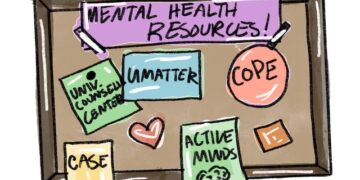
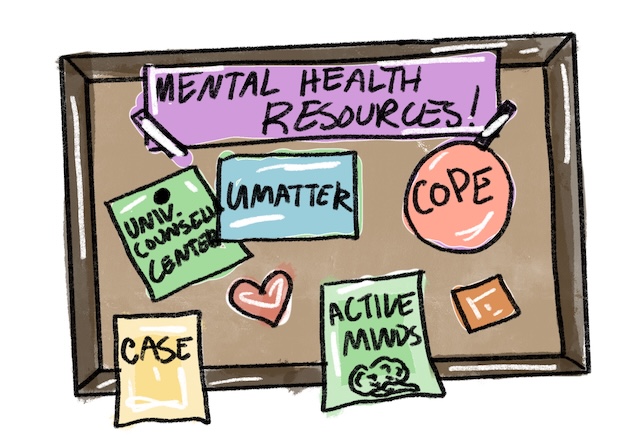
University Counseling Center
Katie Harrison, the assistant director of the University Counseling Center, said common concerns among college students include anxiety, adjustment issues and social struggles.
“While students seek support year-round, we often see increases towards the middle (and) end of a semester,” Harrison said.
“These can be high-stress points in the year because of midterms and finals,” Harrison said.
The UCC provides free, confidential mental health counseling and other support, such as group therapy and walk-in and psychiatric services to university students.
Ivy Comford is a senior double major in theatre arts and English from Ocean Springs, Miss., who has used the counseling and psychiatric services on campus.
Comford has had a very positive experience with her university counselor and believes that the work she has done in her counseling sessions has had a long-lasting impact on her day-to-day life.
“I find myself responding to the world in ways that my therapist helped me discover, and that means everything,” Comford said. “Growth and change is hard but necessary, and I think anyone can benefit from even one semester of consistent meetings.”
Clinic for Outreach and Personal Enrichment
The Clinic for Outreach and Personal Enrichment, or COPE, provides free mental health counseling while providing university graduate counseling students with supervised clinical experience.
Laura Stiles, the program manager for COPE, emphasized that students should not feel alone when struggling with their mental health.
“You are never alone, and your life matters,” Stiles said. “Feelings are temporary, even the really big ones. Suicide is forever. Asking for help is a sign of strength, not weakness.”
UMatter
Another resource available to students is UMatter. The program helps students navigate challenges and connect with campus resources and support services.
Abbie Austin, a case manager with UMatter holding a master’s degree in social work, said students may experience changes in behavior that could indicate they are struggling, including withdrawing from peers, not attending classes or acting differently than usual.
“Students may be most open with friends.” Austin said. “Students may also make comments or jokes about harming themselves or others.”
For students concerned about friends or fellow students, Austin said asking about their well-being can be an important first step. Students can also make an anonymous CARE referral through UMatter to connect someone with additional support.
William Magee Center for AOD and Wellness Education
The William Magee Center provides resources and support related to substance use and recovery. The center also offers services revolving around student wellness and addiction recovery.
One service is WellChats, which gives students the opportunity to have productive and supportive conversations with the assistant director of student support, Katherine Brown.
“WellChats are aimed at supporting students’ wellness needs, like mental health or adapting to college life,” the website reads. “WellChats are designed to connect students to helpful resources, create wellness goals, and offer support and accountability along the way.”
Office of Confidential Advocacy
The Office of Confidential Advocacy, Support and Education (CASE) specializes in helping students who have experienced traumatic events regarding interpersonal relationship violence.
CASE has resources for students who have experienced intimate partner violence, otherwise known as domestic abuse, as well as sexual assault, stalking, cyberstalking and predatory drugs.
“CASE strives to mitigate the impact of traumatic experiences by increasing access and awareness to empower the people we serve in making informed decisions,” CASE’s website reads. “We do this by providing free and confidential trauma-focused services.”
Active Minds
Active Minds is a national nonprofit organization that emphasizes the inclusion of young adults in conversations about mental health advocacy and awareness.
The university chapter of Active Minds had its first general body meeting on Wednesday, Sept. 16 in Lamar Hall. The organization also hosted a lemonade bar on the Union Plaza on Tuesday, Sept. 15.
Active Minds is a student-led initiative dedicated to providing support for those struggling with their mental health, while also spreading awareness of mental health needs in the campus community.
“Our chapter is a student-led group that works to fundraise for resources, educate on the signs and symptoms of mental health disorders and encourage those who are struggling to reach out and seek help,” an Active Minds statement on the ForUM reads. “We aim to address the stigma surrounding mental health and spread awareness on campus and in the community.”
The resources available through university are designed to give students multiple places to turn, whether they are experiencing a mental health crisis or simply recognize that they need someone to talk to.
Harrison encouraged students not to wait until they reach a crisis to start seeking support.
“If you are considering talking to someone about your mental health, that is the time to seek help,” Harrison said.
During Suicide Prevention Awareness Month, these campus resources are emphasizing that students do not have to handle mental health struggles alone. Asking for help is a sign of strength.