





















It is easy to feel disconnected from politics. It can sometimes feel like policymaking is happening somewhere else, to somebody else, so it is easy to ignore the ways politics affect you in your daily life.
Whether it is assignments, work, extracurricular activities or social life, there are many things competing for college students’ attention. Students might simply brush off politics as an issue that they can learn more about when they are older.
The problem with treating politics like it does not concern college students is the fact that it does concern us.
Students convincing themselves that their opinions do not matter risks making their opinions less visible in political discourse. In the 2024 election, a measly 47% of individuals aged 18-29 voted, down from 50% in the 2020 election.
College students are capable of being active participants in elections. The University of Mississippi’s Center for Community Engagement was able to register 365 students to vote in Lafayette County ahead of the 2024 presidential election, a record for registered students in an election cycle for the county.
The easy way out is for students to tell themselves that their votes will not change anything, especially when their peers are equally uninterested in politics. This mindset perpetuates an ongoing cycle: students believe their voices do not matter, will not make a difference in elections and, worst of all, that their concerns will go unaddressed.
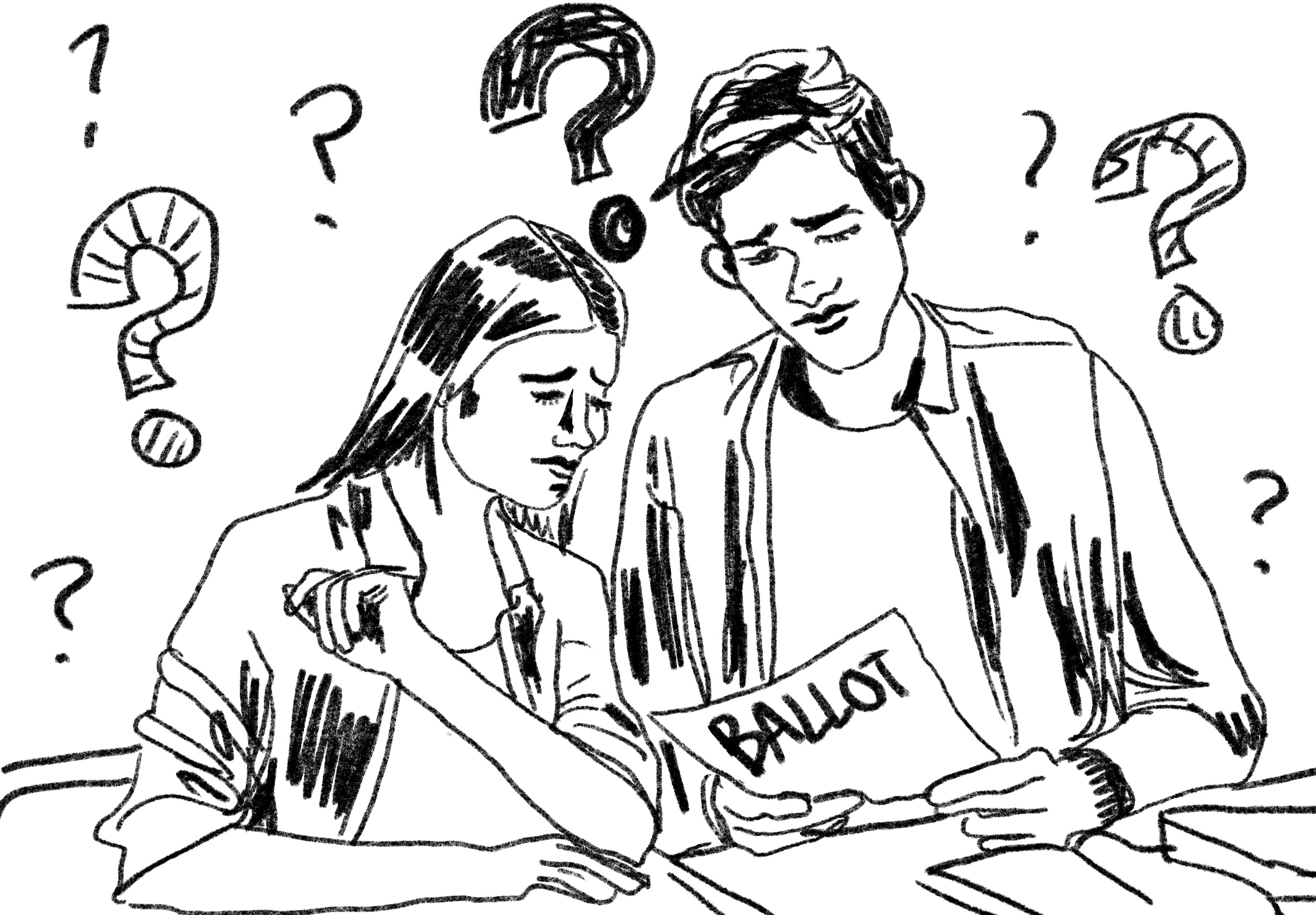
Ahead of the Nov. 3 midterm elections, University of Mississippi students are noticing the disconnect between politics and college students.
Jaylynn Palmer, a sophomore from Corinth, Miss., believes many students feel that politics do not feel personally impacted.
“I feel as if a lot of people at Ole Miss do not care about politics because they feel as if it doesn’t affect them,” Palmer said.
As a public policy leadership major, Palmer’s studies have made politics impossible to ignore. She feels she has a solid understanding of how political decisions can affect her future. However, she understands how this disconnect can form.
“We are told voting is important, but we talk mainly about the presidential election and nothing else,” Palmer said.
Students often view elections as only occurring every four years. Local, state and midterm elections may not receive the same attention as presidential elections, but the decisions made during those elections can still affect students’ lives.
Jack Leslie, a sophomore public health major from Grenada, Miss., believes the majority of UM students do not understand how much politics affects their day-to-day lives.
“I feel like the majority of students at Ole Miss are not as politically engaged,” Leslie said. “Many of the students don’t realize how much politics comes into play with our status as college students.”
Leslie said students may not be engaged in politics when they perceive that policies do not represent their needs.
“I feel disconnected to politics when it seems as if most policies are not in my best interests and are just being made to benefit the top 1%,” Leslie said.
Leslie still thinks students need to recognize how much political decisions can affect their finances and education.
“I believe politicians have a big impact on college students, especially with the One Big Beautiful Bill affecting student loans,” Leslie said.
Both students believe voting is one way students can make their voices heard.
If college students want their problems addressed, they have to participate in the election process that determines who represents them.
Midterm elections may not get the same recognition as a presidential election, but that doesn’t make these elections less important to the students who will be affected by the outcome.
Lauren James is a junior integrated marketing communications major from Hernando, Miss.