






























“By Any Means” has all the ingredients of a powerful historical film, but one of its central stars and characters makes it difficult to convey the message of true Black empowerment that the film wanted to deliver.
Directed by Elegance Bratton, “By Any Means” takes audiences into 1960s Hattiesburg, Miss., where racial violence, voter suppression and the Ku Klux Klan (KKK) shaped everyday life for Black residents. The film is inspired by the 1966 murder of Vernon Dahmer, a Mississippi civil rights leader who spent years helping Black residents register to vote.
Dahmer, played by Giancarlo Esposito, served as president of the Forrest County National Association of Advancement of Colored People (NAACP) during the 1960s, which made him a target for racist violence. In January 1966, Klansmen attacked his home with guns and firebombs. Dahmer helped his family escape through a window, but died the following morning from injuries sustained during the attack. Sam Bowers, co-founder of the White Knights of the Mississippi KKK, was convicted of ordering Dahmer’s murder over three decades later, in 1998. Bowers received a life sentence.
“By Any Means” understands the horror of Dahmer’s story. The movie does not shy away from showing what racial terror looked like in segregated Mississippi. The film depicts a Mississippi complete with burning homes, armed men, frightened families and a justice system that was often unable — or unwilling — to protect Black citizens.
That setting gives the movie an authenticity that is difficult to ignore, particularly for audiences watching in Mississippi.
Instead of focusing on Dahmer and the Mississippi Civil Rights Movement, the film shifts much of its attention toward Gregory Scarpa, a New York Mafia hitman who worked as an FBI informant.
Scarpa is played by Mark Wahlberg, and the movie turns his alleged involvement in the investigation into an action-thriller premise. Scarpa is brought to the South to help a young Black FBI agent named Wayne Strider investigate Dahmer’s murder after local authorities prove unwilling to cooperate. While Strider is a fictional character inserted into the story, his portrayal by Yahya Abdul-Mateen II is by far the standout of the film.
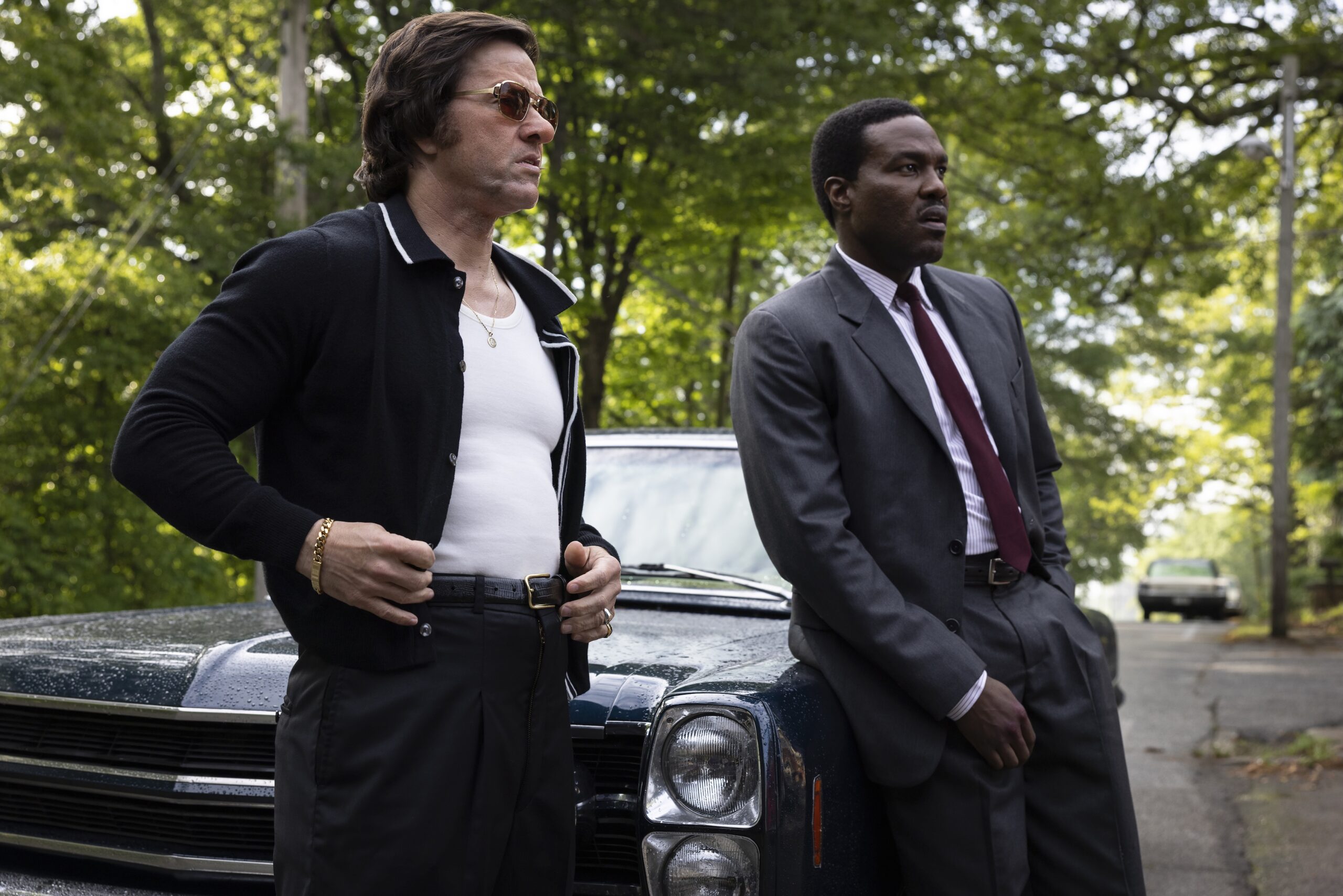
There is certainly something compelling about watching Klan members who have spent years terrorizing Black Mississippians finally face someone willing to threaten them with the same kind of violence. However, the film comes dangerously close to suggesting justice needed a white Mafia hitman to arrive from New York to save Mississippi.
This is an especially uncomfortable message when the actual story contains people like Dahmer, who spent his life fighting for the Civil Rights Movement.
Several members of Dahmer’s family have criticized the film for this same reason, arguing that it exaggerates Scarpa’s importance while taking attention away from Dahmer’s life and civil rights work.
There is also a strange disconnect between the movie’s message and the man delivering it.
Mark Wahlberg is not just an actor portraying a violent character but is also a producer of the movie.
Wahlberg has his own history involving racial violence. As a teenager in Boston, he participated in racially motivated attacks against Black children in 1986 and received a civil rights injunction. In 1988, at 16 years old, he assaulted two Vietnamese men, hurling racial slurs at them during the attacks. He was convicted as an adult and served 45 days in prison.
Wahlberg petitioned Massachusetts in 2014 for a pardon of his 1988 conviction. The request was ultimately closed in 2016, and Wahlberg never attempted to open it again.
The actor and producer has repeatedly spoken about regret for his actions as a teenager and how he has turned his life around. His past, however, makes his role in the film difficult to completely separate from the film’s subject matter.
Dahmer’s story, along with the many others that were killed and assaulted by both KKK members and law enforcement, deserve to be remembered, particularly in the state where they lived, organized and ultimately died for the rights of Black Mississippians.
Those are the stories worth bringing to the screen.
“By Any Means” is at its best when it forces audiences to confront the ugly reality of Mississippi’s civil rights era. It is less successful when it turns that history into a revenge thriller starring a Mafia hitman.
The film wants to argue that sometimes justice has to be achieved “by any means.” Mississippi’s history shows that the fight for justice was never simply about finding someone willing to hit back; it was about the people who kept showing up and making a difference despite the violence.