

























College sports do not look like they used to, and this summer, softball proved it. More than 1,600 athletes entered the Division I softball transfer portal during the offseason, changing the sport instantly. Money has been at the core of college football and other top college sports for several years, and softball has now reached that level.
At the heart of the frenzy is the SEC. Revenue sharing, NIL money and elevated national exposure have transformed the conference into the ultimate destination for student-athletes and the place where the craziest moves are happening.
This summer, top-level starters, former All-Americans and freshmen who were supposed to become the next big players suddenly packed up and entered the portal.
UCLA, another traditional powerhouse, also watched important starters head elsewhere. All-Big 10 freshman honoree Addisen Fisher left the Bruins for Georgia — a historically weaker softball program. Moves like Fisher’s send a loud message to the rest of the sport: Blue-blood status no longer guarantees recruiting success in the NIL and revenue-sharing era.
Within the SEC, LSU lost starting pitcher and two-time All American Sydney Berzon to Oklahoma but received transfer pitcher Paytn Monticelli from the Sooners. “Trades” like this are not unheard of in the current era of college sports and allow players to go to school where they can get more playing time. These scenarios are only going to become more common as the NCAA adopts a more business-centered, professional sports-adjacent model.
Tennessee saw crucial starters depart after its Women’s College World Series run, but the Volunteers responded by adding Sophia Knight and Makenzie Butt, both from Boise State, in two of the biggest moves of the summer.
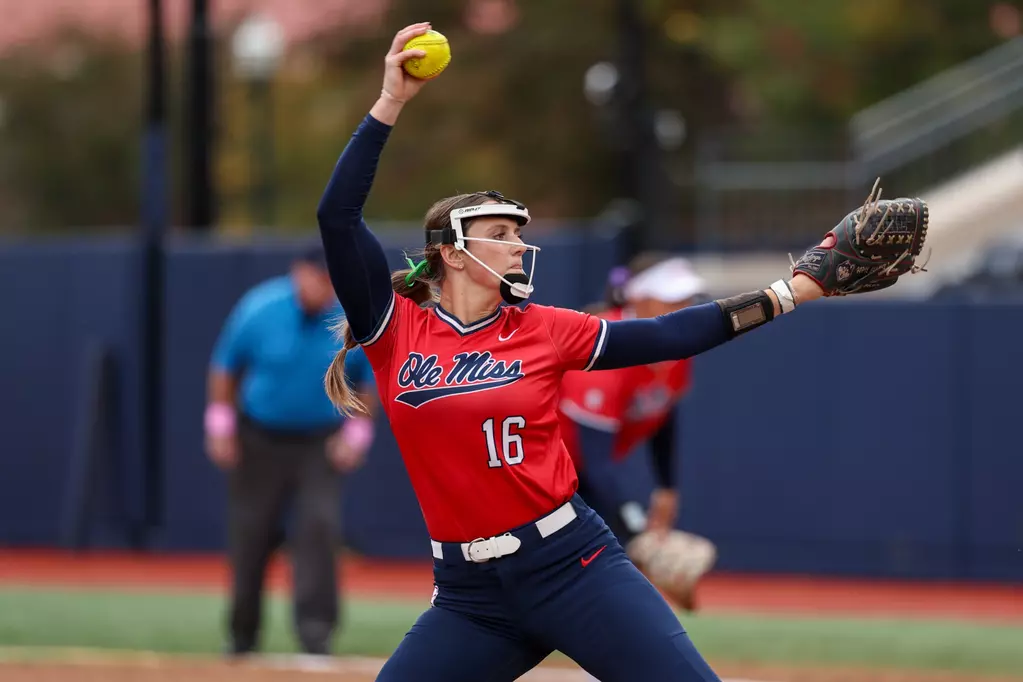
Here in Oxford, Ole Miss also experienced both sides of this portal coin. The Lady Rebels gained numerous highly ranked transfers, including players from other SEC teams and playoff contenders. Most notably, they added Emilee Boyer, a two-way star and the National Fastpitch Coaches Association (NFCA) Division II National Player of the Year.
However, five Lady Rebels also departed from last season’s World Series team, the most important of which was starting pitcher Miali Guachino, a freshman All-American, who left for Oklahoma.
Guachino’s exit serves as a reminder of the new reality in college athletics. Success from one season is not guaranteed to carry over into the next. Roster retention has become just as important as recruiting, even for successful teams.
The driving force behind all of this movement is simple: opportunity.
NIL deals are shaping choices now more than anything. For the first time in the sport’s history, female student-athletes can earn money by signing sponsorships. Add in the growing implementation of school revenue-sharing models, where schools can directly pay student-athletes much as professional teams pay their players, and student-athletes are making decisions based on both competitive and financial futures.
And, these student-athletes have every reason to. Professional softball opportunities exist, but as the premier softball league, the Athletes Unlimited Softball League (AUSL), is in its infancy, salaries remain low and careers are short and shrouded in uncertainty.
The average AUSL salary is only $45,000; so, for many softball players, college serves as the peak earning opportunity. Standout pitcher NiJaree Canady just signed her second $1 million NIL deal to play for Texas Tech. The contract was in part funded by famous Red Raiders booster/alum and current Kansas City Chiefs quarterback Patrick Mahomes, showcasing the attention and star-power that Canady and others are bringing to the sport.
Mid-major programs struggle the most, as their standout players are plucked away by bigger schools the second they break out. To return to an earlier example, Knight batted .445 with 114 runs scored and a .524 slugging percentage at Boise State last season, and now she is a Sooner. Now, the Broncos will be without a premier player for the 2026 season.
Across the country, there is a growing fear that the SEC, plus Texas Tech, may eventually take all of the sport’s top talent and widen the competitive gap.
But whether this shift is viewed as a concern or a thrilling new stage, one thing is undeniable: people are watching. The 2025 Women’s College World Series was the most watched Softball World Series ever, with a 24% viewership increase from the 2024 competition. The final game of the championship series, Texas vs. Texas Tech, was the most watched NCAA softball game in history, with 2.4 million viewers.
Softball fans are passionate and invested, and the transfer portal has only fueled that engagement. The offseason has become its own entertainment product full of suspense, speculation and a timeline packed with breaking news alerts.
A sport once known for stability, where student-athletes stayed at the same school for four or five years, has become one of the most dynamic, unpredictable spectacles in college athletics.
That is good for players. It is good for exposure. And it will be good for the sport long-term.
Softball needs more viewership and attention in order to grow. There have been many attempts at a professional level league, but all have been short-lived.
If the AUSL is to become a league that gives female athletes post-collegiate careers like the MLB, NFL and NBA do for male athletes, this excitement and attention around college softball is vital. People need to be invested in these athletes the same way they were about Caitlin Clark or Angel Reese, or Paul Skenes and Chase Burns.
What comes next? More movement, headlines and drama. More summers where coaches do not sleep well, and more opportunities for athletes to take charge of their futures in new ways.
For programs like Ole Miss, that means adapting quickly, recruiting smartly and embracing the reality that the roster is never really final. The portal may bring heartbreak and excitement at the same time, but it ensures one thing: The game is evolving, and the SEC will be leading the charge.
College softball has entered a professional era without the professional label. It feels like free agency has arrived.