






















2026 has been a fantastic year for cinephiles. This summer has featured a host of fascinating and memorable films, from epic blockbusters to breakout independent films. It has also been a particularly strong season for directors, some of whom are already critically acclaimed and others of whom have burst into the cinematic scene. Here is a review of the top films of the summer.
Obsession
“Obsession” is a supernatural horror film written and directed by Curry Barker, a YouTuber turned indie filmmaker. His debut success story is one that amateur filmmakers dream about. Barker is the kind of young directing talent needed to disrupt the movie industry. A 26-year-old with a background in comedy, Barker brought his screenplay to life with a measly budget of $750,000.
Despite the movie’s low budget, I can confidently say I have not seen a horror debut this good since Ari Aster’s 2018 psychological horror film “Hereditary.” It defied the basic laws of box office physics by beating its opening weekend numbers every week for four weeks straight. It did so largely due to social media’s craze for the movie’s dramatic scenes.
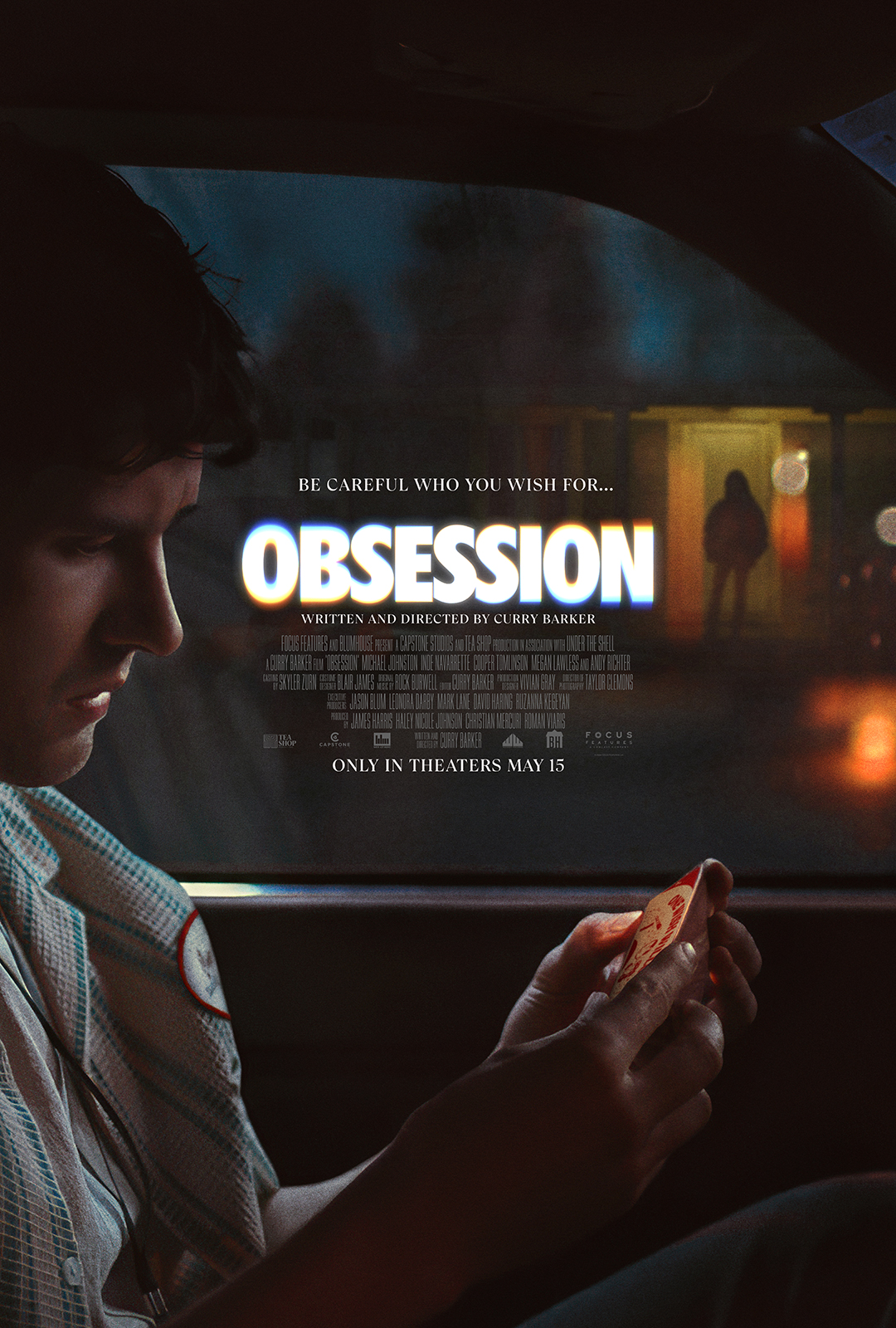
The film itself is fantastic. It is a simple monkey’s paw premise — a magical item grants a user its wish, but unintended consequences follow. The premise is taken in an extremely twisted direction with an especially shocking third act, brought to life by outstanding performances from the entire cast.
Each facial expression tells a story in this movie. There are so many little character details packed into each cast member’s performance — details essential in making the characters all the more believable and the finale all the more devastating.
Michael Johnston stars as the lead character, Bear, who works at a music store with his friends and harbors an obsessive crush on one friend in particular — Nikki Freeman, played by Inde Navarrette. In a fit of frustration, Bear wishes on a cursed object for Nikki to love him more than anyone in the world, and thus begins a living nightmare for all parties involved.
Johnston channels the right level of awkwardness to make him easy to root for in the first few minutes of the film. This awkwardness, however, turns despicable as the audience learns more about Bear, and his subpar decision-making becomes more apparent.
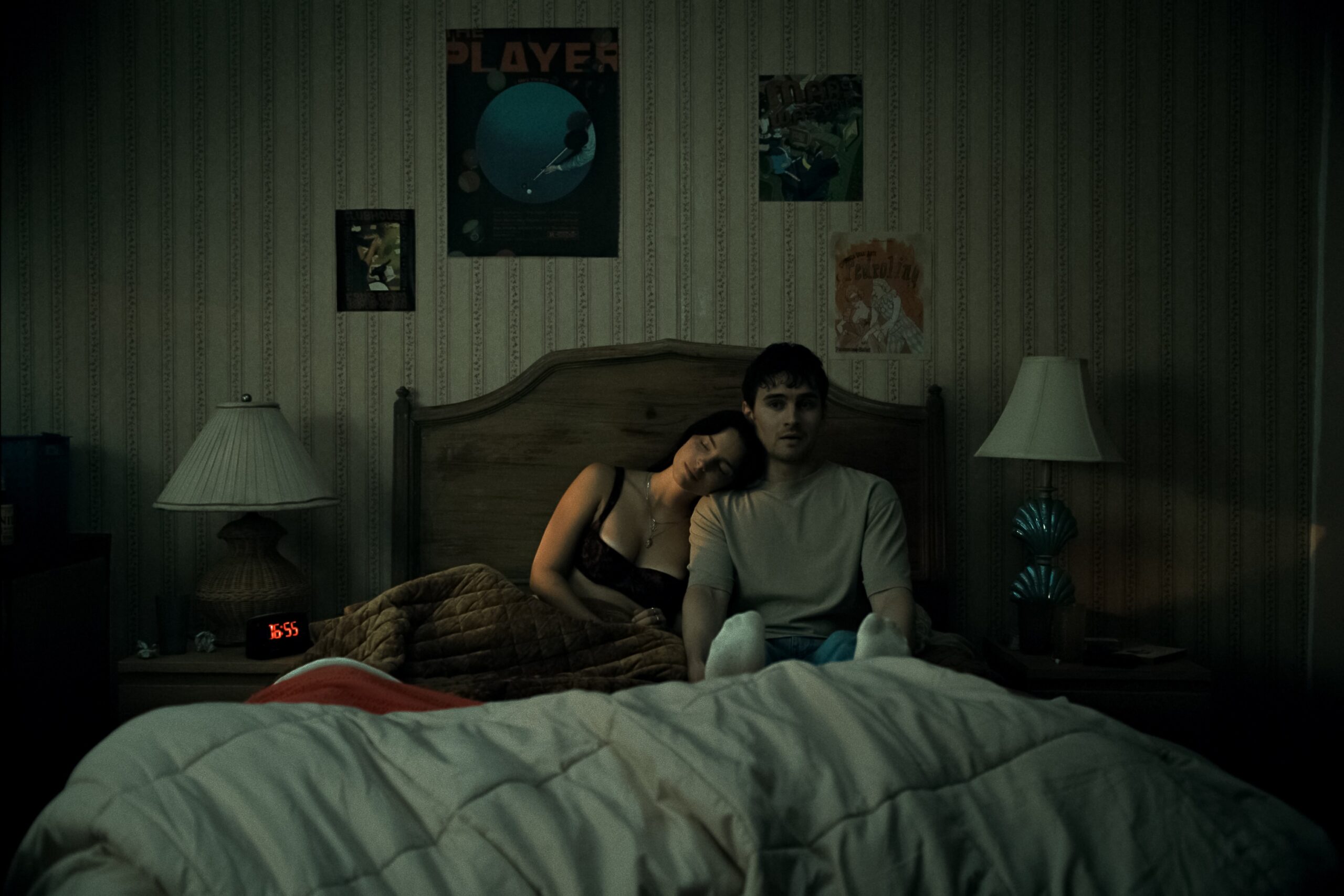
Most of the film’s tension comes from one performance: Navarrette in the role of Nikki. The moments where Navarette goes full blood-soaked psycho are terrifically morbid and fun, but the standout moments in the film are when the full ramifications of the monkey’s paw are shown in flashes of Nikki regaining her self-awareness. Each of these scenes carries a weight of tragedy but remains firmly lodged in the audience’s imagination since they tap into the primal fear of losing one’s autonomy.
Tapping into that fear is why “Obsession” stands out among a crowded field of indie horror films from the last few years. In an age when many horror films aim to explore complex dating dynamics, such as “Companion” or “Together” — no film has done so quite as intelligently as “Obsession.”
Backrooms
Another indie horror juggernaut this summer was “Backrooms.” The film was adapted from Kane Parsons’ series on YouTube that turned an anonymous post on 4chan — an anonymous, loosely moderated online forum — into a full-blown analog horror. Since the film was announced, fans have eagerly awaited its release.
The film follows a burnt-out architect who discovers a secret door in the basement of his failing furniture store. Beyond the walls of the basement lies a seemingly endless mess of long corridors, yellow walls and humming fluorescent lights with a strange, terrifying presence lurking somewhere deep inside the impossible maze. The plot is the least interesting aspect of this film; the main reason to watch is the unsettling atmosphere of the backrooms.
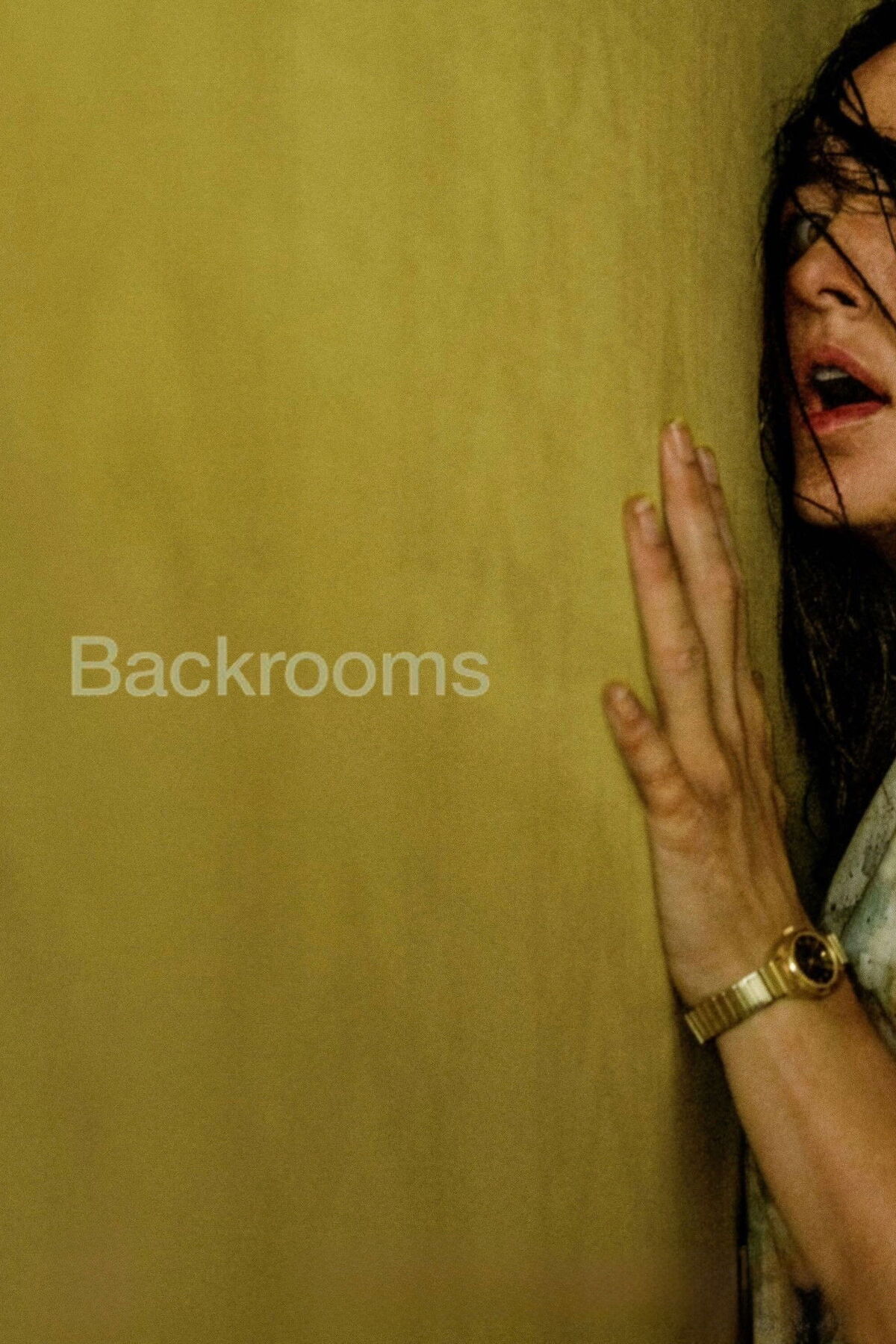
The original YouTube series raked in millions of views, leading to A24 bringing the series to the big screen with Parsons in the director’s chair. “Backrooms” is wonderfully inventive from a directorial standpoint. Despite some shoddy characterization and a rather boring dramatic take on therapy, the film wields an incredible control over its environment and atmosphere.
The film astounds in specific areas while neglecting to flesh out its lead characters beyond a single memorable outburst when the protagonist affirms that he is in fact “a (expletive) architect.” The personal history of this character, revealed in the third act, is underwhelming and predictable. However, the film feels like a potential cult classic, especially if Parsons continues to make more feature films exploring the concept of the backrooms.
Despite Parsons’ skill as a director, “Backrooms” may prove a potentially unsatisfying experience for many audiences due to its lackluster screenplay. It is a horror film in which the director is the center of attention, similar to “Obsession,” but it lacks the depth of that film and, while both are good movies, “Backrooms” gets shown up by its counterpart. Nevertheless, both of these new directors enjoyed an excellent summer for their films, made more exciting by the clear enthusiasm from the general public.
Disclosure Day
On the other end of the director spectrum, well-established director Steven Spielberg released a new original science fiction film titled “Disclosure Day.” While some aspects are enjoyable, the film is disjointed compared to “West Side Story” (2021) and “The Fabelmans” (2022), two late-career masterpieces from Spielberg. His newest release does not reach those heights.
The film is a conspiracy mystery about UFOs, a concept that Spielberg executed much more masterfully with his 1977 film “Close Encounters of the Third Kind.” As a fugitive-style, man-on-the-run thriller, the film has some terrific chase sequences that might remind audiences of Spielberg’s own “Minority Report.” However, aside from some creative tracking shots, Spielberg’s direction feels somewhat lifeless, due to careless color grading and a third act that cannot seem to decide where it wants to land.
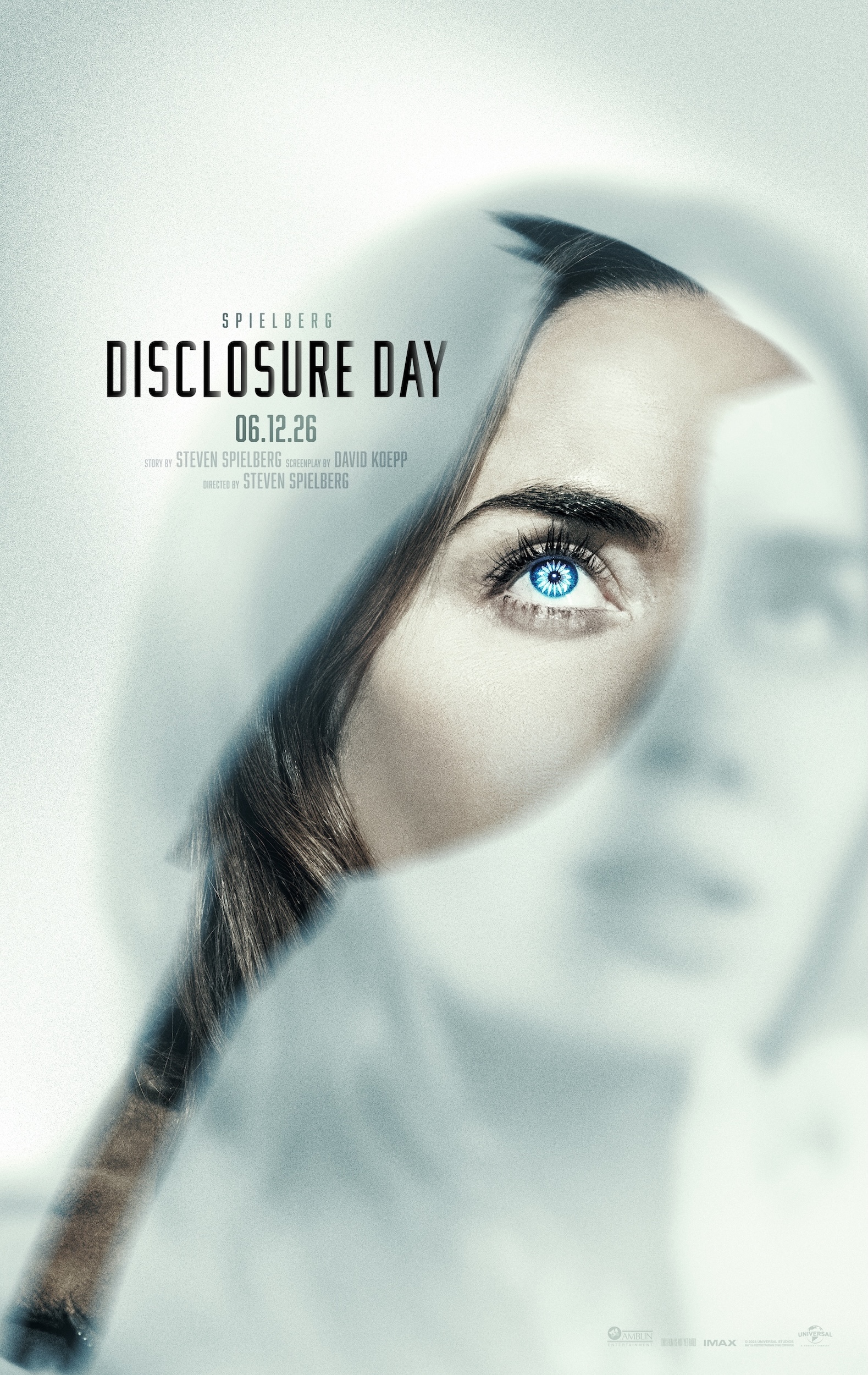
The film is oddly unsatisfying for a Spielberg release. The director is the opposite of Barker and Parsons in that he has nothing to prove, yet “Disclosure Day” is his first of this decade which makes that fact apparent. In retrospect, a subpar Spielberg release coinciding with two massive emerging talents serves as a loud signal of a changing zeitgeist in cinema.
The Odyssey
Christopher Nolan followed 96th Academy Awards Best Picture winner “Oppenheimer” with another masterpiece in “The Odyssey.” The film is so big that only a handful of screens across the country can show it as it was intended by Nolan, and the cast is so star-studded that Charlize Theron and Zendaya are practically reduced to cameos.
Matt Damon shines as Odysseus, classical literature’s ultimate lost soul desperately yearning for home — a typecast to which Damon is very familiar — while Robert Pattinson steals the show in his role as the despicable Antinous.
As the first feature film shot entirely on IMAX, every shot of this film is breathtaking, even though hardly any shot lasts longer than a few seconds due to the limited capacity of these cameras. Indeed, if there is one grievance with this film, it is that the rapid-fire editing can be rather grating on the eyes at points.
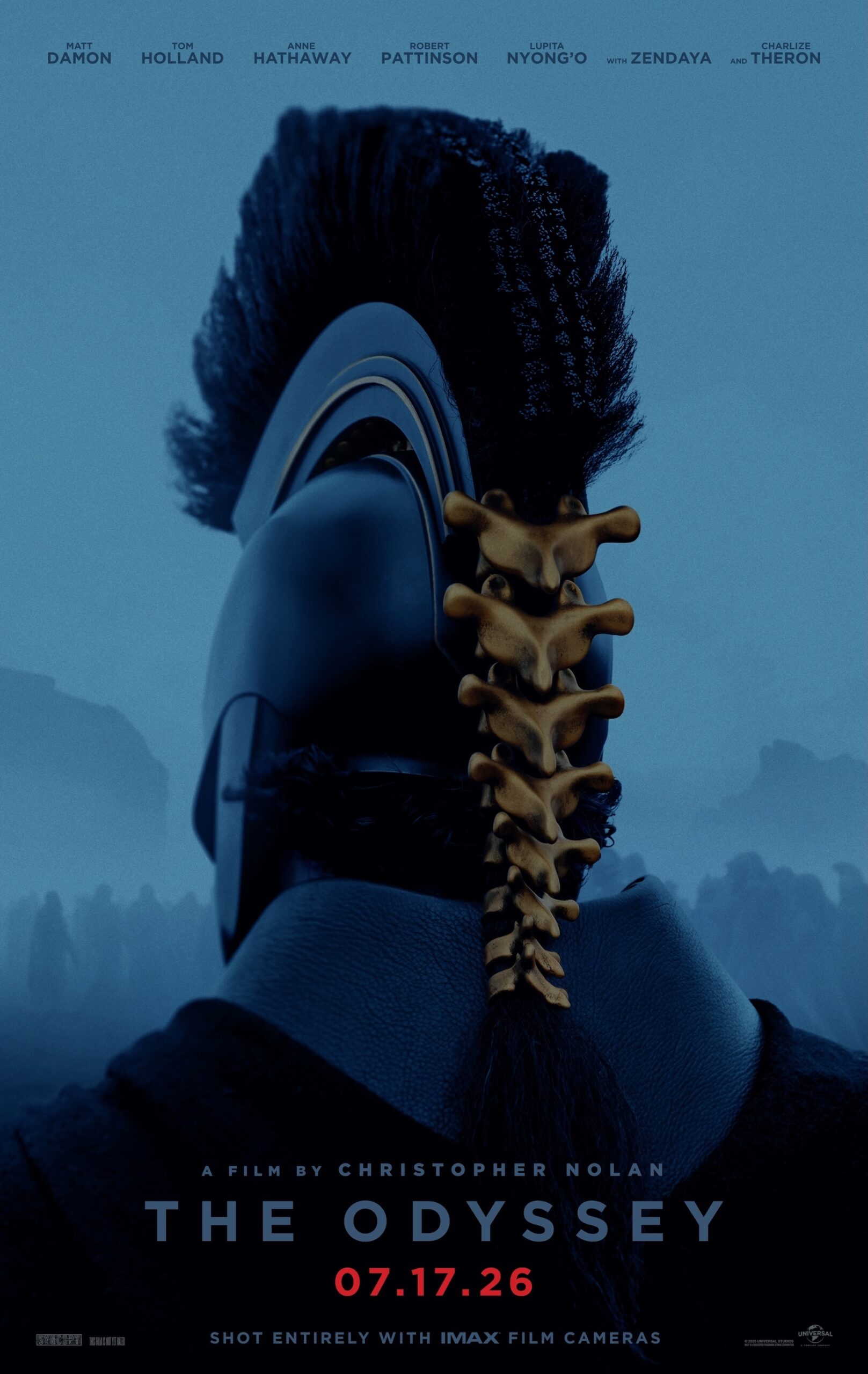
There is nothing but praise to heap on this movie. It is an adaptation of Homer’s epic poem with the same title, written in roughly the eighth century B.C., which tells the story of the hero Odysseus as he makes his journey home to Ithaca following the Trojan War. Odysseus’ journey is waylaid by various monsters from Greek mythology, and his wife, Penelope, and son, Telemachus, begin to doubt that he will ever return.
The structure of the original poem is a perfect fit for Nolan, who frequently frames his films in nonlinear narratives. The multiple timelines, which flash constantly back and forth, call to mind the “fission/fusion” structure of “Oppenheimer.”
This is Nolan’s first foray into fantasy or mythical stories, and his take on the magic of these ancient Greek myths is decidedly in character. The gods, particularly Zeus and Poseidon, are depicted as forces of nature rather than speaking characters, although Athena, played by Zendaya, appears to Odysseus as a vision in human form multiple times.
The dialogue with the cyclops, Polyphemus, present in Homer’s epic is also omitted from the film, reflecting the magical realist approach of this adaptation with Odysseus posing the hypothetical “Do you talk to ants?” to one of his crewmembers.
The cyclops might be one of the most impressive monsters in the history of cinema. Created through a mixture of motion capture and puppetry, the 60-foot tall Polyphemus puppet is the kind of sight that makes your jaw drop. Also, the visual effect during Circe’s transformation scene is one of many points in the film that displays Nolan’s phenomenal use of practical effects, as well as a newfound mastery of body horror with the scene calling to mind the classic transformation from the 1981 film “An American Werewolf in London.”
At its core, “The Odyssey” is a film composed of one excellent scene after another. Every situation is tense, and the finale is exciting. Nolan’s additions, such as “the people from the sea,” speak to his ability to contribute meaningfully even to stories that are thousands of years old. “The Odyssey” is truly a labyrinth of his own design.
Spider-Man: Brand New Day
Zendaya, Tom Holland and Jon Bernthal, all part of the cast of “The Odyssey,” reunited for “Spider-Man: Brand New Day.” The film’s title is fitting, as the film works as a palate cleanser from other superhero movies.
It is a soft reset of the Marvel storyline that works for an audience member with a passing familiarity to the previous Tom Holland “Spider-Man” films. The goal of this film is to establish a new status quo for the character, more in line with the classic Spider-Man of the comics. Like “The Fantastic Four: First Steps,” which came out last year, this film demonstrates an eagerness to recreate iconic images from the early days of Marvel Comics.
At times, the film feels derivative in terms of its imagery and portrayal of Spider-Man. However, it is not without its merits too. For one, the change in director is absolutely welcome. Jon Watts, who directed the last three movies, milked the green screens dry, using them so often to the point that dialogue scenes felt more artificial than the CGI-heavy action sequences.
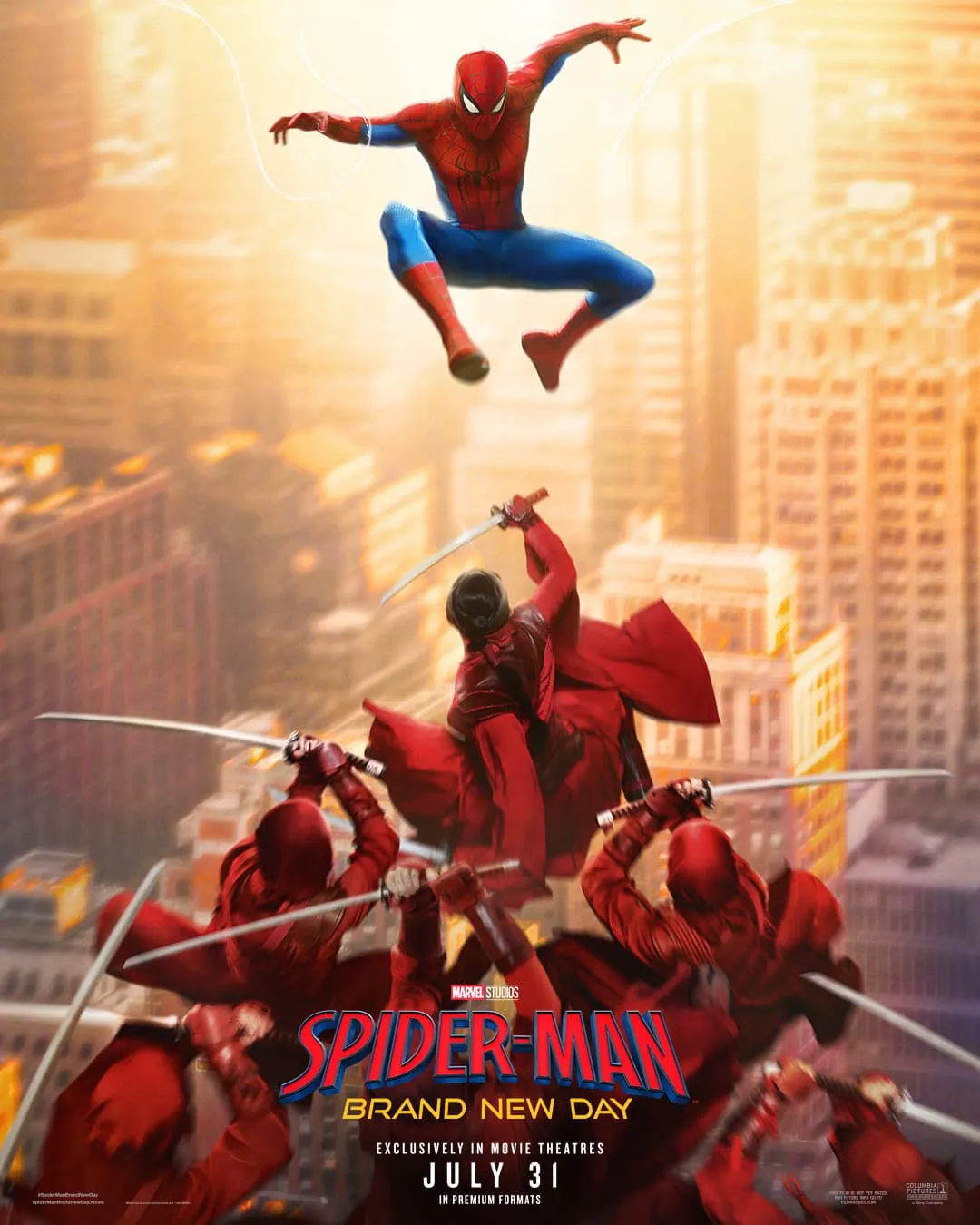
Destin Daniel Cretton, who directed this film, actually utilizes colors and shadows to his advantage, which is a wonderful change of pace. His vision of New York City is much more interesting to look at, utilizing colorful buildings, cluttered spaces and scores of extras to create a more chaotic Manhattan, N.Y., than previously seen in the Marvel Cinematic Universe (MCU).
While the storyline is nothing that has not been explored in other movies, and the Dark Phoenix plot is standard mediocre villain fare for the MCU, this might be Tom Holland’s finest hour as Spider-Man. He plays a character who is older and wearier, but as charming as ever. This is the down-on-his-luck Spider-Man whom audiences have been waiting for the MCU to show for years now.