

























Women’s sports have grown tremendously in recent years in American sports culture. According to ESPN, 2025 was the most-watched season in WNBA history, with numbers continuing to rise. The National Women’s Soccer League continues to expand with new franchises and rising attendance. NCAA women’s championship events are drawing record audiences and viewership numbers.
Women athletes may no longer have to wonder whether there is a future waiting for them after college. Several prominent former Ole Miss athletes are leading the charge for women’s professional sports leagues this year.
For decades, women’s sports have lived in a space of conditional support. Some fans showed up, but leagues struggled. Success always felt fragile; sponsorships and leagues were short-lived.
One such example was the Canadian Women’s Hockey League. After operating for 10 years, the league began to pay its players in 2017 but disbanded just two years afterward.
Now, for the first time, the foundation for professional women’s sports leagues feels real and permanent. One of the biggest reasons is simple: There are more doors open than ever before.
Professional opportunities are no longer limited to just basketball and soccer, where former Ole Miss athletes such as Shakira Austin and Rafaelle Souza have found success, respectively. The WNBA and NWSL are home to some of the richest and most famous women athletes, yet they are no longer the only prominent women’s leagues.
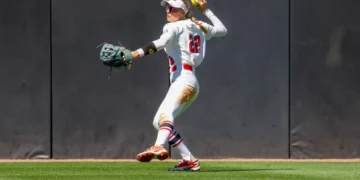
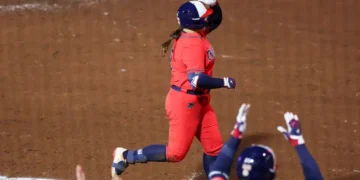
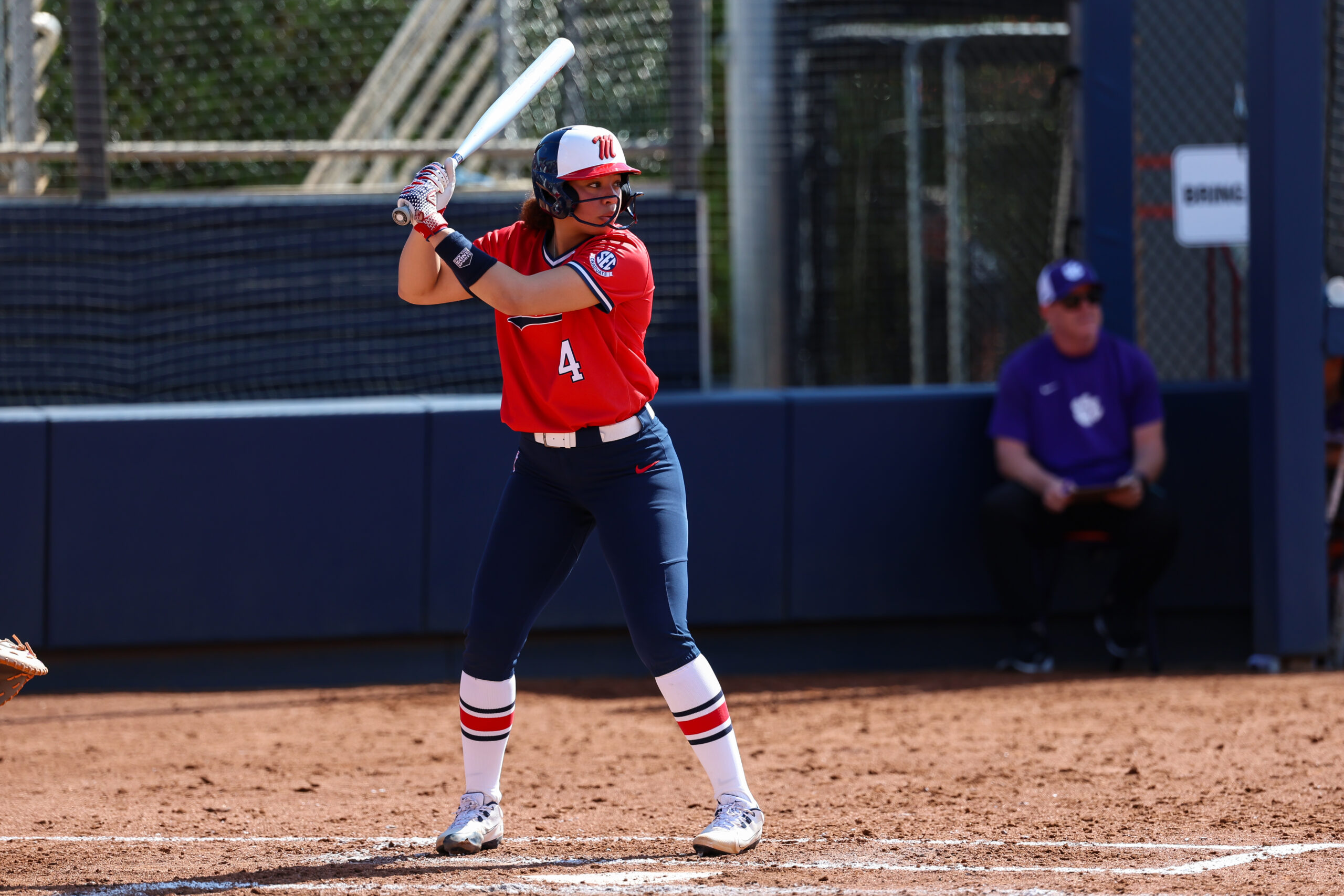
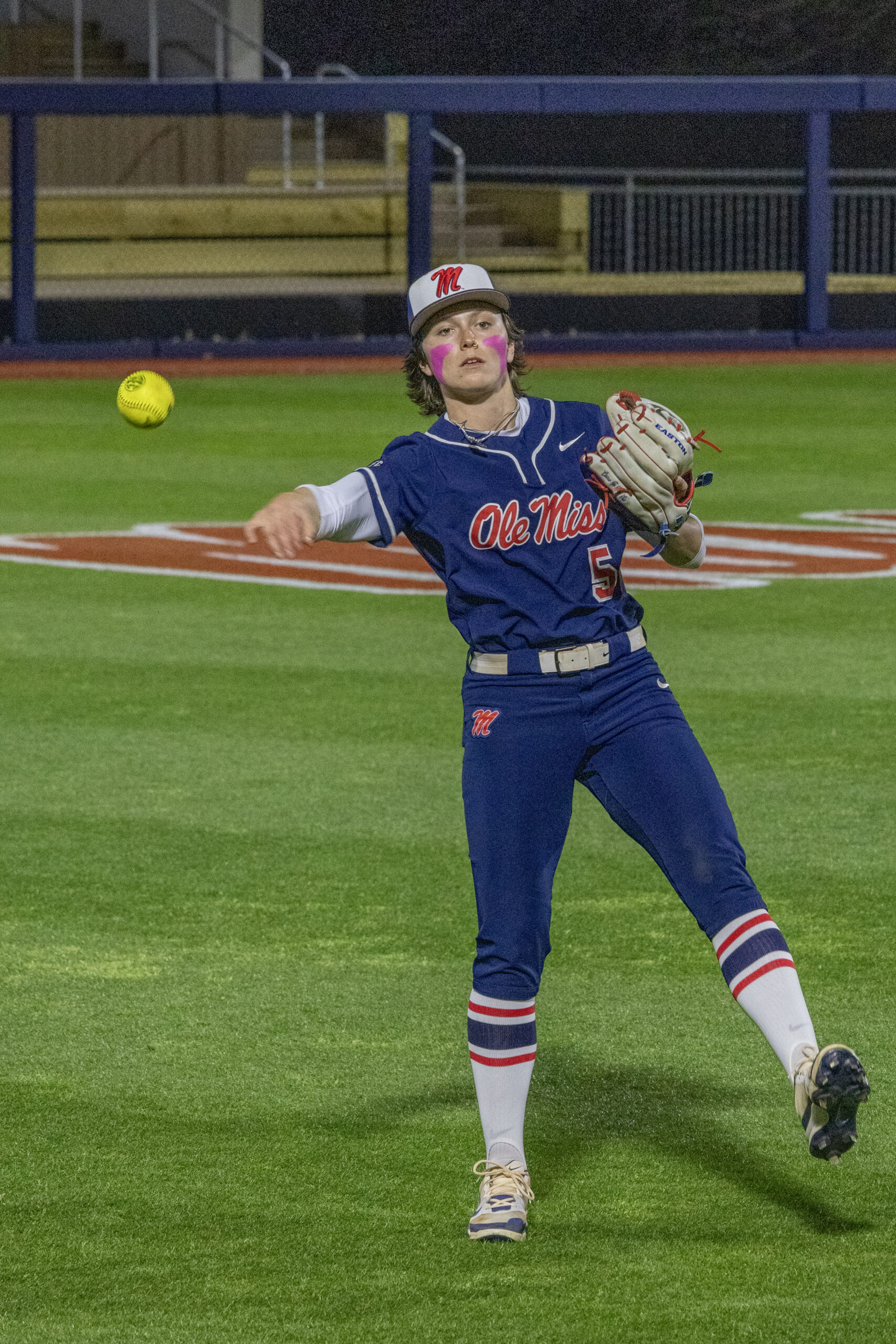
Professional women’s leagues are rising in other sports including hockey, volleyball, softball and baseball. Two former Lady Rebel softball players, Aliyah Binford and Ashton Lansdell, are part of new softball and baseball leagues.
Teams from the Athletes Unlimited Softball League (AUSL) are drafting some of the biggest stars from championship NCAA teams, including Binford, the No. 24 overall pick in the 2025 AUSL Draft, who helped guide the Ole Miss Softball team to the World Series last spring.
Lansdell, also a member of 2025’s Women’s College World Series team, was drafted No. 7 overall in the new Women’s Pro Baseball League — the first pro baseball league for women in the U.S. in 70 years.
“This is a worldwide league for any and all girls who have ever dreamed of playing baseball for a living,” Lansdell said on Instagram. “This is a huge step for women in sports and an even bigger stride for the game of baseball.”
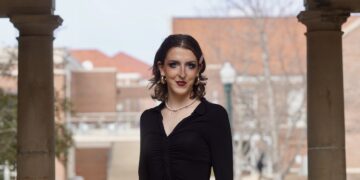
League One Volleyball (LOVB) is starting its second season after one of the most-watched NCAA volleyball championships ever. Ole Miss Volleyball star Cammy Niesen spoke about the path to the pros for women’s volleyball players in a July interview with The Daily Mississippian.
“Even before the American league (LOVB) started coming out, I’ve always wanted to play past college. Obviously, the route was a little different. You still can go the international route,” Niesen said. “But with the rise of these leagues, staying in the States would be awesome. My family could get to come to games, and from what I’ve learned about those leagues, it seems like a much more stable actual job housing-wise, income-wise. … I think it definitely would be something I’m interested in.”
Additionally, the Professional Women’s Hockey League is booming as teams prepare to send their brightest stars to Italy for the 2026 Olympics.
Women athletes are also starting to see career options that mirror the variety male athletes have always had. They are no longer choosing between what country or league to play in, or if they should just get another job that makes more money. They can continue their career from college to the drafts like men always have — and become household names in the process.
This change has major implications. It shifts how young athletes dream, how teams invest and recruit and how colleges develop players.
Women athletes today are recognizable beyond their sport like never before. They are marketable, followed, discussed and idolized. WNBA stars, soccer icons, softball aces and volleyball standouts now occupy a similar cultural space as male athletes.
These athletes are finally beginning to earn in ways that reflect their value. Salaries are rising, collective bargaining agreements are evolving and revenue sharing is entering conversations that once excluded women entirely. NIL has created pipelines from college to professional markets.
From commercials, campaigns, signature shoe deals and partnerships with global companies, women athletes are no longer winning fans over to the broad, vague premise of “women’s sports.” Instead, they are rallying support for themselves — their abilities, their personalities and their identities.
Even ownership has shifted. Big donors and influential figures are now investing directly in women’s leagues. Ole Miss alum Eli Manning’s ownership stake in the NWSL’s reigning champion Gotham FC is one example of how respected sports figures now see women’s leagues as valuable business ventures, not charity projects.
While enormous strides have been made, there is still much work to be done.
Women athletes still earn less than their male counterparts. Media coverage still favors men. Facilities, resources and investments are not equal across the board — though recent state of the art facilities constructed for the WNBA’s Seattle Storm and Las Vegas Aces have certainly caught attention.
For women, careers are shorter and opportunities are fewer. Still, while progress does not mean perfection, the momentum of women’s pro sports is beginning to feel sustainable.
What makes this era special is more than just the success? It is the confidence behind it. Women athletes are no longer begging for attention. Instead, they expect it, and they perform at a level that justifies every bit of it.
That shift in mindset may be the most important change of all. Women’s professional sports are no longer waiting for legitimacy. They are defining their own era. Athletes from schools like Ole Miss are not watching this movement from a distance; they are leading the charge.