












The Oxford Film Festival will kick off on Feb. 26, marking its 23rd year of celebrating independent cinema. Held annually over one weekend in Oxford, the festival showcases films from around the globe, highlighting both established producers and emerging filmmakers.
Thursday night, Feb. 26, the festival will open at 4:30 p.m., featuring “Cole: Bridge to Justice,” followed by a discussion with Donald Ray Cole, member of the Ole Miss 8 and retired associate professor of mathematics, and adjunct professor of law instruction Barbara Phillips. The screening will be followed by a question-and-answer session with the filmmaking team.
This year’s lineup features 97 films spanning narratives, documentaries, shorts and music videos, according to artistic director Becca Finley, who leads the programming team and oversees the festival’s live theater experiences.
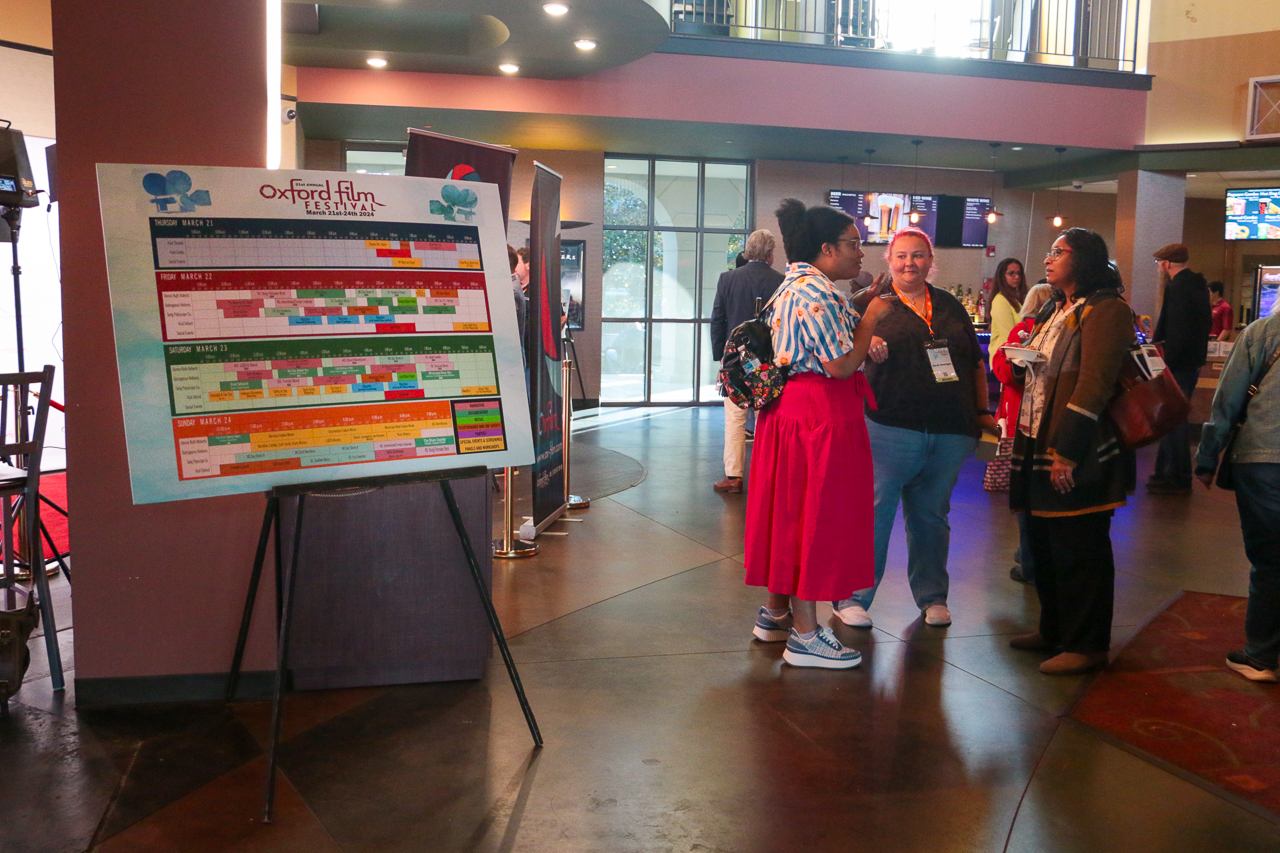
Each year, the festival curates a wide variety of films, from music videos and short films to full-length features. Organizers emphasize values rooted in community, diversity, artistic development and independent filmmaking.
“We have films about prisoners combined with what would be TED Talks, and then there are films addressing issues that are a little controversial, like having the right to die gracefully. And then there’s some history documentaries,” Finley said.
Many of the festival’s selections confront difficult topics, often in unexpected ways. Rather than presenting hardship through a purely somber lens, several films blend humor, resilience and personal agency to offer audiences a more complex emotional experience.
“We have a short film that’s funny, but it’s about breast cancer and someone has a mastectomy and has a party and funeral for that, versus being sad,” Finley said.
Filmmakers from across the world submit their work each year, with selected films representing international artists and creators from across the country, including the University of Mississippi. This year’s festival will also welcome Tony and Emmy Award-nominated actress Tovah Feldshuh, who will receive the festival’s Icon Award.
“We really want to start paying attention to people who have long-storied careers but possibly aren’t as flashy and known as other artists, and really highlight them,” Finley said.
The festival hosts volunteer programs, workshops, high school field trips and screenings designed to engage audiences of all ages and create a deeper appreciation for independent film.
“There are workshops in the morning, and there’s giving back and advocacy work,” Finley said. “There are recovery panels that show you ways to cope with anxiety and other issues like that.”
The UM community plays a role in the festival, with students participating as filmmakers, volunteers and audience members. The event creates opportunities for students to connect, collaborate and support one another through their shared interest in film.
“You get to support other students and see what people your own age are doing and working on and what they’re interested in and it could inspire you to do your own thing,” Finley said.
Behind the scenes, a group works over eight months to plan the festival, receiving submissions and narrowing down selections for the coming year, as well as honorable mentions.
“It’s about an eight-month process of people submitting films varying in length from one minute to three hours, and a team of about five people watching, discussing and ultimately coming together to provide feedback … to talk through which films make a cohesive theme for the festival that we highly focus on transformative experiences in the process,” Finley said.
Finley credits Greta Koshenina, Trent Farrington, Steve Crainich and Blanca Del Loco for their efforts in bringing this program together. These four highlighted “Meta Take One” as their top film this year.
“I’m really proud of the work that … the four of our programmers have done,” Finley said. “(They did) a ton of work to curate and think about our audiences, and that there is something for everyone of every age.”
Finley has found that a love of film can bring the Oxford and larger communities together to appreciate film art beyond what we can experience in our own homes.
“You can watch something on your phone, but there is nothing like sitting with creators in a space and watching it and experiencing a movie with other people who were in it or lived it, to talk about it,” Finley said.