





























Current NCAA rules grant student-athletes in good academic standing four seasons of eligibility over a five-calendar year period. However, student-athletes have recently turned to the courts in search of a fifth year of eligibility.
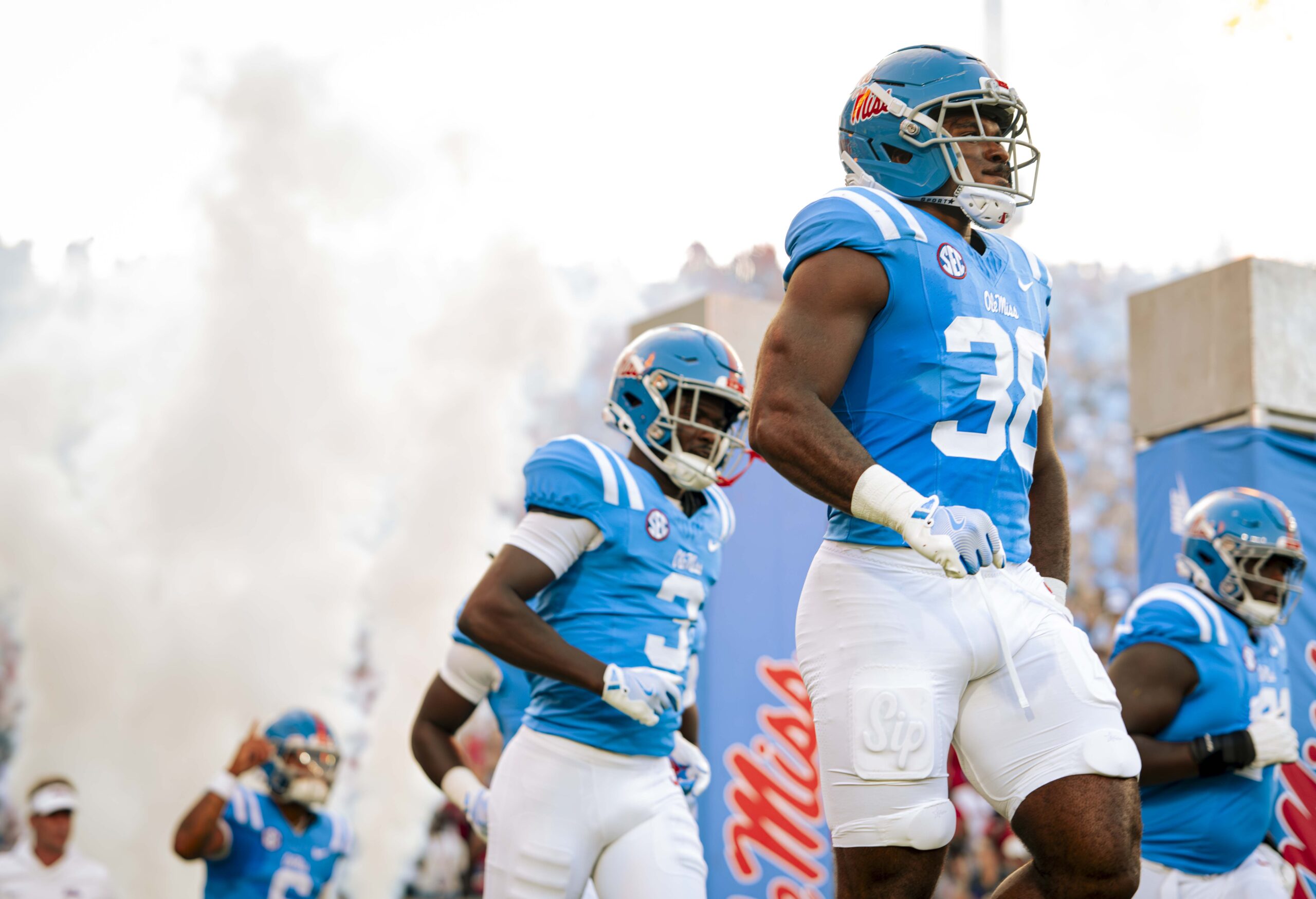
A fifth year can lead to positive impacts for many student-athletes, including ones at Ole Miss, such as Tyler Banks, who is in his fourth year. An additional year means more opportunities to profit from Name, Image and Likeness deals and more time to develop as players and increase draft stock.
The NCAA has been considering adding a fifth year since September 2024. Now, with extensive pressure from various lawsuits, the addition of a fifth year of eligibility is a real possibility in the near future.
The NCAA proposed a “5-in-5” rule, which would grant student-athletes the ability to play five seasons in five years; however, that will likely be delayed because a timeline has not been established.
“The thing about it is you hear something different every week,” Nebraska Men’s Basketball head coach Fred Hoiberg said according to CBS Sports. “The last we heard, it’s probably not going to happen this year, but it may happen in the future.”
Because of this uncertainty, coaches have to plan future roster construction without knowing whether their seniors can return.
According to current rules, football players who log snaps in four games or less in a season are eligible to redshirt, which means that season is not counted toward their four years of eligibility. Wrestling student-athletes can compete in up to five events and maintain their eligibility. However, those rules are unique to those two sports and do not apply to other NCAA sports.
Several student athletes have filed lawsuits against the NCAA in hopes of gaining another year of eligibility. Some of the most prominent are Fourqurean v. NCAA, Elad v. NCAA and Zeigler v. NCAA.
In the most recent case, Patterson v. NCAA, Vanderbilt football players Langston Patterson, Issa Ouattara and 10 other plaintiffs filed a class-action lawsuit in September against the NCAA to extend student-athletes’ eligibility to five years.
“We’re not challenging the five year (limit),” co-lead attorney on Patterson v. NCAA Ryan Downtown said in a statement. “The question is, why do players have to spend one of those five years sitting on the bench? How does that further any of the NCAA’s goal of moving players toward graduation?”
The NCAA stated that it is standing firm on the rules.
“The NCAA stands by its eligibility rules, including the five-year rule, which enable student-athletes to access the life-changing opportunity to be a student-athlete,” an NCAA spokesperson said in a statement. “The NCAA is making changes to modernize college sports, but attempts to dismantle widely supported academic requirements can only be addressed by partnering with Congress.”
In Fourqurean v. NCAA, former Wisconsin football player Nyzier Fourqurean requested an immediate injunctive relief, a court-ordered remedy that forces a party to do, or stop doing, a specific action, in January 2025. This would have prevented the NCAA from enforcing the five-year rule. Fourqurean cited his time as a Division II player should not count toward his Division I eligibility.
The district court approved his injunction; however, it was overturned by the 7th U.S. Circuit Court of Appeals. The court found that “Fourqurean had not met the evidentiary burden required for preliminary injunction, as he had not shown sufficient evidence of anticompetitive effects on a relevant market.”
That case is ongoing, and Fourqurean is still seeking a preliminary injunction in a different court.
Similarly, in Elad v. NCAA, Jett Elad, a current Rutgers football player, is seeking an additional year of eligibility. He is challenging the NCAA five-year rule that counts time spent at junior colleges against student-athletes’ eligibility.
In Zeigler v. NCAA, Tennessee basketball player Zakai Zeigler argued that, because student-athletes are allowed to be on campus for five years, they should be granted five seasons of eligibility. However, the court denied his preliminary injunction.
Zeigler planned on appealing the denial, but he recently dismissed the appeal before it was filed.
All of these lawsuits follow in the footsteps of Pavia v. NCAA. A year ago, Vanderbilt quarterback Diego Pavia sued the NCAA for reducing the number of seasons that junior college players can compete at the DI level. The judge ruled that he should be allowed to play this season, and Pavia is currently in his sixth year of college football. Now, the discussion on the limits of eligibility is in full swing.