
























For the international students enrolled in graduate programs at the University of Mississippi, the graduate school experience may differ from that of students with a domestic background.
International students first encounter UM in a variety of ways.
For Philimon Lutanjuka, a doctoral student in applied linguistics and teacher of English to speakers of other languages (TESOL) from Dar es Salaam, Tanzania, a combination of academic prestige and a welcoming environment influenced his decision to choose Mississippi as his next home.
“I first came to Ole Miss in 2020 as a Fulbright Foreign Language Teaching Assistant, a program sponsored by the U.S. Department of State,” Lutanjuka said. “My decision … was motivated by the academic strength of its applied linguistics and second language studies programs, as well as the mentorship I received during my Fulbright year,” Lutanjuka said.
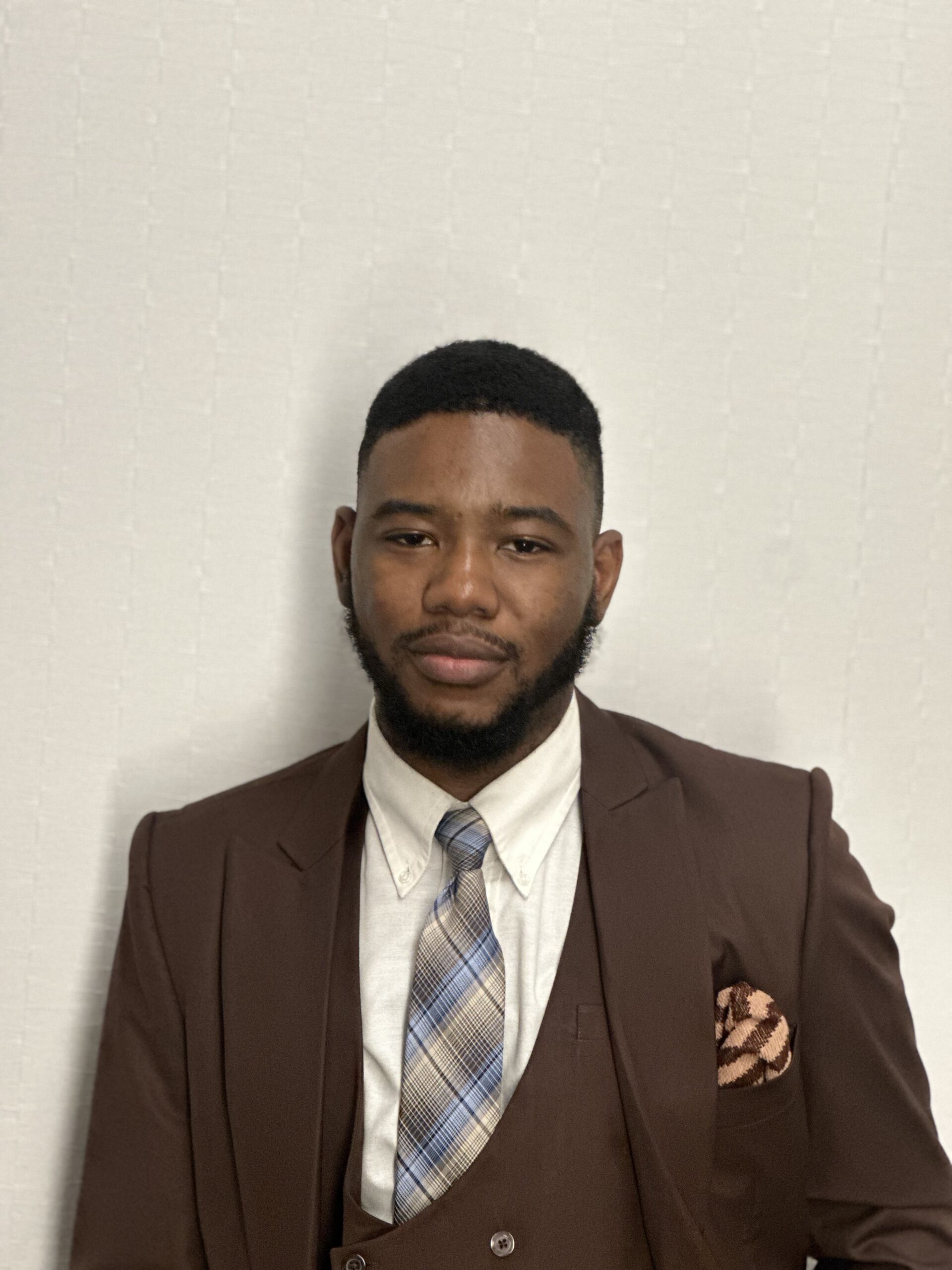
Samuel Agboola, a doctoral criminal justice policy studies student from Osun State, Nigeria, says the prestige of UM’s program stood out to him without even stepping foot on campus.
“I first learned about Ole Miss through an online search while looking for top criminology and criminal justice programs in the United States. Ole Miss ranked fairly well, so I added it to my
shortlist of schools to apply to,” Agboola said. “The criminal justice program at Ole Miss is relatively new and rapidly growing. During my research, I discovered that it ranked among the top five in the United States for faculty article productivity between 2015 and 2021.”
It was ultimately a personal connection to the university that solidified Agboola’s choice to attend the university.
“My cousin was a graduate student (here) at the time,” Agboola said. “He told me about the university, its large international community and the welcoming environment. Knowing he was already there made me feel it would be easier to settle in.”
Many international students feel that building community is a key factor in settling in.
For Sally Farah, a doctoral student of applied linguistics and TESOL from Alexandria, Egypt, participating in organizations and getting involved in the Oxford community helped with the initial novelty of her situation.
“What helped me adjust were the student organizations and community engagement opportunities. I attended events with groups like the International Guest House and Better Together, other campus events and got involved in activities organized by the Office of Engagement and ISSS (International Student and Scholar Services),” Farah said. “Meeting friendly people, participating in events and exploring Oxford and the surrounding areas made me feel more at home, even if I’m still in the process of fully settling in.”
Having appreciated the existing networks of community on campus, Farah has taken the initiative to create more programs for outreach and community.
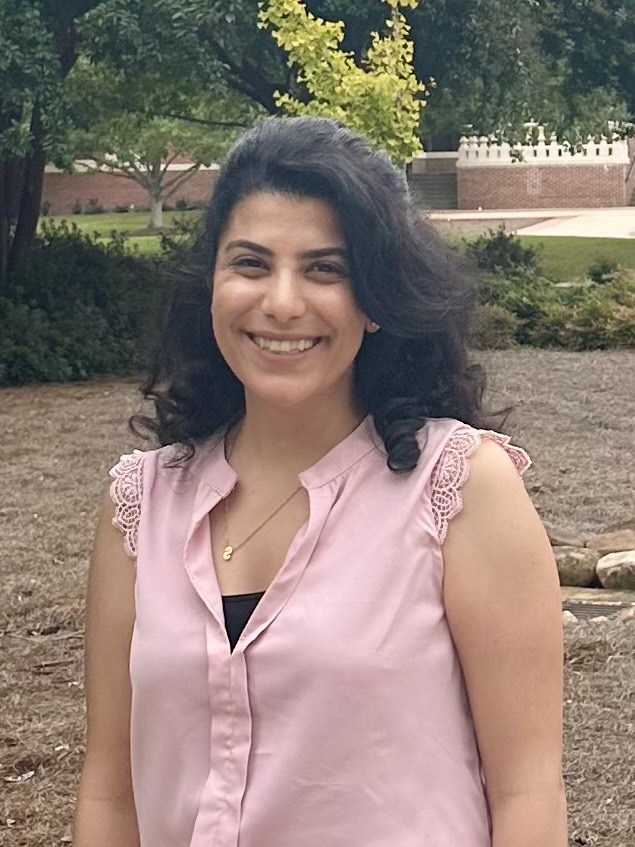
“I’m coordinating Arabic cultural events by surveying students about their interests and planning activities that reflect what they want to take part in,” Farah said. “I also created a WhatsApp group for first-year PhD students in my program. Since we don’t all take the same classes, communication was fragmented, and some students felt isolated. The group now serves as a space to share announcements, ask questions and support each other. It’s a small step, but I believe it’s already making a difference in building community.”
With this firm foundation, international students at the university have made some big strides in their fields.
“In terms of academic contributions, I have presented at conferences such as the Mississippi Foreign Languages Association (MFLA) Conference in 2024, the African Languages Teachers Association (ALTA),” Lutanjuka said. “I am currently working on a publication … which compares Kenyan, Tanzanian and Congolese Swahili communities in the United States.”
Agboola was thrilled his accomplishments were acknowledged by his academic department.
“During my time at Ole Miss, I have had two articles published in reputable criminology and public health journals, with a couple more manuscripts currently under review,” Agboola said. “Earlier this year, I received the School of Applied Sciences Outstanding Master’s Student in Criminal Justice Award.”
For Agboola, even the minute details and everyday mannerisms of the Oxford community make him feel welcome.
“I was … struck by the kindness of people on campus,” Agboola said. “Small gestures, like someone holding the door open or offering a quick smile, reminded me of the sense of community I was used to back home. Within my department, I felt right at home as well. The professors were welcoming and supportive, and having an international professor from Africa, who shared some similar experiences, made my transition even easier.”