




























Kacey Musgraves released her sixth studio album, “Middle of Nowhere,” on May 1. In typical Musgraves fashion, the record blends both country and non-country elements that reflect her East Texas roots while recognizing her progressive mindset. The album, Musgraves told Texas Monthly, is the product of introspection after “a really ridiculous breakup.”
Musgraves released the record’s lead single “Dry Spell” in March. The song muses about a lonely period in her life and is filled with cheeky innuendos like “ain’t nobody’s tool up in my shed.” The vibes are markedly different from Musgraves’ previous hits. “Dry Spell” exudes a Western, cowboy-like sound with its blend of electric and acoustic guitars.
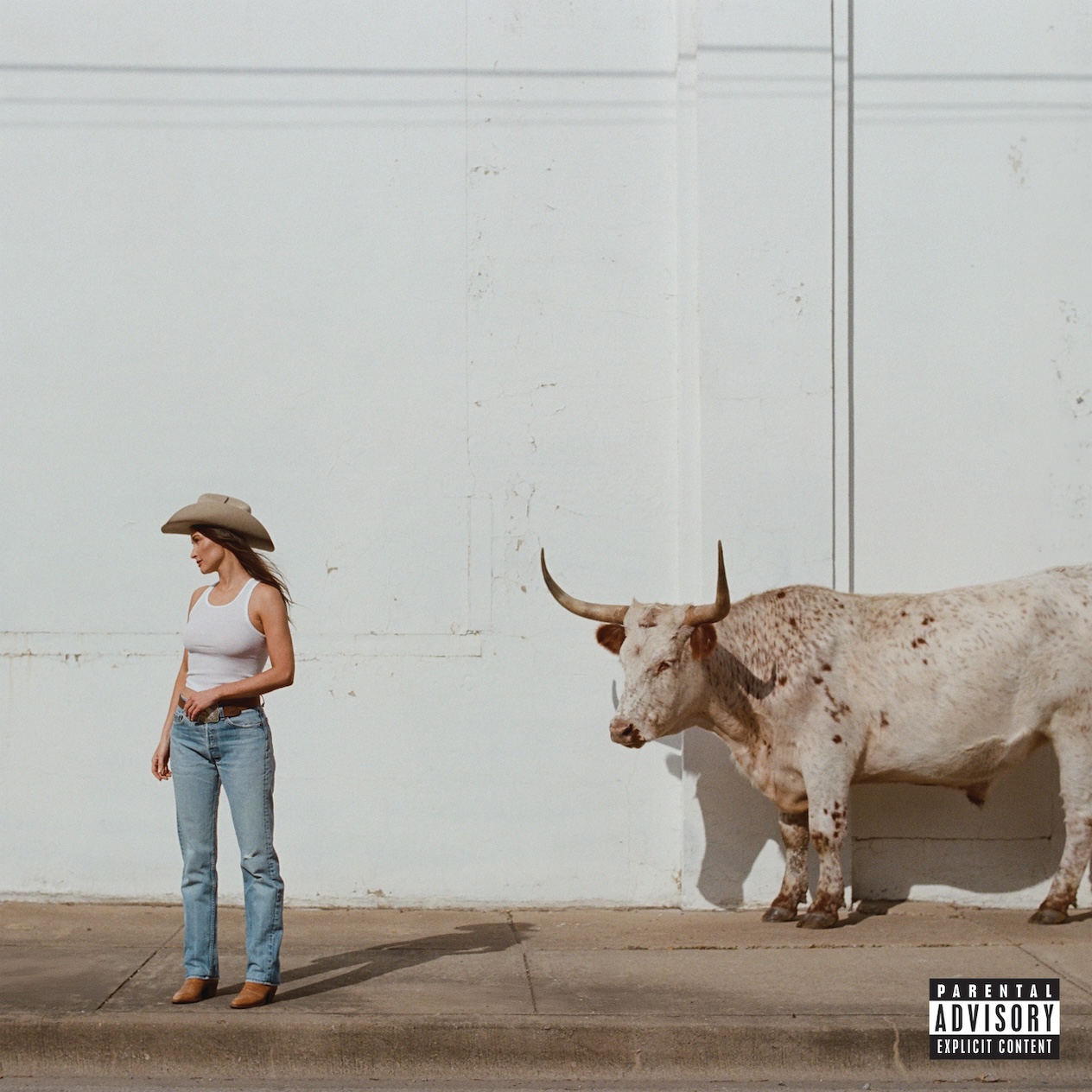
“Middle of Nowhere’s” lead single and album cover teased a record with a Western theme reminiscent of the Texas borderlands. In promotion events and interviews, Musgraves has donned a new cowgirl style. In fact, she told Apple Music’s Zane Lowe that the record would “explore where country music meets some of those regional Mexican sounds.”
However, this is an influence that does not stretch far beyond the album’s instrumental choices.
The lyrics on “Middle of Nowhere” are reminiscent of Musgraves’ more recent albums, like “Golden Hour” and “Star-Crossed.” The rhythms, on the other hand, are reminiscent of her earlier, country-heavy albums like “Same Trailer, Different Park” and “Pageant Material.” There is nothing necessarily bad about Musgraves using tried-and-true recipes for her songs, but listeners should not expect a radically new sound or aesthetic from “Middle of Nowhere.”
“Coyote,” which features indie artist Gregory Alan Isakov, is a stand-out song on the album. The track reminds listeners of why Musgraves’ music feels so comforting. Her lyrics paint beautiful parallels between the untamed wildlife of the South and a toxic romance, singing “you’re only gonna hurt yourself holding out your hand.”
Musgraves doesn’t have to consult a thesaurus for pretentious adjectives to form an image in her listeners’ heads. Instead, she relies on simple lyrics, smooth vocals and a Southern drawl to convey her messages — a talent to witness in full throughout “Middle of Nowhere.”
“Back On The Wagon” also represents a high-point for the record. The upbeat rhythm and purposefully naïve lyrics harken back to the days of “Pageant Material,” Musgraves’ second studio album. It is also catchy, which doesn’t hurt.
A disappointing feature of this album, however, is the lack of variety from song-to-song. Many of them blend together, which, in part, is the sum of its forgettable bridges. “Rhinestoned,” for example, lacks variety between the verses, chorus and bridge, which hurts the song’s ability to stand alone as more than background music.
The Mexican-inspired, mariachi-like sounds Musgraves promised are prominent in “Horses and Divorces.” Musgraves reconciles her grievances with fellow-East-Texas singer Miranda Lambert that emerged over Musgraves’ reluctance to let Lambert record the song “Mama’s Broken Heart.” However, the specificity of “Horses and Divorces” to the Musgraves-Lambert friendship arc makes it hard for listeners to relate to or apply to their own lives.
“Middle of Nowhere” seems to serve as a moment of reflection and reprieve for the singer. In a time of personal hardship, this record is an artistic outlet for Musgraves to rediscover herself rather than a Grammy magnet. She remains a skilled songwriter, but this record is not written at the level of “Golden Hour,” for which Musgraves won the Grammy for “Album of the Year” in 2019.
Still, “Middle of Nowhere” does not have to be revolutionary. It accomplishes the soul-searching that Musgraves wanted. Listeners with an appreciation for the laid-back sound of Musgraves’ music will find exactly what they are searching for in her new album.