
















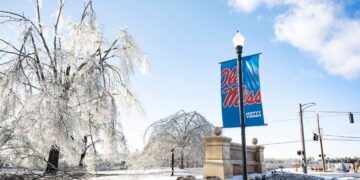
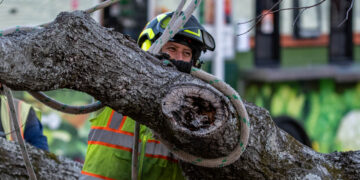
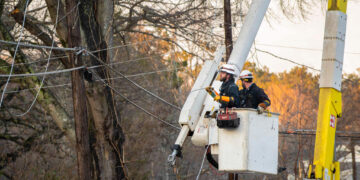




It is not every semester that students get an impromptu two-week break from school due to a historic winter storm.
So, when Winter Storm Fern wrought havoc on Oxford and forced the last-minute, prolonged closure of the University of Mississippi earlier this semester, many students feared returning because of the sheer amount of work they had missed. Debates in online forums questioned whether professors would cram a standard semester’s worth of content into a shortened timeframe or choose to skip two weeks’ worth of material.
Once power was restored and classes resumed, that decision was ultimately left to instructors. While some professors shortened syllabi altogether, others opted to squeeze the previously planned content into the shortened class schedule.
Fern caused a disruption so abrupt that members of the university’s Center for Excellence in Teaching and Learning (CETL) hosted sessions guiding faculty on how to alter instruction plans to accommodate the storm, and the group even provided one-on-one advising for professors.
Despite the university’s attempt to mitigate the impacts of the storm, some students still feel shortchanged by how their professors managed the abnormal situation — which factored into the faculty senate’s recent recommendation that the university exclude this semester’s teacher evaluations in matters of annual review, promotion and tenure. The university is still considering whether this semester’s student evaluations will be included in the faculty evaluation process.
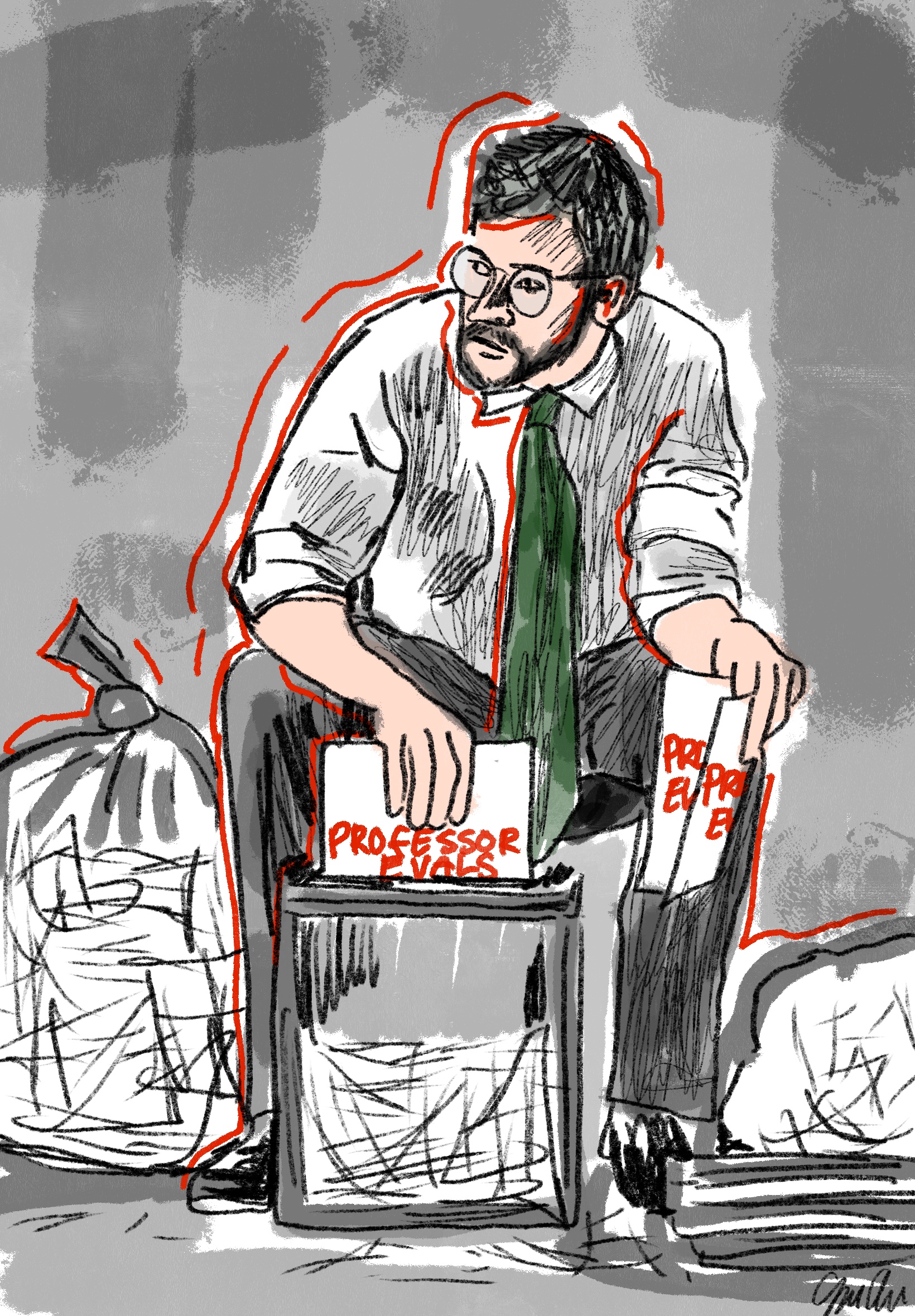
The faculty senate’s resolution states that student evaluations of instruction should “not be considered for matters of annual review, promotion or tenure decisions unless specifically allowed by the faculty member” due to the unique circumstances of Winter Storm Fern that resulted in “extraordinary tension between faculty expectation of teaching and student expectation of learning.”
This means that student reflections of instructor performance during Fern may not be regarded throughout professional advancement processes. When professors attempt to seek promotion or tenure, their actions during Fern may not be taken into consideration.
A natural disaster, however, can serve as the perfect test for teacher competency. The “tension” between instructor and student expectations could have been avoided based on how the instructor chose to respond to the condensed semester.
In an unprecedented situation like Fern, students can assess instructors’ full capabilities of adapting to sudden change. In a time when professors show their true colors, why not count teacher evaluations?
Alyssa Terrell, a senior legal studies major from Dade, Fla., said class cancellations due to weather are nothing out of the ordinary in her hometown.
“I’m from Florida, so we would miss a lot of days for hurricanes and other similar disasters,” Terrell said. “If we had weeks off for hurricanes, that didn’t mean we just got rid of teacher evaluations.”
Terrell did not agree with the resolution. If an instructor failed to efficiently adapt to the situation, Terrell argued, that should be reflected in his or her evaluations and taken into account when career-related decisions are made.
“Teacher evaluations are meant to show what kind of professors they are and how they can adapt to change in circumstance,” Terrell said. “If a professor can’t handle a bump in the road, their ability as a teacher might be affected, and they probably shouldn’t be a professor.”
On the other hand, some students understand the faculty senate’s resolution. Michael Sangster, a freshman finance major from Newnan, Ga., thought that the abbreviated schedule might lead to a higher amount of student displeasure — some of which is beyond the teacher’s control.
“When some teachers crammed the material into a day or two instead of skipping it, students probably weren’t the happiest with them,” Sangster said. “Therefore, the reviews would likely be skewed negatively.”
However, Sangster did admit that these extenuating circumstances could reveal important information about professors.
“It shows how teachers really deal with unexpected problems, though,” Sangster said. “I think that reflects their character and how they actually are as teachers and as people.”
While it may seem unfair given the severity of Fern, university instructors should be held accountable for the decisions they make in the classroom. A truly effective professor can adjust to challenges and properly lead his or her students, no matter how drastically they must change their plans.
MacKenzie McDaries is a sophomore Arabic and political science major from Murfreesboro, Tenn.