














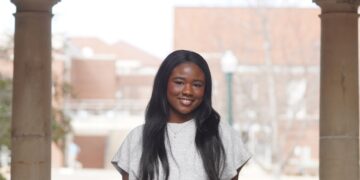












The NCAA reported that 28% of women’s college basketball players are Black as of 2025, the highest percentage among all women’s college sports. For Team 51, the Ole Miss Women’s Basketball team, this rings especially true — every player on the roster is Black.
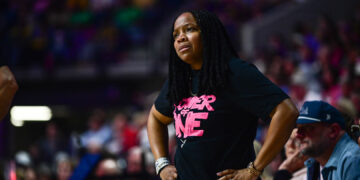
The Lady Rebel’s celebration of Black History Month starts with its leader, head coach Yolett McPhee-McCuin. Her support for Black History Month echoes down through the rest of the team.
Despite a recent tough slate of four ranked matchups in eight days, the head coach stayed committed to honoring Black History Month, specifically in the South Carolina game.
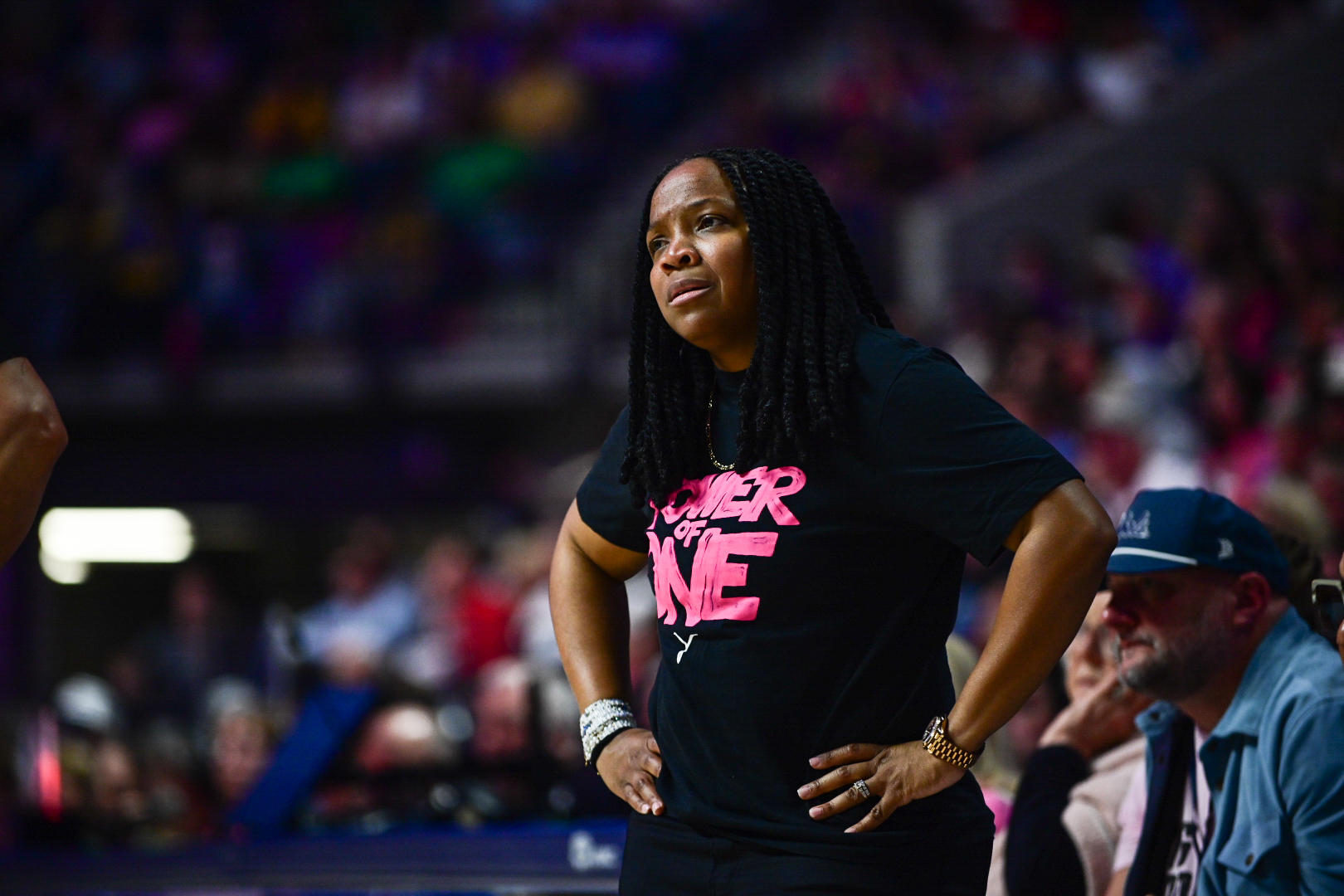
“We go to game day in Columbia, (S.C.), and Dawn (Staley) and I are the first two Black coaches to be featured on a (College GameDay), so we’ve had a lot of celebration,” McPhee-McCuin said in a press conference on Tuesday.
McPhee-McCuin made history as the first Black head coach of Ole Miss Women’s Basketball. Staley, the coach of South Carolina, is the only Black coach to win multiple national titles in women’s college basketball history.
McPhee-McCuin also looks forward to traveling to Florida, where the celebration will continue.
“We go to Florida; that’s their Black history game. So it’s been pretty cool and something that … we’re proud of to be able to celebrate,” McPhee-McCuin said.
Additionally, she appreciates the university community’s local efforts to commemorate Black History Month. Specifically, she mentioned the members of Black Greek life chapters who danced at halftime of the LSU game on Feb. 19.
“I know all of the NPHC (National Pan-Hellenic Council) members came out and performed at halftime. I really appreciate the university (supporting) that … and (shining) light on it,” McPhee-McCuin said. “That’s what Oxford is about. That’s what Ole Miss is about. We’re inclusive, and we support diversity, as well. … (There is) nothing better than being able to celebrate it for sure.”
The players look to McPhee-McCuin as a role model. McPhee-McCuin believes that coaching athletes who come from difficult backgrounds, some of whom are Black athletes, can pose unique challenges. For her, every challenge presents an opportunity to serve as a positive role model that some players lacked as children.
“When you’re a Black woman coaching Black players, it is 10 times more difficult,” McPhee-McCuin said in an interview with ESPN reporter Ari Chambers. “There are tons (of players) that come from (a) single parent. Well, there’s a lot of trauma that comes along with that. And when they come and play for an example of a mother figure, that trauma comes with them.”
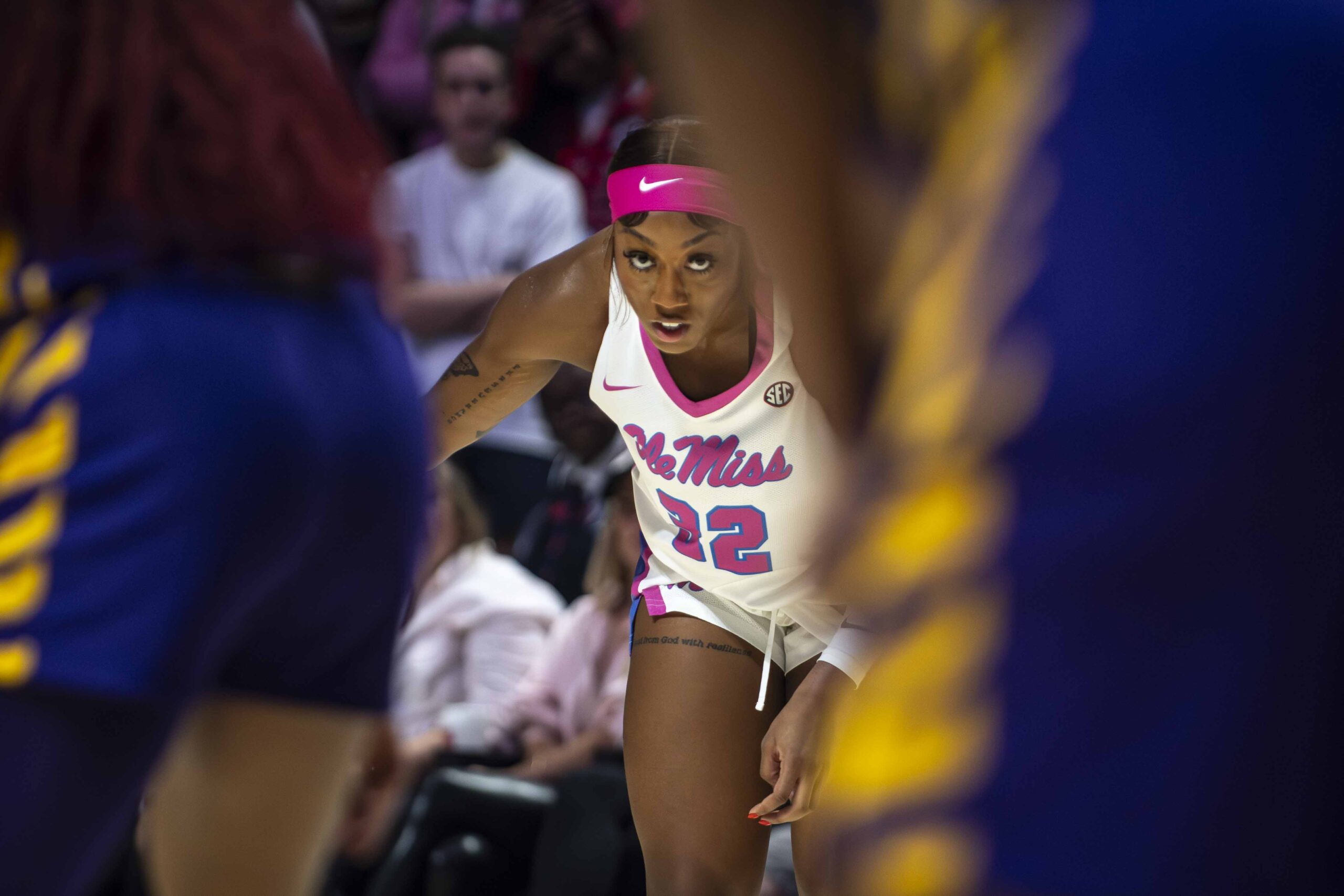
Ole Miss Forward Cotie McMahon discussed how McPhee-McCuin’s identities as a fearless leader and a Black woman are part of the reason why the team holds her in such high regard in an interview with Chambers.
“Coach Yo is the queen of misunderstood. I feel like people either love her or they hate her,” McMahon said. “I think it’s just for the simple fact that she’s a very strong, independent Black woman with a strong voice, as well.”
Though traditions honoring Black players and coaches are important, Ole Miss center Desrae Kyles said in a press conference on Tuesday that honoring Black accomplishments should not be limited to a single month. Instead, such celebrations should take place regularly and be ingrained in the fabric of Black athletes’ daily routines.
“It’s very important for us, obviously, as young Black women, but we celebrate it every day,” Kyles said. “Black history is every day for us.”