























Mississippi is the place that forever calls my name.
As a child, I believed our state was special because it was called the Magnolia State, signifying dignity and nobility. I would spend peaceful mornings fishing with my father at Sardis Lake, wander through the farmer’s market smelling the fresh flowers and baked goods with my mother and live what felt like a quintessentially Southern, small-town life.
I grew up in Hernando, Miss., where the community is strong and the population is predominantly white. While I was never made to feel less-than, I carried a quiet awareness that I was not like everyone else.
I longed to understand my place in the world. In elementary school, I began to notice that most of my classmates did not look like me. Their skin was not dark like mine. Our moms did not style our hair the same.
I also sensed that they did not feel as out of place as I did. It seemed like everyone else had learned how to socialize effortlessly, but somehow, I missed that lesson.
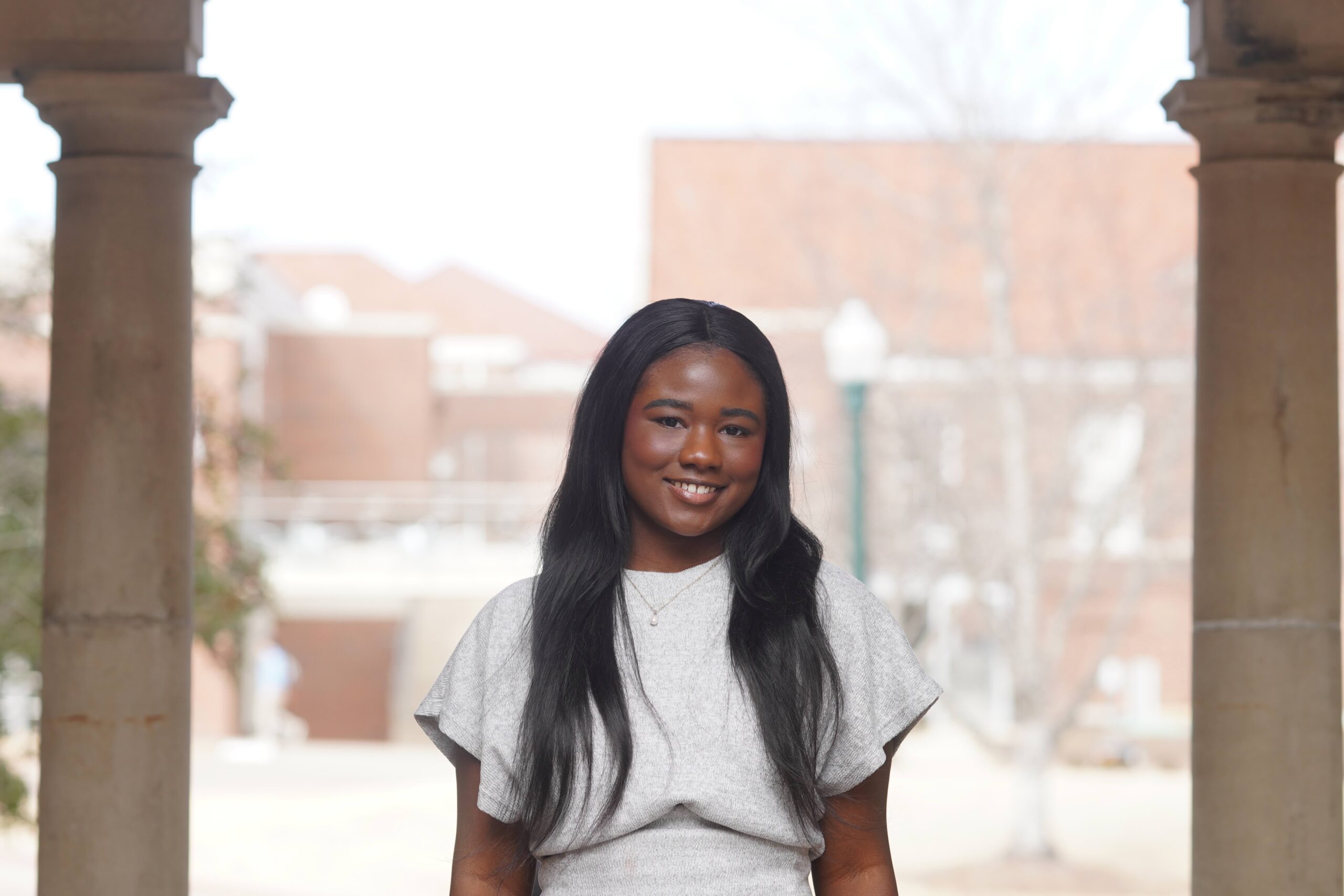
As one of the only Black girls in my classes, I was hyperaware of how I presented myself. I learned to be agreeable, soft-spoken and the “model minority.” I began to shrink myself, believing that if I could be an idealized version of myself, I would belong.
As antsy preteens tend to do, I questioned my parents, the people around me and myself. Most of all, I began questioning my Southern roots.
When I started learning more about Mississippi’s history, I felt a certain anguish in my heart that I could not verbalize. As a Black American, I struggled to understand why I was told to feel proud of a place that had once fought so hard to deny people who looked like me dignity and nobility.
I felt like I was being pulled in different directions by two of the most important parts of my identity; this place raised me but also wanted to oppress parts of who I was.
The Magnolia State no longer felt dignified and noble to me — just complicated. I dreamed of being anywhere else, so I would not have to grapple with that harsh reality.
During hot Mississippi summers, I would lie outside, letting the sun graze my skin, wondering what it would feel like to be older and be “the next great something.” I did not want to feel small anymore.
I tried everything I could to realize myself. I started to dance to build confidence. I joined speech and debate to strengthen my voice. Yet, I still felt something inside of me calling me to do something bigger than myself.
By my sophomore year of high school, I wanted to go to college in some faraway state. I was convinced I had to escape Mississippi if I ever wanted to do more.
When I finalized my Ole Miss commitment my senior year, a deep disappointment dawned. I had conditioned myself to believe that staying here meant I was settling and letting go of my dreams. Had I let myself down?
During my first year at UM, I realized that I owed it to myself to keep searching for my purpose, no matter where I was.
The best way I knew to find my way in a new community was to pour my heart into it. So, I made serving my motto. I discovered my love for community engagement and working with non-profits.
Tasked with tutoring a young girl who reminded me of myself at her age — shy, uncertain and perhaps a bit scared — I did what I wished someone did for me. I shared encouragement and lessons I wish I had known back then. Slowly, I started to rediscover the voice I had shrunk away long ago.
In uplifting my community, I found myself. The more I poured into others, the more I understood that I never needed to leave Mississippi but to invest in it. My own nobility lay in the place that ever called me.
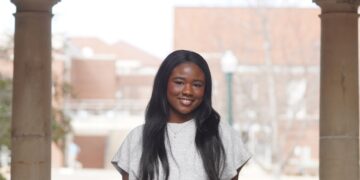
Lauren James is a sophomore integrated marketing communications major from Hernando, Miss.