























The University of Mississippi sent out an email on Sept. 22 confirming the deaths of two students. While the exact causes of the deaths are still under investigation, there has been great speculation throughout the university and Oxford communities about the role that drug use played in these tragedies.
With drug overdoses becoming an increasingly pertinent issue in the United States, especially among college students and young adults, it is crucial that students know how to take life-saving measures in the face of an emergency.
In 2025, 52% of people aged 12 or older reported using an illicit drug for recreational purposes at least once in their lifetimes. Of that number, 16.4% reported having used an illicit drug within the past month. Illicit drug use refers to the use or misuse of illegally made or acquired drugs, including those being used by someone other than the patient whom the medication was originally prescribed for.
While using illicit drugs is never 100% safe, what often turns drug use deadly comes down to one question: What else has been mixed in with the drug? Any drug not manufactured by a pharmaceutical company may be laced with lethal doses of fentanyl, a synthetic opioid that killed over 70,000 people in 2023, or another deadly substance. Even marijuana, the most prevalent drug on college campuses, can be laced.
Oxford is no stranger to the opioid epidemic, and it is not safe to engage in the use of illicit drugs, regardless of where you get them. Every student should learn what to do in the event of a drug overdose; being aware of the steps to take when an overdose occurs can often be the difference between life and death.
The first step in responding to an overdose is realizing that one is happening. Be on the lookout for blue lips or fingertips, cold skin, constricted pupils or slowed breathing, as these are all signs of drug overdose. If someone appears to be unconscious, check for response by shouting their name and tapping their arms or face.
If you recognize these symptoms and believe someone is experiencing a drug overdose, call 911 immediately.
Know that you will never be charged or prosecuted for minor drug offenses if you call for medical help during a drug- or alcohol-related emergency, per the Mississippi Medical Emergency Good Samaritan Act. Additionally, the University of Mississippi’s Safety and Well-Being Amnesty Policy protects students from formal disciplinary action when they seek emergency medical help under the same circumstances.
After calling 911, administer naloxone, commonly sold under the brand name Narcan, which is a nasal spray that rapidly reverses a life-threatening opioid overdose. It is effective against drugs such as fentanyl and heroin, as well as prescription painkillers. It is safe to use even if you are not sure what, if any, drug may have been ingested, and it is most effective immediately at the first sign of a potential overdose.
To administer Narcan, place the tip of the nozzle into one nostril and firmly press down until the medication is sprayed. A second dose may be necessary if the person does not wake up or resume normal breathing after two to three minutes.
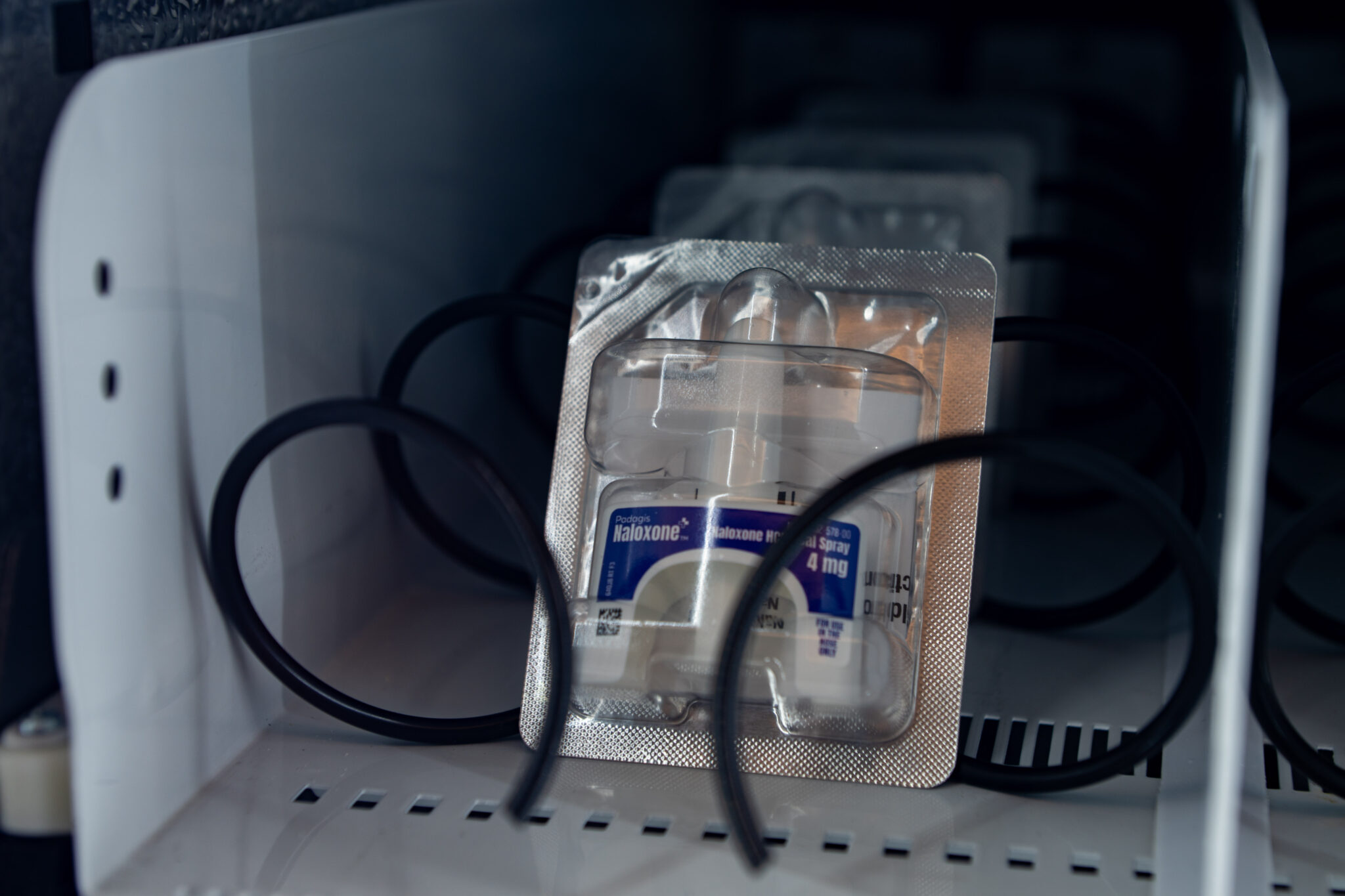
Narcan is available in vending machines located in the Gertrude C. Ford Ole Miss Student Union and the South Campus Recreation Center, as well as in emergency response boxes placed throughout the J.D. Williams Library. There is also a vending machine in the parking garage on the Square that has seen nearly 800 uses in the two months since its installation.
Those vending machines also contain fentanyl test strips, a valuable resource for verifying whether a particular drug contains fentanyl. However, be aware that even if the test strip shows that a drug is free of fentanyl, other lethal drugs, such as cychlorphine, may not be represented in the results of a test strip. Fentanyl test strips are great to use, but always proceed with caution, no matter the result of the test.
After Narcan is administered, the next step is to provide rescue breaths. With the person laying on their back, pinch the nose, lift the chin and tilt the head back, put your mouth on theirs and use your mouth to give one breath every five seconds until they are breathing on their own.
Lastly, roll the person onto their side with their head resting on an arm and their legs bent in the fetal position. This serves to keep the airway clear and prevent choking in case of vomiting or spit inhalation.
Be sure to stay with the person until emergency services arrive, even if they show signs of improvement. Narcan can wear off; the affected person may stop breathing again.
Being prepared for these situations can make an impact on someone’s life. For education, intervention and support resources regarding substance use and recovery, the William Magee Center is available to all University of Mississippi students. The William Magee Center hosts Narcan training sessions and other events promoting wellness and, over the summer, supplied Greek chapters and other student organizations with Narcan.
Always be safe. Cover your drinks at social events, and never take any pills, powders or other substances of which the origins are unknown. If you see someone in trouble, help out. Above all, support one another in this time of grief and uncertainty. During hardship, community matters.
MacKenzie McDaries is a junior sociology and Arabic major from Murfreesboro, Tenn.