






















There is perhaps nothing that has shaped the beginning of the University of Mississippi’s academic season more than the Mississippi Legislature’s recently conjured offensive of chaos against students across the state.
On April 17, Gov. Tate Reeves signed into law House Bill 1193, known colloquially as the Requiring Efficiency For Our Colleges and Universities System and Education System (REFOCUSES) Act, which comports itself as a cultural response to the rise of diversity initiatives and institutional respect for minority groups that have historically been disadvantaged by public and private institutions throughout the state.
On Aug. 17, U.S. District Judge Henry T. Wingate granted a preliminary injunction, delaying implementation of the law until the court issues another order.
The law technically includes an exemption for Registered Student Organizations on Mississippi college campuses in limits to funding Diversity, Equity and Inclusion programs, but Mississippi’s Institute of Higher Learning ruled that despite being paid by individual students through tuition money, SAF funds are “state money.”
RSOs have been absolutely crippled — the $5,000 the Student Activity Fee typically allocates to each club is being held in a state of unnecessary stasis, holding grave implications for the future of non-academic student life at UM.
From the Honors College Minority Engagement Council to the African and Caribbean Student Association and beyond, organizations are facing a crisis that is the product of political puppetry and legal incoordination.
RSOs rely heavily on SAF funds to sustain membership for a sizable chunk of participants, especially in interest organizations. RSO leaders can access SAF funding to purchase merchandise, food and materials, given certain stipulations.
The idea of trekking after a long day of classes to the Student Union for an RSO meeting is not always the most alluring for the average student; however, when organizations provide incentives, more members come and fewer leave after the first interest meeting.
Student organizations at Ole Miss have been so successful in attracting and retaining members not only because there is a culture of intellectual creativity special to this institution but also because organizations are able to provide meals, merchandise and materials for meetings that otherwise would exact burdensome personal costs upon potential members.
One of the qualities I admire so much about my university is the diversity and robustness of its extracurricular activities. Any student from anywhere can launch a RSO with plenty of passion and perhaps some blood, sweat and tears.
Seeing that there are 586 organizations listed on the ForUM website inspired me the summer before my freshman year to create an organization based on an idea that I was passionate about: reconciling historical divides between religious groups and the LGBTQ+ community, culminating in the Queer Interfaith Alliance.
I fought diligently my freshman year to build membership, recruit fellow executive board members to fulfill necessary tasks, create promo for social media and post flyers around campus. Evidently, I had the passion, but the factor that truly propelled the club in its outreach and membership was the funding we were able to procure from the SAF.
As an RSO leader, commonly shared passion is not sufficient to create a successful organization. This shared passion is not even enough to spend hours on end diligently tackling the countless complications that running a club entails.
What enabled me as an RSO founder to bring my organization’s membership from just one member (myself) to 41 members in a year was not the unwavering dogma I witnessed in the eyes of everyone who came to a meeting, it was the SAF funding we utilized to complement educational and entertaining events.
Even a brief postscript on an Instagram story that reads “catering Crumbl Cookies” attracts college students like Rebel Market-goers to the fried chicken station. The reality is RSOs are able to survive in part thanks to the free t-shirts and sweet treats they fund through SAF.
I do not speak merely for myself but also for anyone who has ever stepped into a student-run club on campus: The withholding of SAF funds to organizations whose members pay directly for said funds through tuition is a flagrant violation of student rights and morally reprehensible.
Because the state’s Republican trifecta adheres to a fanatical vision of educational policy wherein they believe student organizations that fall outside their limited confines of the American project are unworthy to receive funds, all university organizations are suffering now.
To those within the Associated Student Body who are working relentlessly with university officials and stateside bureaucratic channels, remember why you took your position — to enhance the student experience at UM.
I applaud all that are currently negotiating at any capacity to restore SAF funding to the hands of the students, where it belongs.
To those that voted to pass Mississippi House Bill 1193 and to all that support its enactment, let me be clear — I find your actions blatantly anti-American, anti-Mississippian and anti-educational.
You deny the freedom of speech through reducing avenues for students to share their voices in safe contexts.
You violate the freedom of assembly by withholding funds that facilitate the congregation of students alike in passion.
You violate the freedom of religion by withholding SAF funds from religious organizations.
We must reject any fabricated notions of sensibility HB 1193 attempts to project, realize the gravity of the state’s assault on students and restore Ole Miss to a mecca of student-centered intellectual and cultural exploration.
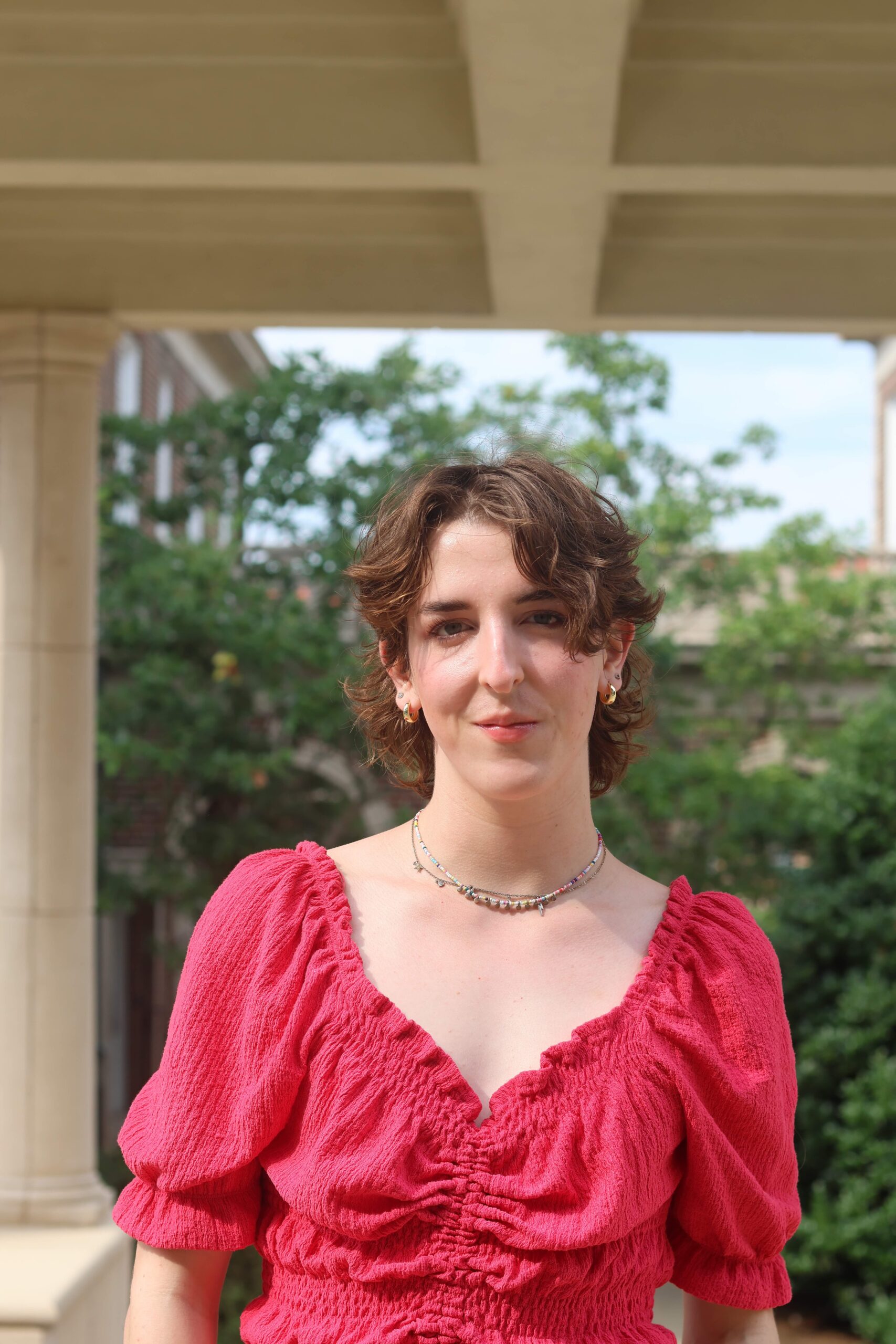
Kadin Collier is a sophomore international studies and Arabic major from Hattiesburg, Miss.