














Even in places that have long been abandoned, Mississippi’s long history of literary and artistic content creation is alive and well. On William Faulkner’s mule farm between Oxford and his birthplace in New Albany, Miss., lies Greenfield Farm, a future writer’s residency that will cultivate and support Mississippi creatives and artists.
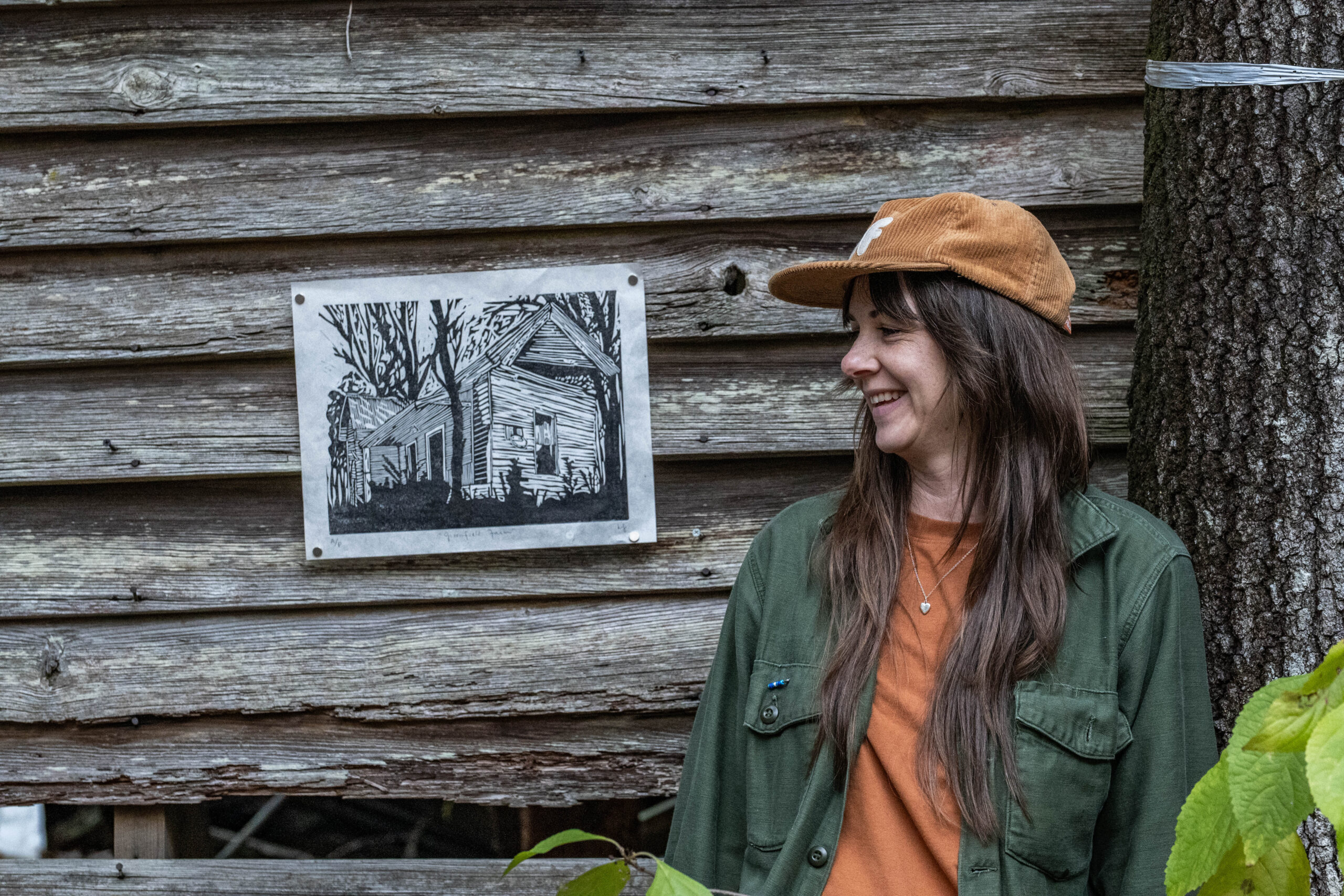
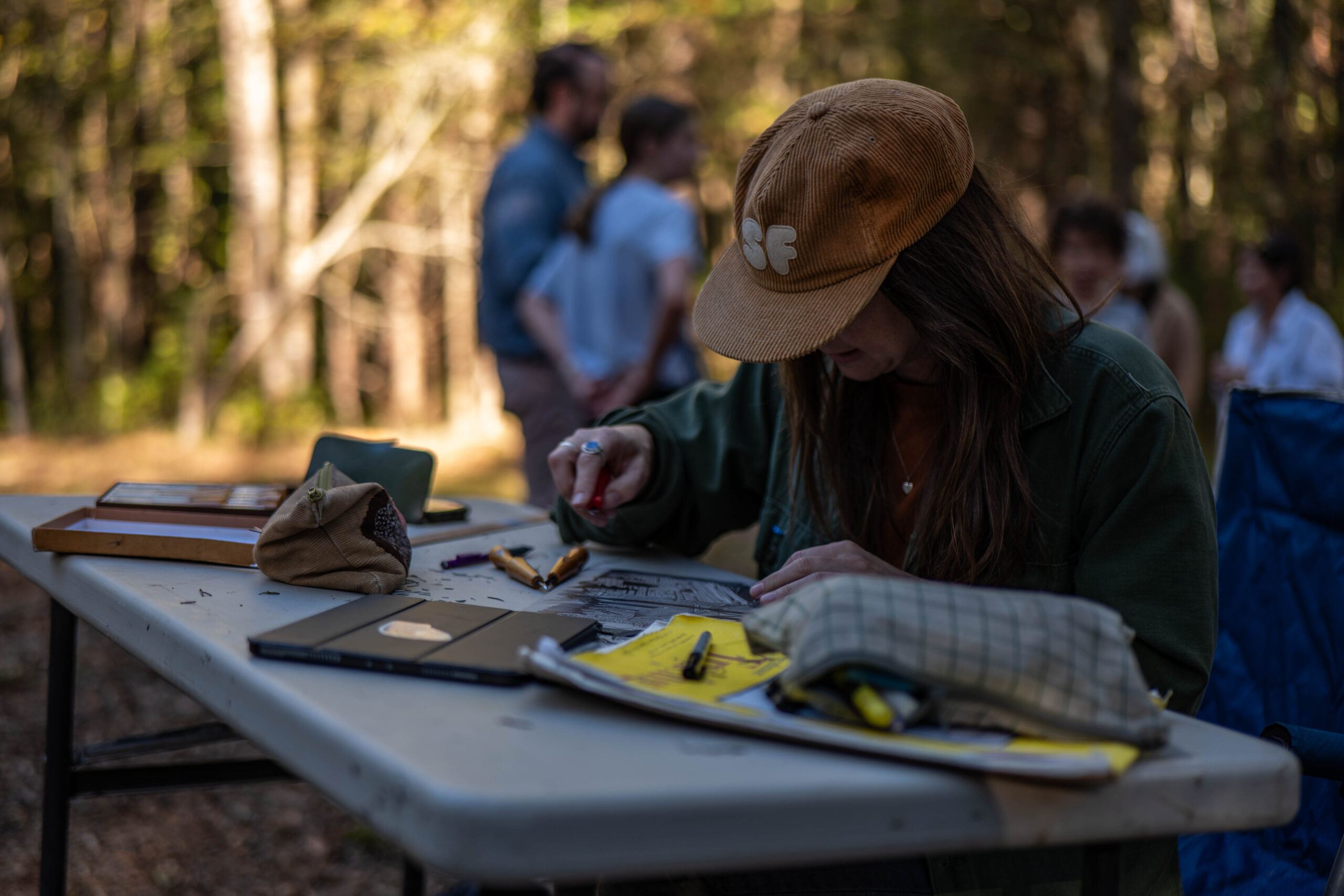
On Sunday, Oct. 19, Greenfield Farm invited 10 artists to take part in their third Plein Air Invitational. The University of Mississippi collaborated with Mississippi State University, inviting five artists from Oxford and Starkville to participate. They created artwork throughout the day on the farm for a competition, with the winner being awarded $1,000.
Greenfield Farm is a project of the Mississippi Lab at the University of Mississippi that aims to build writing facilities where the ruins of the original farmhouse stands. This includes four overnight studios and a fifth structure to serve as a communal dining and gathering space.
The Mississippi Lab is a project of the University of Mississippi that serves as a humanities lab for the state to undertake creative projects with John T. Edge and Mary Conway serving as co-directors.
This was Greenfield’s last open invitational before beginning construction. The competition had a variety of media including paintings, drawings, textiles, sculpture and photography.
Karleen Gardner, director of the University Museum and Historic Houses, served as one of the three judges for the event. She spoke of the history of the land and its inspiration for the artists.
“Falkner came out here and worked the land, but he also came here to write and create,” Gardner said. “So it’s got a real history as a creative and inspirational place,and I think a lot of the artists that I’ve talked to today are finding that inspiration here too.”
Greenfield will host 50-60 writers a year with $1,000 per week stipends. The stipends will ensure that writers can afford to take off from their full time jobs, with Greenfield aiming to remove economic barriers for all applicants.
The project has gained funding from multiple sources including the state of Mississippi, numerous foundations and individual donors.
Mike Mitchell, a fundraising supporter of the project, spoke of Mississippi’s creative heritage and the importance of nurturing the state’s future innovators.
“Mississippi has a long, deep legacy of content creation, so we need to invest in celebrating the current generation of content creators,” Mitchell said. “We need to provide the infrastructure, facilities and encouragement for the next generation of creators. This has a lot of direct impact upon the economy in Mississippi, but it also has a lot of impact upon our pride and community.”
The event concluded with a speech by Edge where he emphasized the importance of compensating artists.
“We do this work and try to model the way we wish artists to be treated in the world,” Edge said. “It’s important that artists are paid for their work, and we’ll model that at Greenfield Farm, too.”
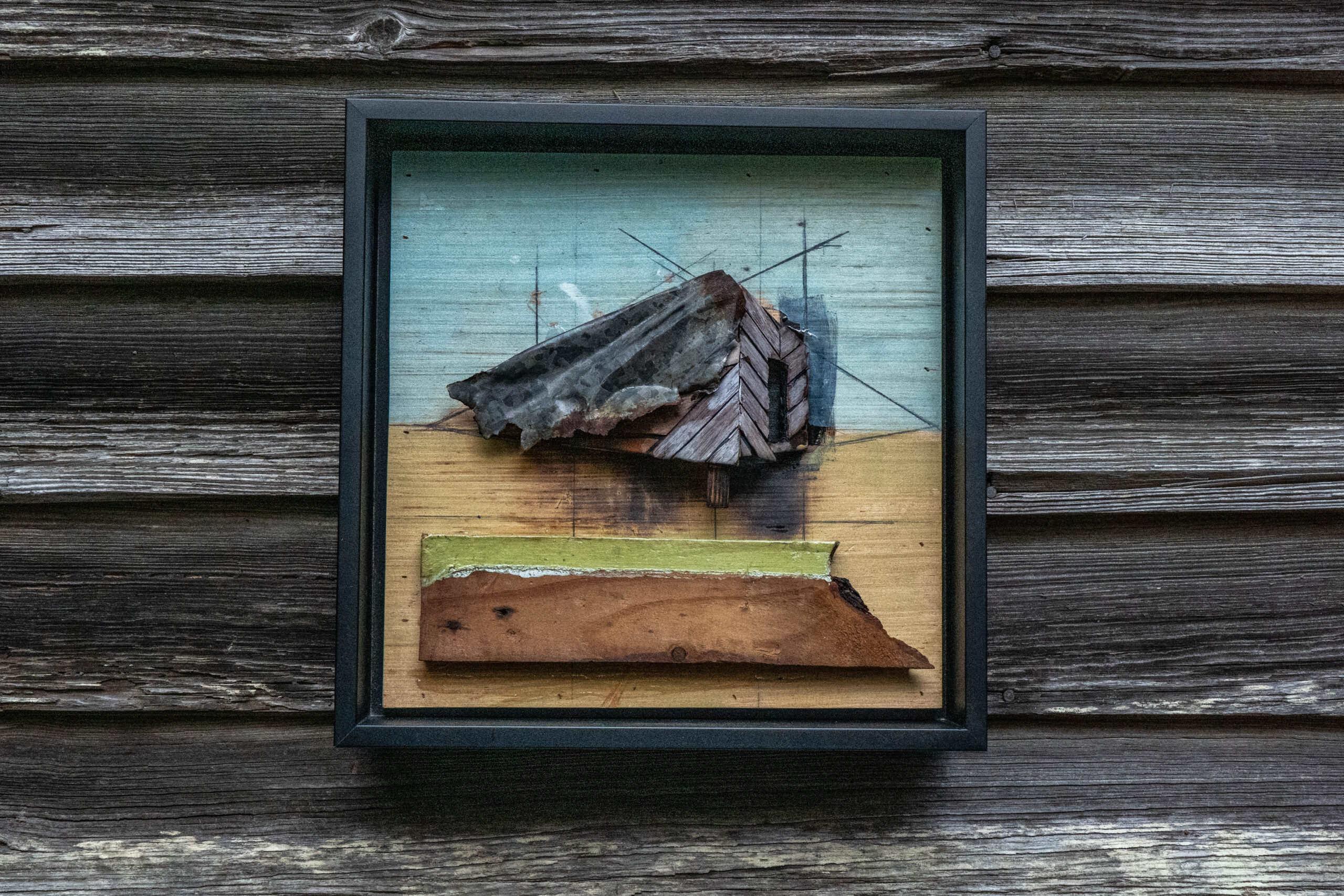
The winner of the competition was Critz Campbell, head of the Department of Art at Mississippi State University. He spoke of his piece that was created with found objects from the farm.
“It is a rendering of what’s called the corn shed, which is just down the hill here (from the farmhouse),” Campbell said. “I found a few artifacts when I got here, so I started building a little low relief structure to reflect what I was looking at.”
Dan Sloan, a senior economics major from Taylorville, Ill., spoke of commemorating the land and the farmhouse that is being torn down.
“It is absolutely fabulous to bring together so many talented artists to seal this moment in time forever, because they are going to take this down and replace it with the writers’ camp,” Sloan said. “So it’s a wonderful opportunity to lock in that memory and just celebrate everything that’s happening.”
Greenfield Farm is set to complete construction in 2026, setting the precedent as a fully funded retreat-style writers’ residency that fully supports the contribution of artists in the Deep South. More information can be found on their website.