























Guillermo Del Toro’s new film adaptation of “Frankenstein” hit Netflix last week after a brief limited theatrical release. The film follows Oscar Isaac as the titular scientist who animates a monster played by Jacob Elordi. Told from the perspective of Dr. Frankenstein before switching to his monster’s point of view, this new film emphasizes elaborate production design.
Del Toro is renowned as one of the most visually inventive filmmakers alive today. From his humble beginnings as an independent filmmaker in Mexico in the 1990s, Del Toro has always had a penchant for dark and gothic imagery. His early films, such as “The Devil’s Backbone” (2001) or “Cronos” (1992), have well-realized gothic atmospheres despite their low budgets.
In the years since, Del Toro has achieved all the success a director dreams of with numerous blockbuster successes, multiple prestigious awards, a devoted fanbase and a best picture. He has also won best director from the Academy of Motion Picture Arts and Sciences for “The Shape of Water” (2018).
His is a well-established voice, and the fact that he has a passion for Mary Shelley’s “Frankenstein” is not surprising, considering his history of delving into gothic themes.
This film is a case of a director’s style matching a certain classic work so well that it almost feels inevitable that they would make their own version of it. Del Toro loves monsters, as evidenced by the numerous supernatural creatures across his body of work, so this version of “Frankenstein” feels especially personal in a sea of adaptations of this story.
This film spends a fair bit of time portraying Victor Frankenstein becoming a father figure for the Creature. He does not immediately reject his creation, so his subsequent mistreatment of it feels like it stems from Frankenstein’s own flaws rather than fear of the Creature. This approach makes the eventual perspective switch all the more interesting.
Isaac’s portrayal of Frankenstein has attracted the most criticism from major outlets. He gives an anxious depiction of his character, and while his performance did not stick with me the way Jacob Elordi’s did, I still think he was an above average Frankenstein.
Elordi, on the other hand, completely transforms himself. This film absolutely shatters his teen drama typecast as he gives a tragic take on the Creature. Usually the monster does not speak, but in this film, he learns over the course of the runtime and gets to explain himself.
The monster’s voice is particularly excellent. The segment of the film where Elordi tells his story is heartbreaking. This adaptation plays up the father-son relationship between Frankenstein and the Creature and brings it to a bittersweet conclusion.
While I like the structure of the film and think this is a remarkably well done adaptation, I think the script has its issues. For one thing, it lacks the philosophical nuance of Shelley’s novel, instead opting to spell out the book’s subtleties.
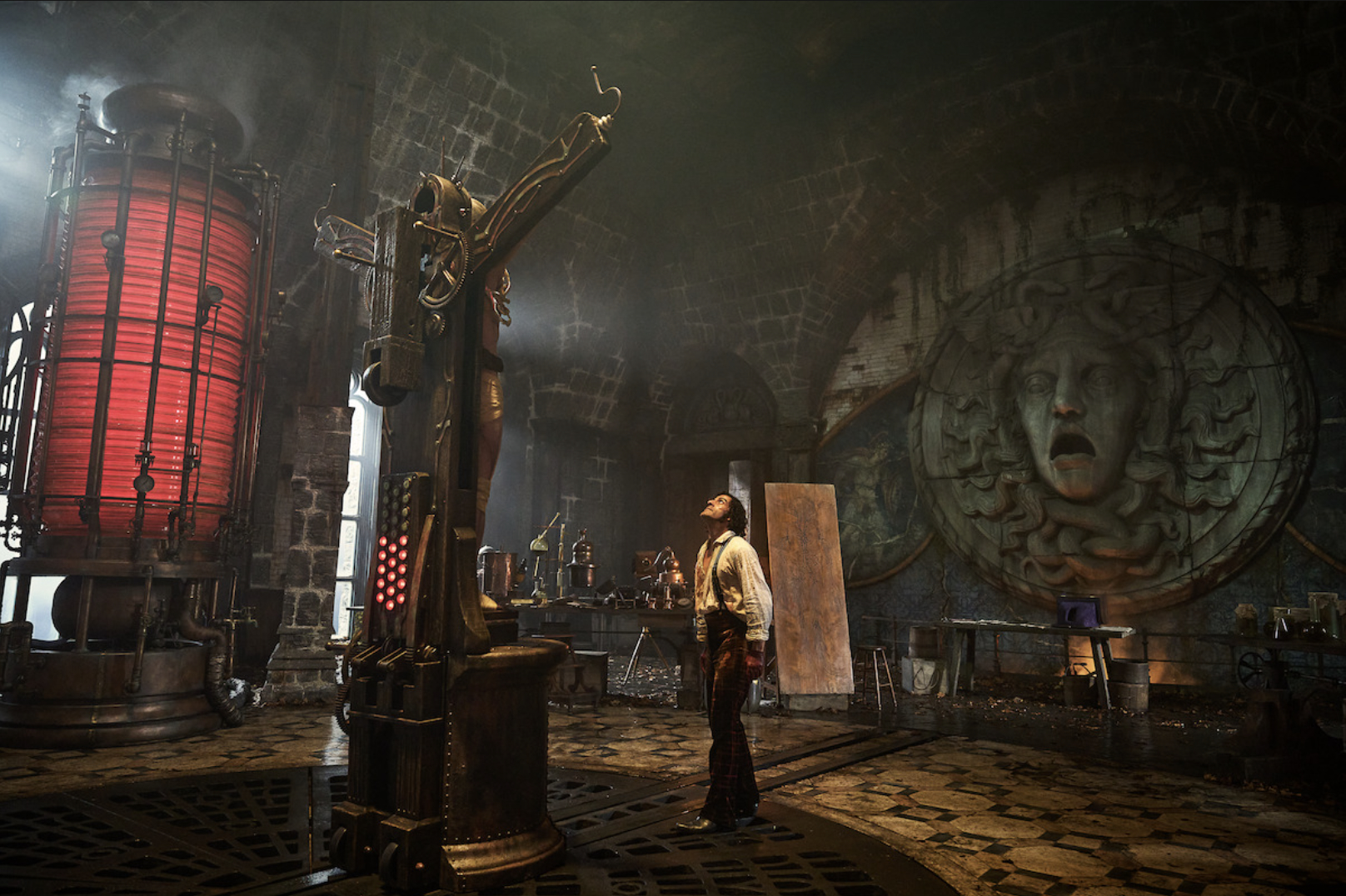
The film’s main strength, though, is the visual style. This film borrows heavily from period pieces such as “Amadeus” and “Barry Lyndon” — lavish, heavily ornate and very lived-in.
The science fiction aspects are equally as stunning. The design for Frankenstein’s lab has an almost-steampunk aesthetic.
The Creature’s design feels completely different from other iterations of this character. His actual construction feels more professional, like Frankenstein actually took care to make him look more human.
Ultimately, Del Toro’s “Frankenstein” is a very well-done adaptation. The film may not please those looking for something highly accurate to the book, but his movie just oozes with character from a director who clearly owes a lot to the source material. It’s the kind of film where the style is the substance.