























The Freshman 15 is an all-too-familiar pattern for many students. It is a warning issued to precocious pre-college tourers, a testament to the dramatic expansion of food options the average first-year faces and, for many, an inevitable reality that they will gain a considerable amount of weight during their first year of college.
As a freshman living in the Residential College South (RCS) last year, I was required to buy the unlimited meal plan. I could use as many dining hall swipes as I wanted per week, regardless if I was grabbing a hot dog to go from the Dish, waiting in the 30-minute line for fried chicken on Thursdays or taking the occasional trek to the Grill at 1810 when my dietary esteem was low.
Most conveniently, students with the unlimited meal plan receive an $8.50 credit daily they can use at any on-campus restaurant. Craving some Chick-n-Minis before a 9 a.m. lecture? A few mindless taps on the campus GrubHub gets you exactly that.
The transition from home-cooked meals to unrestricted food freedom at college is stark for many. Thanks to the Dish’s unrivaled convenience smack-dab in the center of the Residential College, all one needs to do when craving a snack is walk down the hall, take the elevator to the ground floor and a medley of grab-and-go options awaits.
As the stress of all-new social dynamics, academic expectations and extracurricular adventures bombards the nervous system, the adrenal glands pump out cortisol like there is no tomorrow, altogether increasing the appetite.
Put yourself in the shoes of a freshman in Residential College. Your stomach growls after a day of lectures and club interest meetings; you’ve already used your $8.50 credit for a midday pick-me-up; Aramark is beckoning your appetite.
Would you rather take the 21-minute trek to the Grill at 1810, the 14-minute-long walk to Rebel Market (the eight-station complete eatery on campus) or embark on the two-minute-long excursion to the Dish downstairs?
The Grill at 1810 offers chefs who “focus on nutrition” and gear their cuisine towards athletes. Options include the exhibition station, Home Plate, stations for pizza, pasta and stir-fry, made-to-order dishes, salad and yogurt, soup and smoothies.
Second comes Rebel Market, which is the largest on-campus eatery and arguably underpins the university’s food reputation. Visitors can find eight stations, including Red Cup BBQ, Magnolia Kitchen, True Balance and the Salad Station, as well as pasta, pizza and sweets stations.
Lastly comes the Dish — home base for many freshman food-seekers in and near RC South. It offers seven stations, ranging from the Piazza, Global Kitchen, Sandwich Lab, Graze, World Kitchen, Hearth, Urban Kitchen and A La Mode.
While the university certainly has an abundance of healthy options, freshmen will more often choose convenience over conscience.
Having regularly eaten at all three dining halls, I can attest to the obvious difference in availability between them.
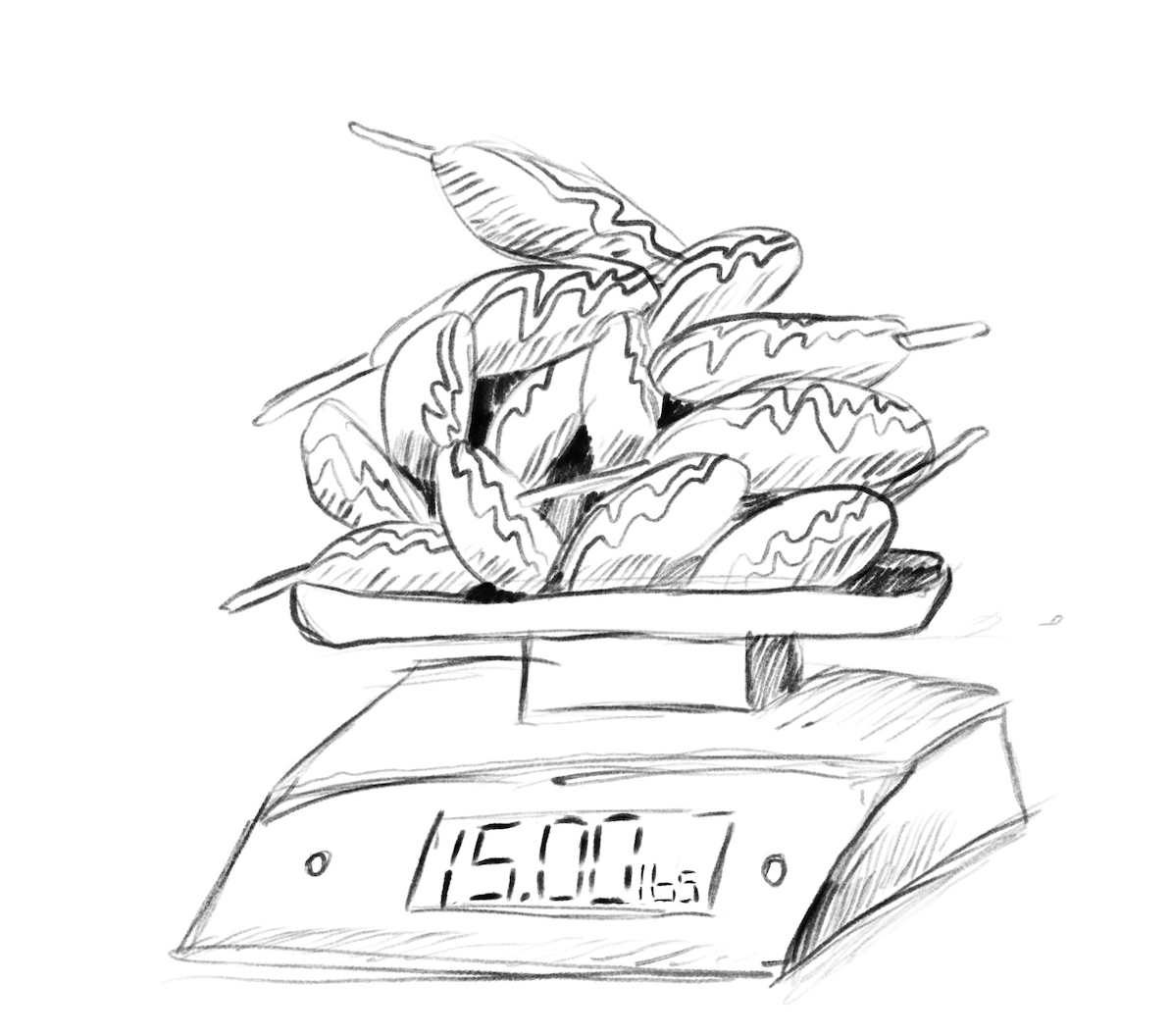
As a freshman in RC South, there were stretches where the only food available at the Dish were corndogs, french fries, garlic bread, pizza, ice cream and a miniature salad bar.
Don’t just take my word for it. Ena Durbin, a current RC South resident and freshman philosophy major from Westfield, Ind., said:
“(T)here have been plenty of times when it felt like the only choices were fried foods or snacks, which made it hard to consistently eat balanced meals on campus.”
The college years are when many students learn to live in the real world. This includes the development of eating habits, which often last throughout life. There is a reason the freshman 15 is viewed as easy to gain and impossible to lose: Once you’re used to eating unhealthy, it becomes a pattern that is difficult to break.
Kadin Collier is a sophomore international studies major from Hattiesburg, Miss.