


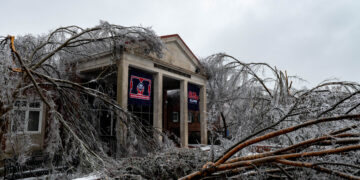












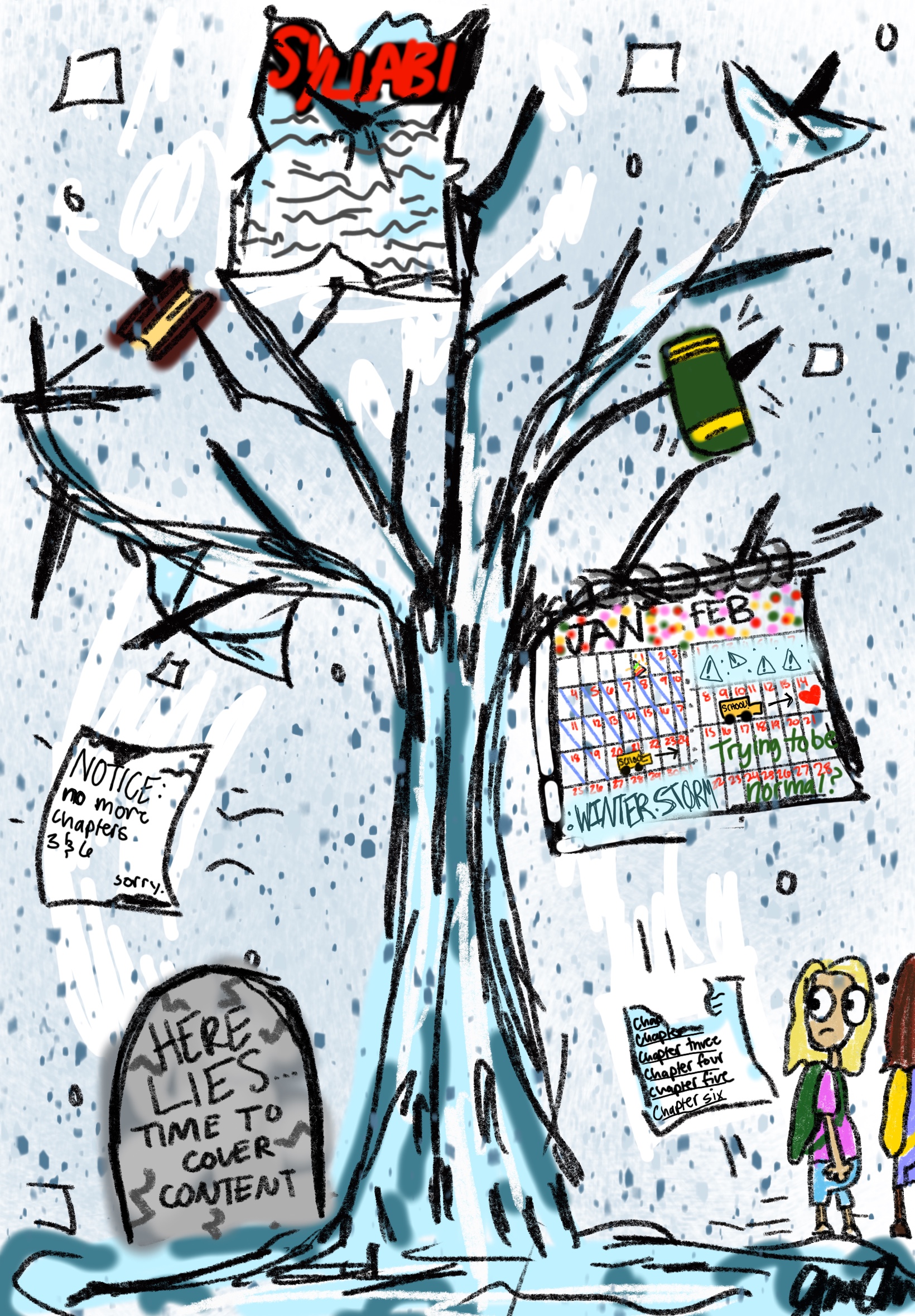
In the wake of the two-week campus closure following Winter Storm Fern, University of Mississippi professors had to adjust their class curriculum and syllabi to make up for lost instructional time.
In an email sent to the UM student body by Chancellor Glenn Boyce on Thursday, Feb. 5, he confirmed that the university would shorten its semester by two weeks, keeping spring break intact and the Commencement date unmoved.
Two weeks of lost time can be detrimental for a professor, especially for those that meticulously craft their syllabi to spread out their schedule in the most optimal fashion.
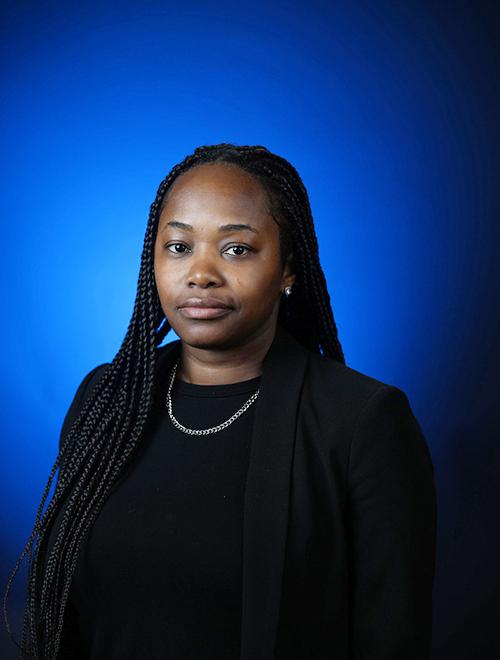
“It’s going to be a lot more work because of the truncated time frame,” Vanessa Charlot, assistant professor of media and communication, said. “Balancing teaching, workload and students and personal projects that are research-based as a professor, it’s going to be a very hectic semester.”
Professors must adapt quickly as they select what material to prioritize and what topics can be cut out. Each professor is using a different strategy to move forward, carefully considering what will work best with their content, students and learning goals.
Charlot teaches JOUR 103, a large intro-level lecture class, and JOUR 576, a smaller graduate-level class.
One of Charlot’s main focuses has been making sure that her students feel supported and not overwhelmed as their classes resume. She has pushed back deadlines and made notes available ahead of time to help with the transition back to campus.
“I do think that students may feel a little bit overwhelmed just because some of the material still needs to be covered, not just in my class but other classes,” Charlot said. “I hope that they don’t feel rushed throughout the semester, and I know that me and my colleagues are actively working to ensure that that does not happen. But I do think that they’re probably going to get a truncated experience with a lot of material, and so the students are going to have to show up.”
Caroline Wigginton is the chair of the Department of English and an associate professor of English. This semester, she is teaching HON 102 and ENG 775, a graduate-level literary studies seminar. When Wigginton was adjusting her course curriculum, one of her main goals was to maintain the arc of the class while also sufficiently hitting all the learning objectives she set for her students.
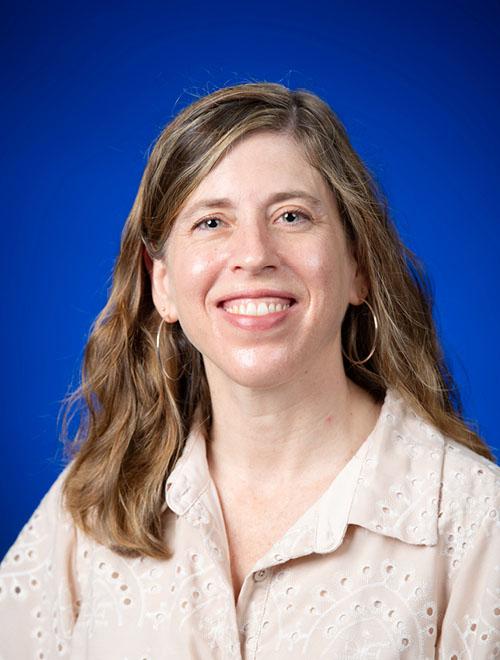
“For me, it’s trying to figure out how to not just, for example, cut off the end last two weeks, but how to preserve the structure of the course,” Wigginton said. “So that might be by shortening some readings. It might be, with my graduate students, trying to schedule some additional optional sessions for things that they may be interested in doing.”
Other professors, such as Graham Pitts, had protocols already in place in their syllabi. Pitts works in the Croft Institute for International Studies as an associate professor of history and international studies. This semester, he is teaching INST 209 and HIST 355.
“I build the flexibility automatically into the syllabus. So it’s not a heavy lift for me to condense some readings and the material that would have taken three weeks into a week and a half,” Pitts said. “So without sacrificing rigor, without sacrificing … the arc of the course, we don’t ask the students to work more. We just work better.”
Pitts also emphasized the importance of professors and students working together, accommodating one another in the aftermath of this difficult situation.

While some syllabi have flexibility already weaved into them like Pitts’, not every department or professor has that same advantage. Ryan Fortenberry is an associate professor of chemistry and biochemistry teaching CHEM 332 — a junior-level chemistry course that is often a prerequisite for graduate-level chemistry classes.
Fortenberry is doing his best to adjust his in-class workload to accommodate for the two-week loss. However, he and the rest of the chemistry department face a unique struggle because of the chemistry labs that work along with the course.
“We have a certain number of laboratory exercises that we expect the students to get through. They have learning outcomes; they are necessary for higher level classes; they’re necessary for accreditation,” Fortenberry said. “Now, we have two less weeks to get through them. So do we cut a lab? Do we cut a laboratory exercise? Do we change the way we assess the way that those laboratory exercises are presented to the students? That is going to be the biggest difficulty for the chemistry department.”

While every professor is taking a different approach in adjusting classes and work schedules, collaboration between the students and the teachers is a consistent theme. Adaptation is a skill that professors are emphasizing for both themselves and their students to ease the stress that will come with changes in workload and class structures.
“We’re all going to have to hold our hands and give each other a lot of grace,” Charlot said.