
























Women have shaped the University of Mississippi since its construction and have served the university in all capacities.
Here is a list of just a few notable women who have formed our university into what it is today:
Sarah Isom
Sarah Isom was the first female faculty member at the university in 1885, marking a monumental success in an era where women had few rights or opportunities for employment.
Isom taught oratory, or formal speaking, to aspiring politicians or public speakers at the university, gaining recognition for her ability to teach.
Isom was also the first female faculty member at an institution of higher education in the southeastern United States.
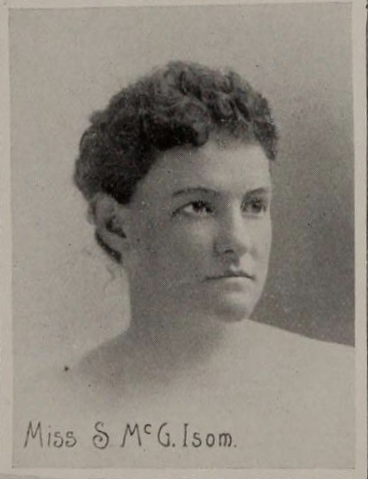
The Sarah Isom Center for Women and Gender Studies at the university is named after her.
“Named in (Sarah Isom’s) honor, the Isom Center continues the tradition of promoting education and opportunities for women, who today constitute more than half of the UM student population,” the Isom Center’s website reads.
University Archivist and Assistant Professor Jeannie Latartara recognized a few of the trailblazers and their importance in UM’s history.
“(For) women’s integration of the University of Mississippi, we contribute to Sarah McGehee Isom and Sallie Vick Hill, early trailblazers who entered Mississippi higher education as members of the faculty,” Latartara said. “Hill stepped outside of traditional women’s roles and built a bridge for other women to contribute to leadership in the fields of math and science, politics, law and higher education.”
Gloria Kellum
Gloria Kellum was the first woman to serve as vice chancellor at the University of Mississippi, becoming vice chancellor of university relations in 1998.
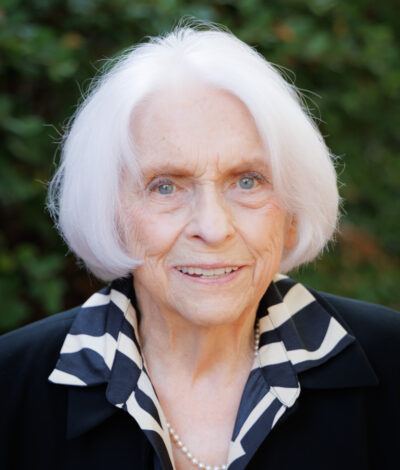
Kellum is credited with helping to develop the William Winter Institute for Racial Reconciliation and aiding in the construction of the university’s first civil rights monument, the James Meredith statue located outside of the Lyceum. Kellum was a founding member of the Ole Miss Women’s Council (OMWC).
“As a current scholar of the Ole Miss Women’s Council, it’s so meaningful to me to be part of something that Gloria Kellum helped create,” Locklyn Wilchynski, a junior law studies major, said. “Through founding the OMWC and serving as the university’s first female vice chancellor, she has impacted countless lives by opening doors and supporting women scholars at the University of Mississippi.”
Kellum served as a faculty member in the university’s speech and pathology programs before assuming the role of vice chancellor.
Enslaved women
Although researchers have trouble finding definitive information, enslaved African-American women labored at the university from the time it opened in 1848 to the end of slavery in Mississippi.
The UM Slavery Research Group works to uncover the history of enslaved people on the UM campus and the Oxford-Lafayette County area. Through its research, the group has uncovered multiple names of enslaved individuals.
Jane, an enslaved woman who labored at Chancellor Frederick A.P. Barnard’s campus residence, is one of two women that the UM Slavery Research Group believes was enslaved by the chancellor. The plaque outside of Barnard Observatory describes Barnard’s history with Jane.
“The fact that slavery was such an integral part of Mississippi not only at the university’s founding but that racism and Jim Crow and white supremacy continued to be absolutely essential features of the university,” former UM anthropology professor Anne Twitty said in an interview with Mississippi Today in 2020. “I think that that history deserves to be a part of the university’s narrative.”
Katrina Caldwell
Katrina Caldwell became the first Black woman to hold the role of vice chancellor at the university in 2017. She served as the vice chancellor of diversity and community engagement until her departure from the university in 2020.
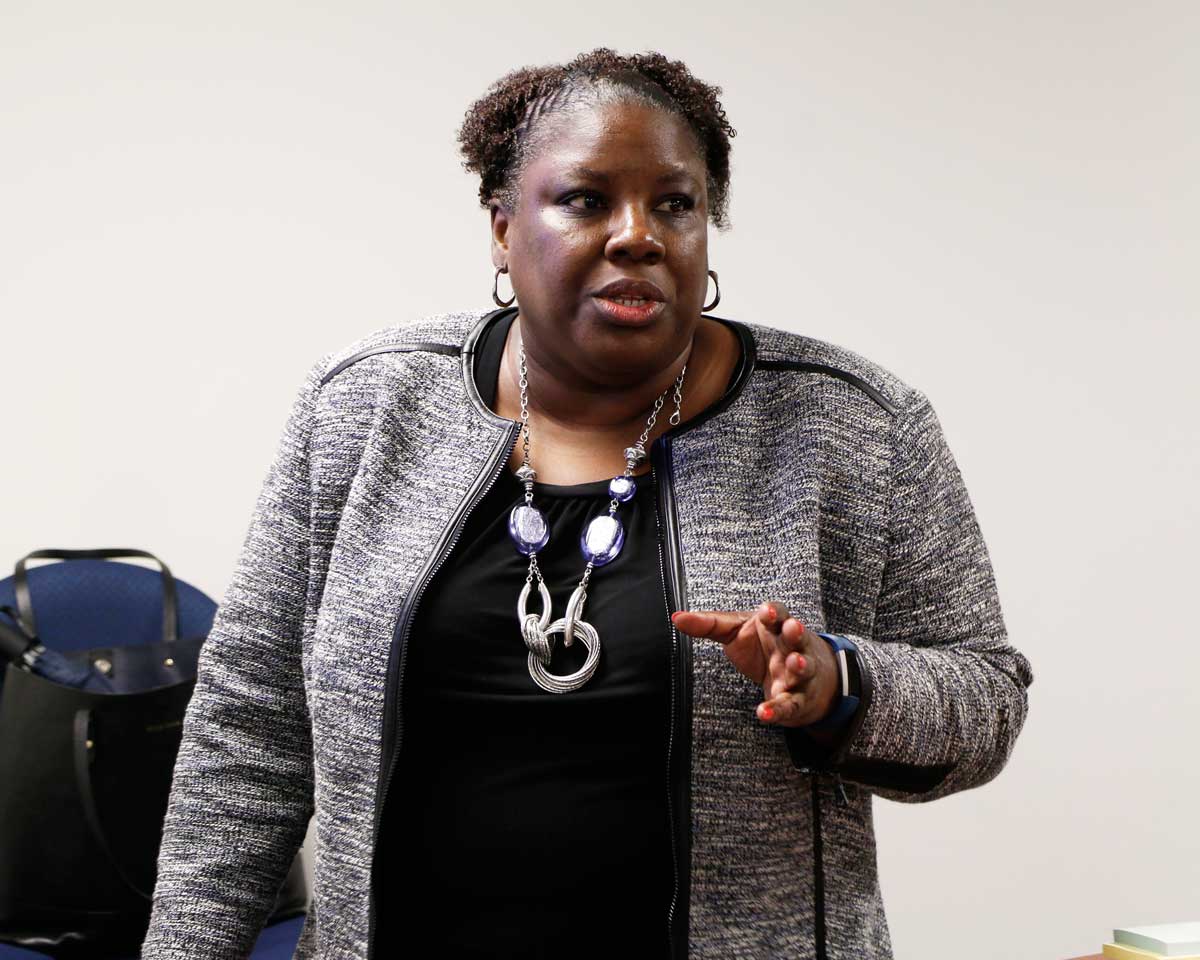
During her time as vice chancellor, Caldwell expanded the university’s diversity and inclusion framework and moved the university to acquire the Carnegie Foundation’s Classification for Community Engagement.
According to the Carnegie Foundation’s website, the Carnegie Foundation’s Classification for Community Engagement is awarded to universities who exemplify engagement within their communities.
Caldwell graduated from Spelman College, a prestigious historically Black women’s college in Atlanta.
Mamie Franks
In 1975, Mamie Franks became the first woman registrar at the university. Securing the role, Franks became the first woman to hold a leadership position that was not specifically designated for women.
Franks, a divorcee and survivor of spousal abuse, was in line to be dean of women, though she was not offered the role because at the time it was considered a poor example to appoint a divorcee to the position, according to the Isom Center.
When she became registrar she staffed her office primarily with women.
The Isom Center’s website says Franks has historically been praised for her strong leadership skills and generosity to her employees.
Constance Slaughter-Harvey
Constance Slaughter-Harvey was the first Black woman to graduate from the University of Mississippi Law School in 1970.
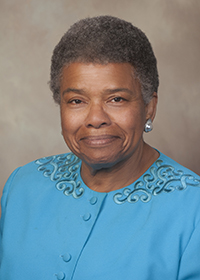
She became the first Black woman judge in the state of Mississippi, serving as the Scott County Judge.
Slaughter-Harvey sued the state of Mississippi for not integrating the Mississippi Highway Patrol and won the case. She regularly represented clients in police brutality and civil rights cases.
She is the recipient of the American Bar Association’s Margaret Brent Award — the highest honor specifically for female lawyers.
The University of Mississippi Black Law Student Association is named for Slaughter-Harvey.