


























The Ole Miss Men’s and Women’s Golf teams have both carried over strong play from the fall into the spring season. Women’s coach Kory Henkes and men’s coach Chris Malloy attribute their teams’ successes to close relationships among teammates and shared expectations for stellar performances.
Henkes has been with the women’s team for 11 seasons. She has led the Rebels to three consecutive NCAA Championship appearances, winning the national title in 2021. She has also coached the team to 22 team wins in tournaments.
Still, Henkes believes there is much growth ahead for the Rebels. She sees this roster as brimming with potential.
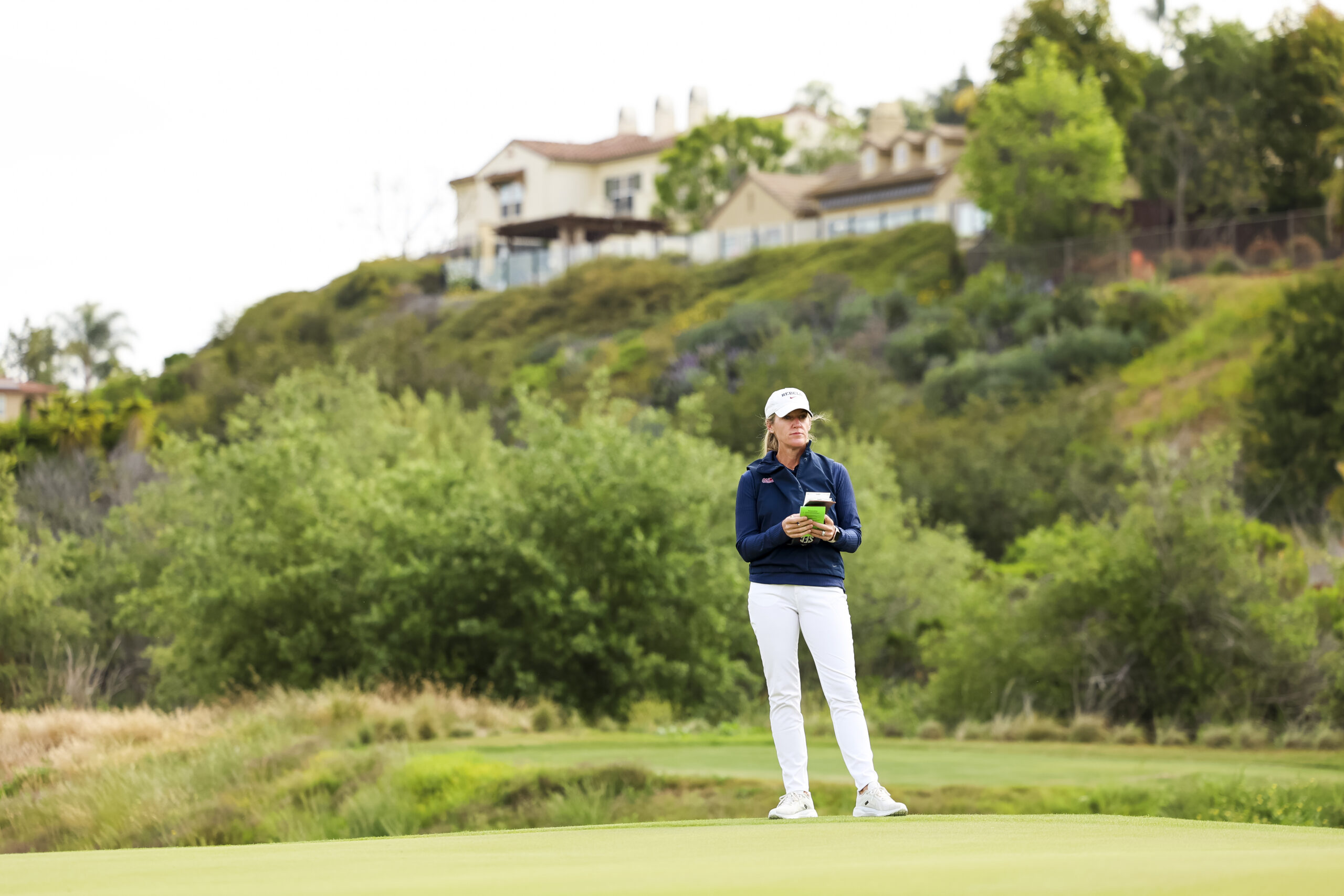
“We’re Top 15 with such a young team. We have a lot of room to grow, and we’ve got some great recruits coming in next year, so we’re just gonna keep continuing to get better and better,” Henkes said in an interview with The Daily Mississippian.
That improvement has already surfaced in competition. The players have strong chemistry with each other and strong coachability.
“Sometimes you get teams that maybe don’t mesh well together, or maybe they don’t really want to learn. This team’s really open-minded, and they like to push each other, and it’s been really fun to see their growth and just really working together, trying to seek more and more information to help them get better,” Henkes said.
Perhaps most importantly, the players genuinely enjoy each others’ company.
“They usually eat breakfast and lunch together every day, and they just spend a lot of time together, so it just really kind of takes care of itself,” Henkes said.
While the players’ attitudes and commitment set the tone, guidance from the coaches plays a critical role in reaching team goals. Combining accountability with measurable, statistical feedback enhances individual growth and directly impacts team success.
“We do a lot of statistics, so they get a lot of feedback off of that on where they’re getting better, because golf is pretty black and white,” Henkes said. “You have to post the score, so when they can see themselves improving on their individual statistics, then it helps overall team statistics.”
These statistics lead to improvement, which is one of Henkes’ favorite parts of being a coach.
“It’s rewarding to see these players accomplish their goals, so that’s a lot of fun to see them grow personally and as athletes,” Henkes said.
That growth is also shaped by the relationships built within the program. Coaches foster open communication to ensure players feel supported both on and off the course.
“It’s easy to have a lot of one-on-one conversations with them to help them grow as a person and a golfer,” Henkes said. “We want to be able to talk about anything and have honest conversations and give honest feedback.”
Though success on the course is important, Henkes also hopes her players will be able to look back on their time on the team with fondness. The lessons, relationships and shared moments are just as meaningful as competition.
“I just want them to look back and be like, ‘Wow, that was a pretty cool experience we had,’ and have so many good memories when they look back. They can have a smile on their face and be like, ‘Man, that was really cool. Our coaches tried to do a lot of fun things for us,’” Henkes said.
On the men’s side, Malloy has coached the Rebels for 11 seasons and led Ole Miss to 12 team tournament titles, along with 25 individual wins.
A key to coaching, Malloy said, is adapting one’s approach across seasons. Each player on the roster requires unique coaching and support. Recognizing those differences allows Malloy to bring out their best performances.
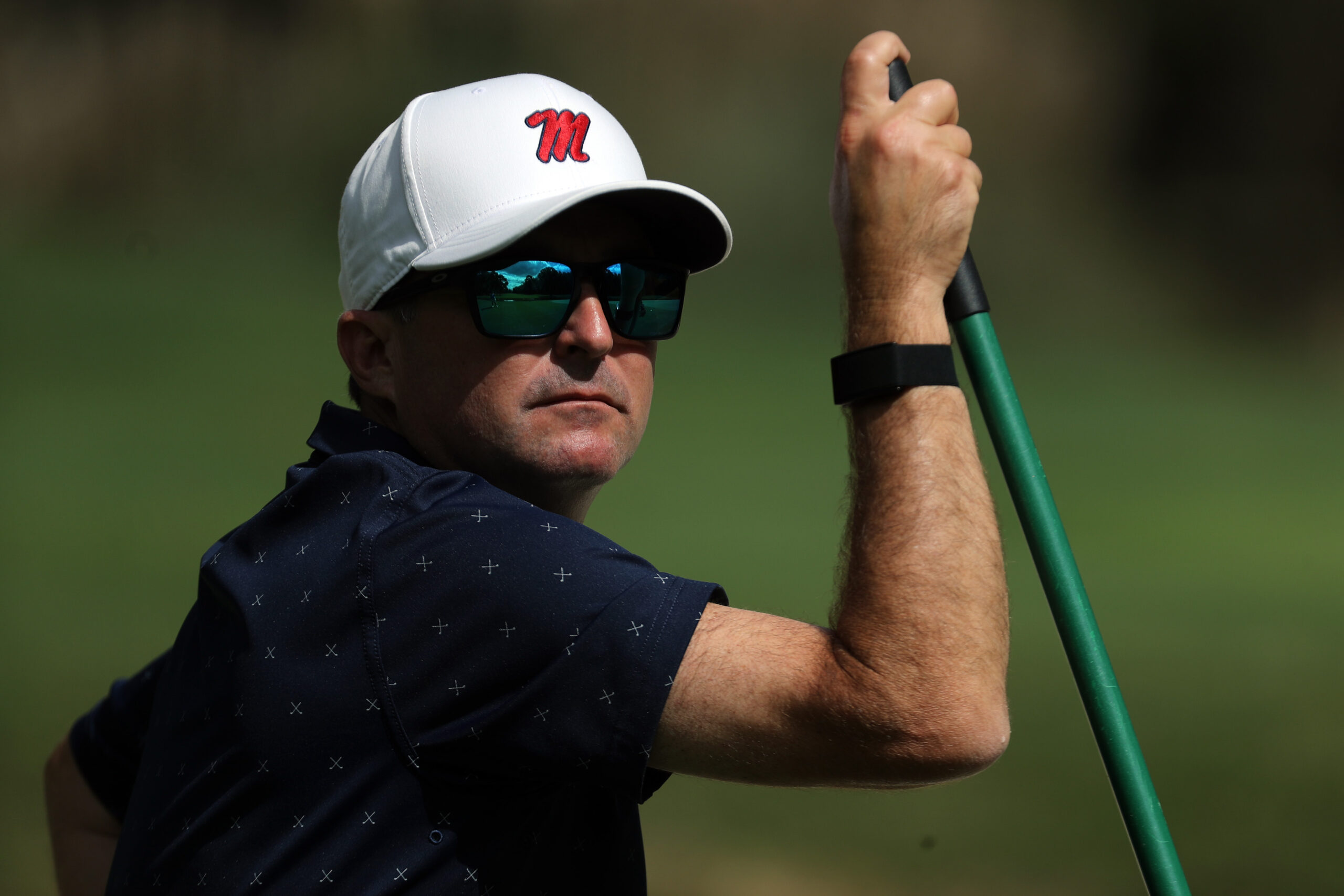
“You can’t coach all these guys the same, and these guys are so different and similar in certain ways, whether it’s motivating the guy, holding the guy accountable,” Malloy said. “Just things to pay attention to and communication with the team.”
Creating an environment that challenges players and forces them to play their best is vital, Malloy said.
“We are very transparent, and as a coach, there’s a lot of tough love in it, as well. We don’t let the guys really get away with a ton of nonsense,” Malloy said. “We’re brutally honest in our evaluations and try to make things really tough around here. The tougher we can make it at home, the easier it’s going to be when we get on the road.”
Every athlete brings different strengths and challenges that must be recognized and developed. By addressing weaknesses as soon as they appear, Malloy and the other coaches enable players to improve in the long-term.
“I think with whatever you’re trying to implement, you need to be consistent, and if you can identify a problem and not be afraid to address a problem early on before it gets to be a bigger deal, then you are already a step ahead,” Malloy said.
Players pushing one another is even more important than coaches holding players accountable, Mallory said.
“It’s one thing for me to get up and hop their tail on something, but it means nothing until it starts coming from the players and their peers,” Malloy said. “We’re not worried about other teams; we can control what we do, and if we’re the best version of ourselves, then we’re going to be pretty tough to beat.”
Playing golf goes deeper than the game. Spending years with a team means time together on and off the course. Many players live together, study the same subjects and form tight friendships. When Malloy hangs his hat on his career, he hopes he will have helped his players become better people.
“I want to say they became a better human, and I really mean that,” Malloy said. “The trophies are great, and the scoring averages are great, but if they can walk out of here a man and much better prepared for whatever it is you’re going to do, whether that be professional golf — we certainly hope they all go on the PGA tour and have a great, successful professional career — but if their four years here made them a better person … that’s success.”