





























In the current climate of college sports, student-athletes can make money in a variety of ways: name, image and likeness (NIL), third-party deals and sponsorships, to name a few. Following the recent House v. NCAA settlement, athletes can add payment from university athletic departments to that list.
Athletic departments can now directly pay student-athletes up to $20.5 million a year. That number will increase by 4% every subsequent year, and every three years there will be a look-in to determine whether that number is still accurate.
Consequently, winning and losing have become increasingly reliant on a university’s wealth and their ability to maintain collectives and foster third-party deals.
Large schools such as the University of Texas flash Lamborghinis parked in their stadium on social media, and others pay players NIL contracts worth up to $4 million.
Every university’s fan base is a key source of fundraising. Schools such as Texas with approximately 55,000 students enrolled, a home base of Austin with a population of almost 1 million and more than 600,000 living alumni across the country, have a distinct advantage.
Schools such as Ole Miss, with its enrollment of approximately 27,000 students and fewer than 200,000 living alumni, must be aggressive in their fundraising and more efficient with their spending.
“I think we’ve always had a lot of pride in making sure that we had a very comprehensive athletics department and tried to resource every sport the best way that we possibly could,” UM Vice Chancellor for Intercollegiate Athletics Keith Carter said in an interview with The Daily Mississippian. “We’ll have to continue to evaluate what all that looks like. I think by and large we’re going to share revenue with the sports that make the revenue for us.”
Carter also said that supporting non-revenue sports might entail additional scholarships, among other means of resourcing, to maintain competitiveness.
“I think by and large we’re going to share revenue with the sports that make the revenue for us,” Carter said. “And then for our non-revenue sports, figuring out how we can help them, maybe with additional scholarships or other ways of resourcing them so they can remain competitive and win at a high level.”
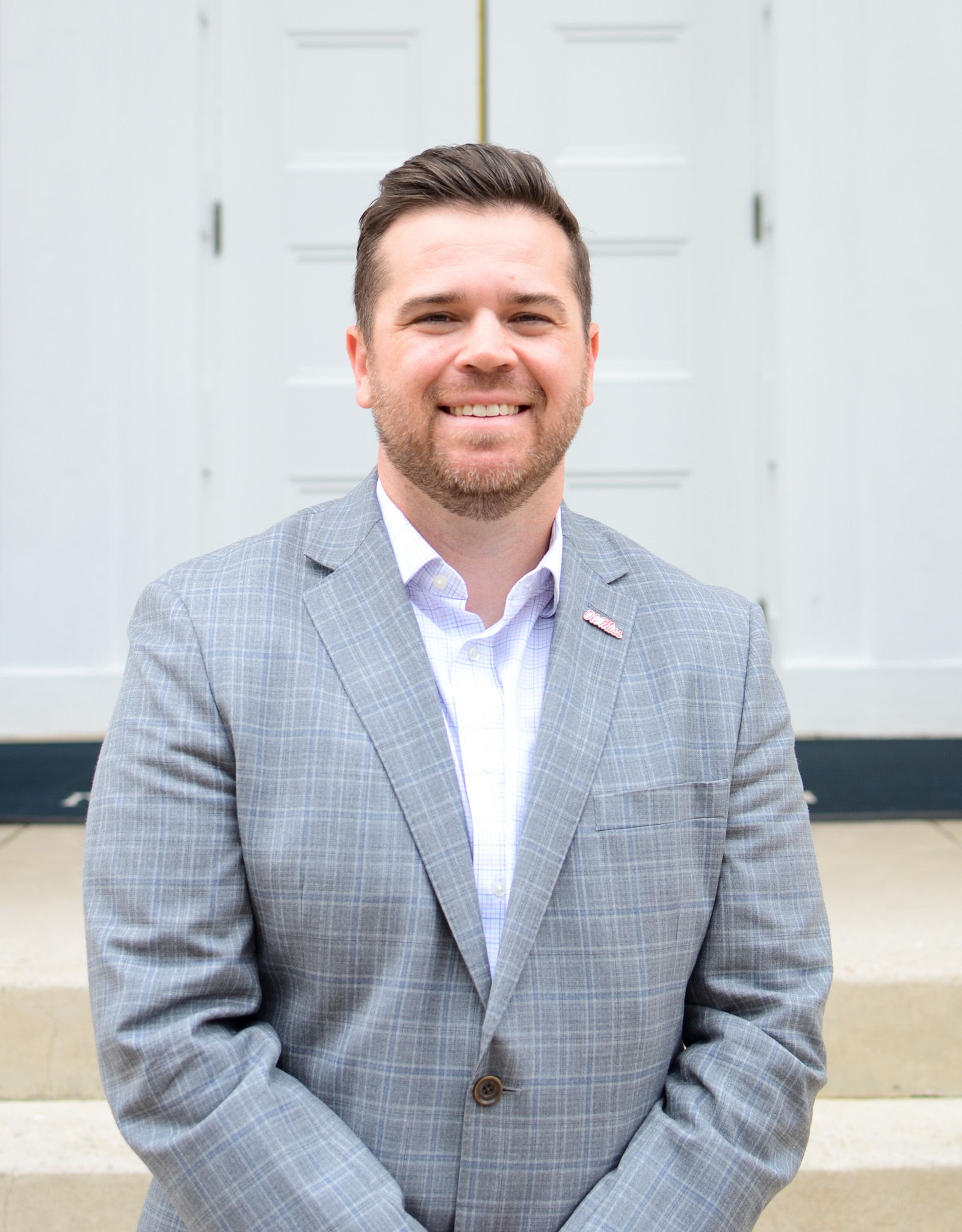
Matt McLaughlin is the senior associate athletic director for strategy and cap management at the university. He oversees revenue share distribution, works with the athletics executive team to allocate funds, helps set the athletics budget and collaborates with the Grove Collective, an Ole Miss exclusive NIL program, for deals.
“The thing that I think about every day is, how do we make each sport competitive no matter what the budget is, no matter what resources are available?” McLaughlin said.
Ole Miss shares revenue with players on the football, men’s and women’s basketball, baseball and softball teams.
McLaughlin and the athletics department are only fully in control of revenue share payments. He is tasked with balancing revenue share, NIL and scholarships for all sports at the university. He takes all the ways in which student-athletes can make money and packages them together.
Walker Jones, CEO of the Grove Collective, handles NIL payments, while Learfield, the university’s multimedia rights partner, delivers NIL deals to student-athletes. Additionally, student-athletes’ agents can find them other deals.
Going forward, revenue share will be a large variable in college sports, but there is a battleground in the NIL space. The House v. NCAA settlement dictates that NIL deals have to be made with a valid business partner. Accounting firm Deloitte determines what qualifies as a valid business partner (VBP). A VBP is an entity paying student-athletes, and it must seek to sell a good or service to the public for profit.
“The days of a kid getting X amount and really not having to do a whole lot (are) probably over,” McLaughlin said.
Outside of football, the athletics department will most likely work with each program individually to determine how much money will be allocated to every sport.
“We want to win at everything at a high level,” McLaughlin said. “But I think the guiding light is obviously football. That’s the biggest revenue driver for us, so we work from there, then we work from each sport. I think it’s just a conversation with each coach, and what they think they might need.”
The athletics department communicates the budget that coaches have to operate within. For McLaughlin, communication is a big key to budgeting success.
“I think just constant communication (as) best as humanly possible is the best way,” Mclaughlin said. “Obviously, it’s all new for everybody, so there’s been some bumps in the road along the way. … Nobody expects to bat a thousand (out) of this, but as long as we’re on the same page, I think we’ll get it all figured out.”
Ole Miss has one of the smaller living alumni bases in the SEC, which is a challenge McLaughlin has to deal with.
“We talk about efficiency and spending money better,” McLaughlin said. “Well, that’s not because we just live in an abundance. So whether it’s coaches’ salaries or players, it doesn’t really matter. You have to have resources.”
Ole Miss has some of the highest-paid coaches in the country. McLaughlin credits the athletics department and the Ole Miss Athletics Foundation for that. He also gives fans their due.
“I think the fact that our fans have been so galvanized over the last five years, that they’ve supported (us) in a lot of different ways,” McLaughlin said. “Whether that was NIL (the Grove Collective), the (Ole Miss) Athletics Foundation or both, I think we’ve done a really good job of managing where the money has gone.”
Judge Claudia Wilken approved the House v. NCAA Settlement last June, but athletics departments had been anticipating its approval for months. The process to prepare for revenue sharing and the new rules was exhaustive.
“We, as an executive team, met and just kind of worked through everything again,” McLaughlin said. “It’s the fact that the business office and Angela (Robinson, senior associate athletic director for finance) and her team make sure that we have payment mechanisms figured out. It’s (Taylor Hall, senior associate athletic director for compliance) and his team making sure we’re doing it compliantly. It’s (Ane Redmond Debro, associate general counsel for athletics) and the General Council office to make sure that the contracts look right in a way that we’re represented well.”