































It is no secret that traffic in Oxford has worsened in recent years — getting much, much worse. Once upon a time, congestion was a hassle only on game days. Now, roads and parking lots seem perpetually packed.
The city seems to believe roundabouts are the solution. While they certainly help keep traffic moving, perhaps there’s another solution — a forgotten gem from the past.
Many of us pass it sitting idly behind the Gertrude C. Ford Center near Jackson Avenue every day on our commute to class. The old Oxford Train Depot is a relic of a time when trains connected our bustling town to the rest of the state.
The depot’s bricks remain intact, and while the tracks are long gone, in their memory lies a concept that could very well carry us into the future.
In pre-modern America, depots like ours in Oxford thrived, but the passenger train industry declined in the aftermath of World War I. However, in many countries, this industry boomed.
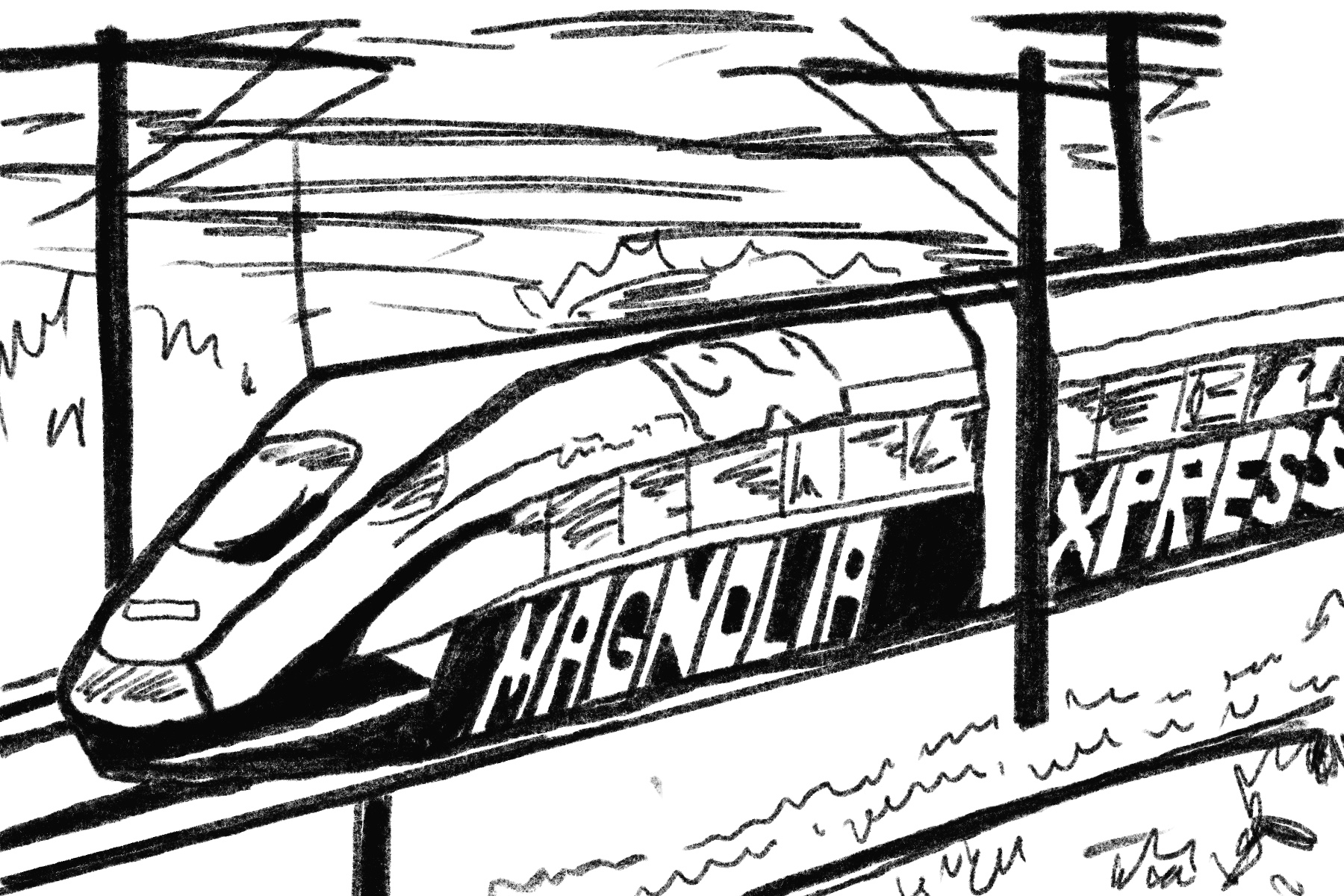
For example, in Europe, the totality of passenger train ridership has significantly passed pre-pandemic numbers. In China, magnetic trains, which are faster than some planes, are being tested.
The United States, by contrast, has lagged behind and has yet to complete even its first high-speed railway project in California. If China could build 6,213 miles of high-speed rail in less than seven years, can we not imagine the same for our country?
Practically speaking, many college-aged students could not care less about the geopolitical race between China and the U.S. However, they should. Investment in modern train infrastructure nationwide, let alone in Oxford, would revolutionize transportation for students, faculty and residents by increasing safety and efficiency.
A single high-speed route from Oxford to Memphis could cut the roughly 85-mile journey from an 1.5 hours to just half an hour, making the trek to the Bass Pro Shop pyramid far more efficient (and other locations, of course). It would dramatically reduce vehicular traffic, putting less strain on local and state efforts to keep infrastructure up to pace with growth.
High-speed trains would allow for students to safely travel home on the weekends, unclog Oxford’s increasingly busy road network and reduce commute times for students and workers who live outside of Oxford due to exorbitant housing prices.
We have already seen the magic of public transportation in action. The Lafayette-Oxford-University bus system provides the city and campus with regular, safe and timely transportation, and the same could be said for a revitalized train system.
Right now, it can be frustrating to drive on campus while also navigating traffic, pedestrians and finding a parking spot. Trains, in the long run, could provide the university and Oxford with the opportunity to grow strategically while balancing environmental concerns of the future. Fewer cars on the road mean lower carbon dioxide emissions, safer roads and cleaner air.
For many, the Oxford Depot represents the past, but it doesn’t have to remain that way. Oxford’s continued growth seems inevitable. The choices we make now will shape the campus and city for decades to come.
Trains could once again easily connect Oxford to the rest of the South, providing local benefits such as cleaner air and safe traveling options for both students and visitors. Sometimes the way forward isn’t reinventing the wheel but rather getting back on track.
Taylor Young is a second year law student from Gulfport, Miss.