




























Why does no one dance at parties anymore? When did social media go from having fun with friends to maintaining a carefully curated image?
Cringe, or that embarrassment we feel when we think we’ve done something socially awkward, inhibits us from genuinely expressing ourselves.
There is no doubt that the emergence of social media has ushered in an era of new social mandates — namely, the necessity to live a life that is wholly aesthetic. This requirement, driven by the human urge to conform, compels many individuals to illustrate a certain image they deem necessary for social acceptance. cThe disappearance of authenticity, all for the sake of avoiding cringiness, spells a threat to what makes us who we are.
Whenever I see videos online, they rarely ever feature people having fun for fun’s sake. Rather, they depict someone striving to differentiate themselves as “different” and “cool” to avoid earning a cringe classification through seeking clicks, views and digital approval. Everything we do is analyzed microscopically for the next person to poke fun at to elevate themselves.
Unfortunately, this is not just a digital problem. It manifests in everyday social situations, even ones filled with camaraderie.
Last year, I had the pleasure of going to the Harvest Festival here at the University of Mississippi at Residential College South. There was just one issue: My friends and I did not want to dance for fear of mockery, or even worse — being posted online.
Everyone wants to be authentic, but we all fear sharing ourselves with the world. It is worth taking a look into why we choose to shame each other and ourselves. Another trend, another phase, another reason to hide behind a persona we loathe. A fake — a copy of a copy of a copy.
There are ways to counteract this wave of artificial personalities: Say the wrong things, make mistakes, go with your gut and not your innate instincts. Stop playing mind games and be direct and honest with each other. Just have fun again.
Wear the outfit you’re scared to wear. Encourage each other to post that bad picture. Cultivate a community through authenticity.
Although we should strive to be authentic, it is not the only ingredient to being genuine. We must also consider empathy to combat inauthenticity not just for ourselves but for others as well.
No more criticizing others for trying something new, no more bashing ourselves after an awkward conversation, no more regretting our choices.
Anti-cringe culture must go. Think of all the would-be geniuses hiding behind facades or the brilliance snuffed out by expectations. Nobody wins. We’re all fooling ourselves … chasing attention instead of striving for greatness.
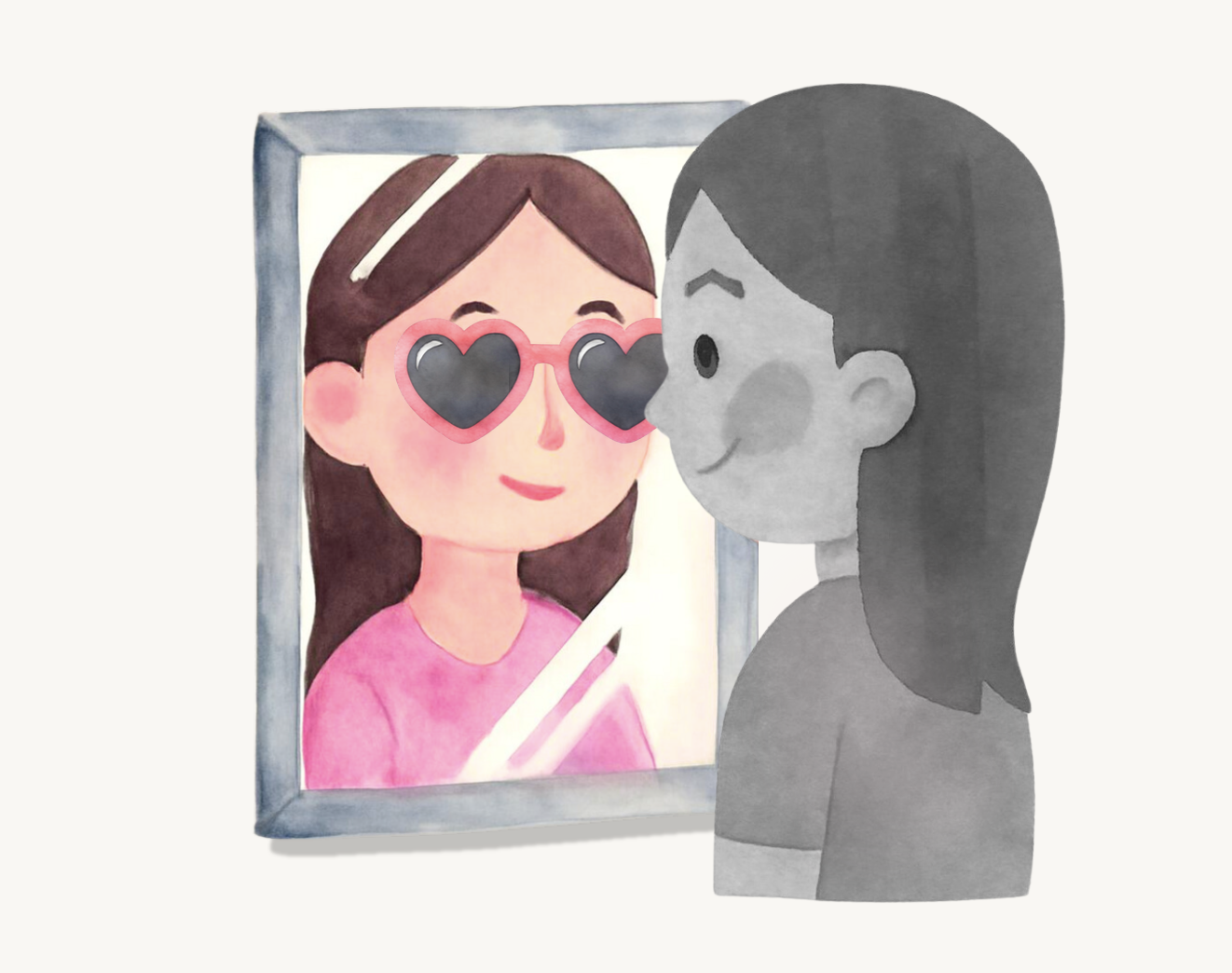
When you look in the mirror, what do you see? Do you see yourself, or an aesthetic you’ve cultivated? Can you really tell the difference?
Lamarcus Lenoir is a sophomore English major from Tupelo, Miss.