









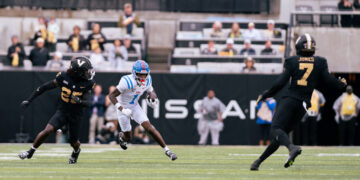

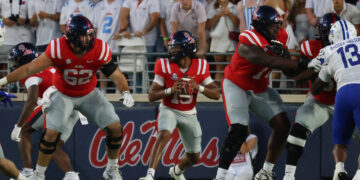
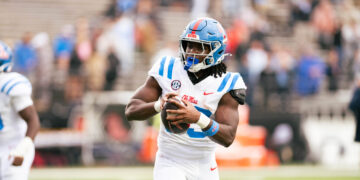










Ole Miss quarterback Trinidad Chambliss and his legal team are seeking extra-contractual and punitive damages after the NCAA filed to appeal Chambliss’ preliminary injunction, which Chambliss argues forced Electronic Arts (EA) to remove him as a finalist for the cover of College Football 2027, a popular video game.
Judge Robert Whitwell granted Chambliss’ injunction on Feb. 12, allowing him to participate in the 2026-27 college football season.
After the NCAA’s appeal on March 5, Chambliss’ legal team filed a 37-page document against the NCAA. According to the motion, Chambliss would have received NIL compensation and increased notoriety and prestige had he been on the cover of the video game.
“During and after hearing on the motion for preliminary injunction, Trinidad was engaged in negotiations with Electronic Arts,” the motion states. “As late as March 6, 2026, Trinidad was one of three college football players, if not EA Sports’ favored player, to whom EA Sports was prepared to offer the cover of its upcoming College Football video game.”
The NCAA’s appeal is a 658-page document that was directed to the Mississippi Supreme Court and requested that it overrule the injunction and expedite the ruling. The NCAA said the appeal needs to be adjudicated before April 23 so Chambliss can participate in the NFL Draft.
The filing argues that the injunction subjects the NCAA to “substantial and irreparable injury.” Whitwell denied this claim in court last month.
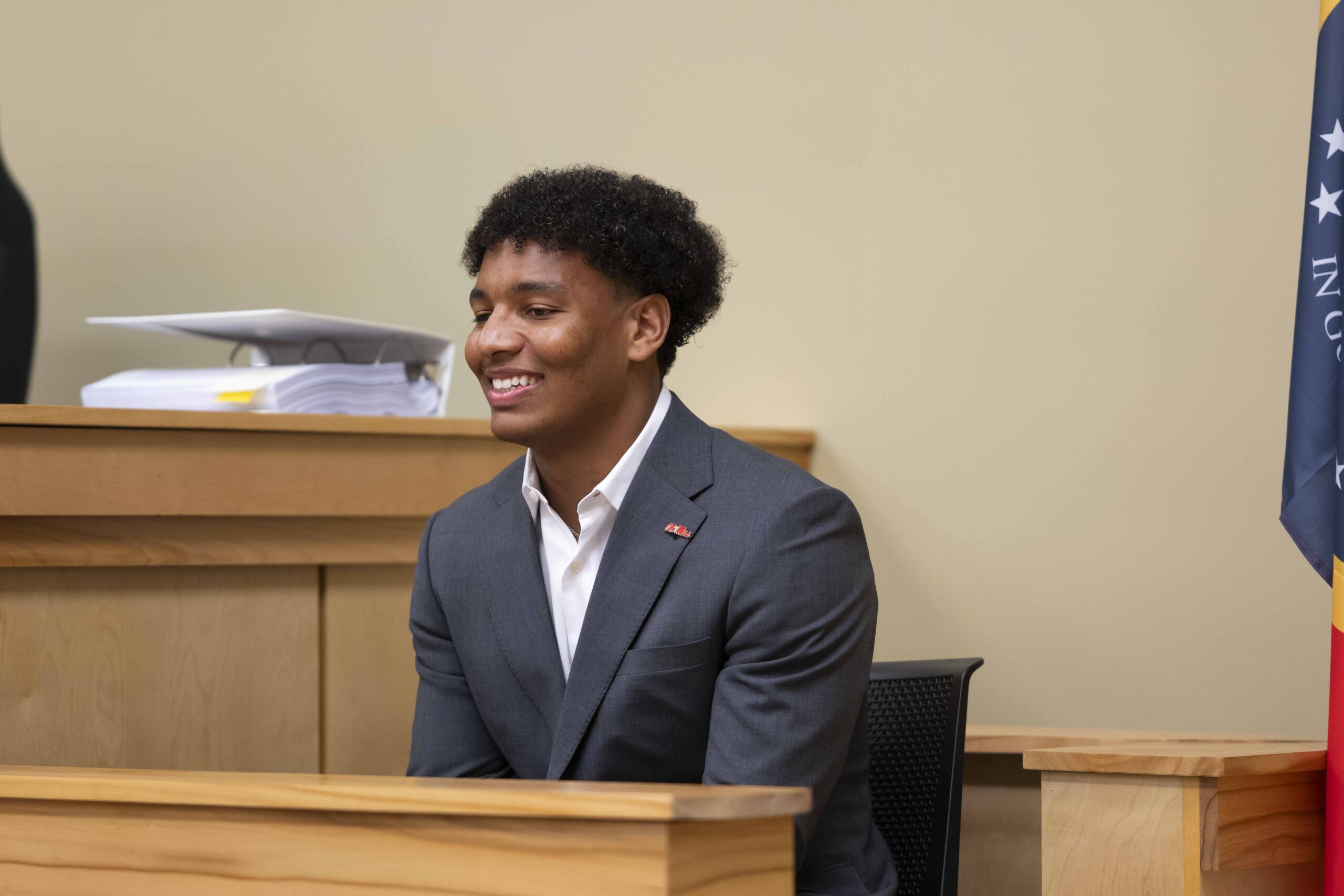
“On or about March 9, 2026, EA Sports withdrew from negotiations with Trinidad, explaining in a text message that EA Sports’ leadership ‘just can’t stomach the risk’ that Trinidad may be unable to play college football during the 2026-2027 football season,” the motion states.
Ryan Williams and Jeremiah Smith, the cover athletes for College Football 26, were released on May 27, 2025.
ESPN reporter Pete Thamel reported that Chambliss’ response to the NCAA’s appeal is “fairly straight-forward and argues the NCAA has not met the standard for the appeal and an expedited review isn’t warranted.”
Thamel also posted a picture of the response. It argues against the NCAA’s statement that Ole Miss will benefit from rostering a quarterback who does not have eligibility.
“This, of course, is code which signals that Ole Miss’s competitors — LSU, Georgia and the like — are lobbying the NCAA to side-line Trinidad so that they may gain a competitive advantage,” the response states.