


















The MLB postseason has drawn more viewers than the NBA postseason in four of the last six years, with the 2025 World Series Game 7 attracting around 10 million more viewers than Game 7 of the NBA Finals.
Why, then, if you open the ESPN Instagram account, do you have to scroll through post after post before coming across any college baseball content?
ESPN and its social media platforms are overflowing with college football and basketball news; there is even an account dedicated solely to college football. NCAA baseball fans, however, have to scour far and wide for scores, storylines and highlights.
One undeniable fact is that college baseball does not draw the same national attention as its professional counterpart. Its viewership is much lower compared to football and basketball.
This seems strange, considering the fact that the MLB is keeping pace with the NBA. Additionally, events like the World Baseball Classic have baseball fans across the globe glued to their TV screens and Instagram feeds.
Perhaps one reason why ESPN is more hesitant to broadcast NCAA baseball is because even the most skilled college players likely will not appear on a MLB roster for at least a few seasons — which marks a difference from other sports.
Fans tuned in to watch Cooper Flagg at Duke not just because they enjoyed watching him play, but because they knew that he would be a top NBA Draft selection (he went No. 1 overall) and would be logging meaningful minutes in the NBA the very next season.
ESPN can prop up players like Drake Maye and Jaxson Dart because fans expect them to be on an even bigger stage within a year.
Take former LSU pitcher Paul Skenes. Now that he plays for the Pittsburgh Pirates — and is dating former LSU gymnast and current sports influencer Olivia Dunne — he is covered by ESPN constantly during the season. However, when he was dicing up lineups in Baton Rouge, La., and hoisting the national championship trophy, he did not garner nearly the same attention from ESPN.
Skenes is also one of the rare players who made his MLB debut less than a year after he was drafted. Still, ESPN skipped an opportunity to take advantage of his obvious star power to prop up LSU’s dominant playoff run and increase college baseball viewership.
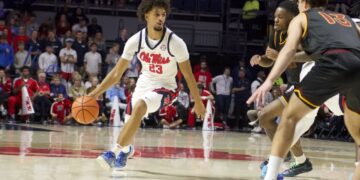
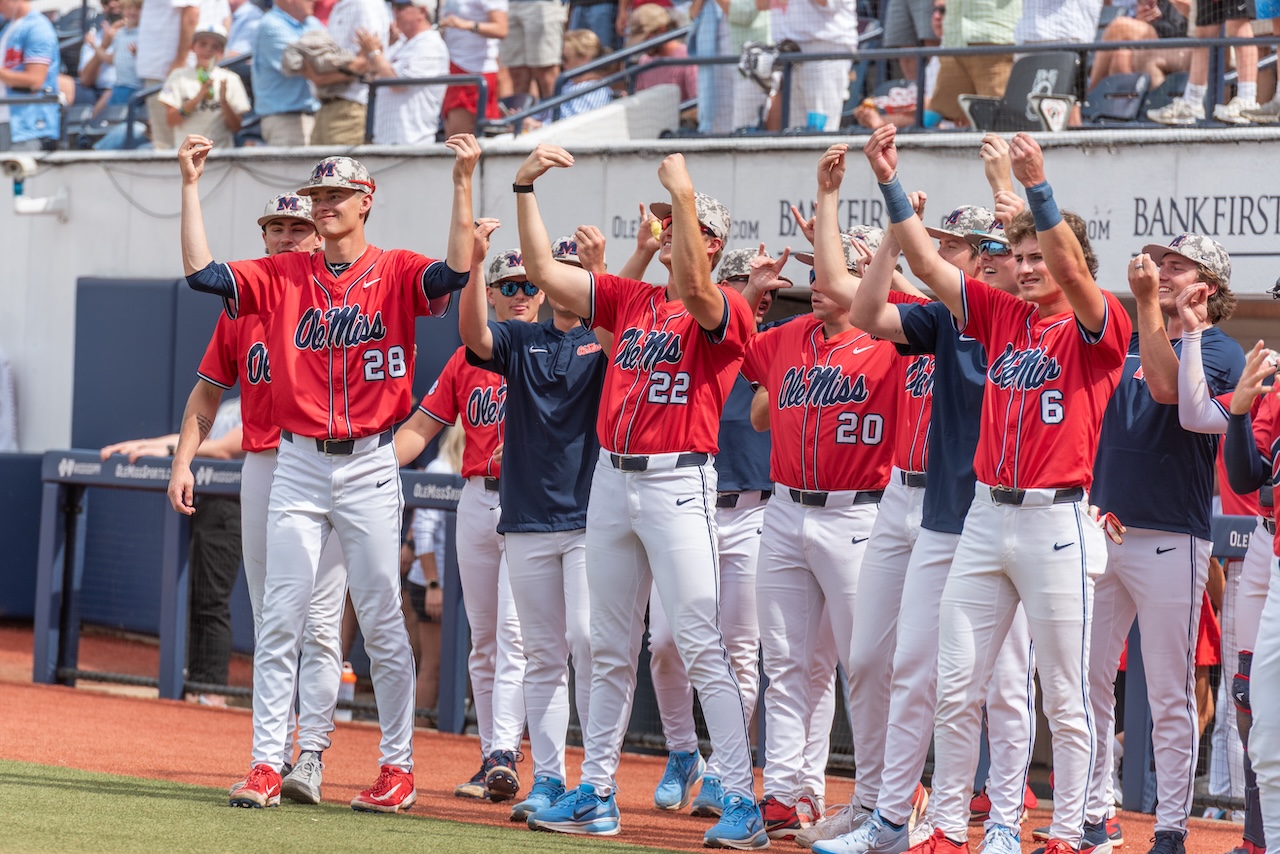
Take legendary Rebel pitcher Lance Lynn, for instance. He spent the 2006-08 seasons marking all over the record books and leading the Rebels through dominant postseason stretches.
Lynn ranks second all-time in strikeouts and was a two-time All-SEC Second Team selection. He also stood among the top of the NCAA in pitching during his tenure, with his 146 strikeouts during 2008 landing him at No. 5 overall.
Lynn was drafted in 2008 by the St. Louis Cardinals but did not make his professional debut until 2011. He became a member of the starting rotation in the 2012 season. ESPN’s concern of lag-time between success in college and the league reduces collegiate coverage of stars such as Lynn.
Now, is this the only reason why college baseball has lower viewership, and in turn, a lower share of ESPN’s media coverage? No. It is just one small piece of the puzzle.
Just as problematic is ESPN’s lack of coverage of college baseball, which directly contributes to the lack of viewership. Less coverage means less exposure, which means less fan interest, which then justifies the lack of coverage. It creates a dangerous cycle; fans cannot be expected to care about what they do not see.
This lack of coverage does not just make it more difficult for fans to follow their favorite teams and players. It makes it more difficult for athletes to gain exposure. It also hinders the growth of the sport itself.
College baseball has everything a sports fan could dream of — electric atmospheres, unique traditions and intense rivalries. ESPN is sitting on an untapped gold mine of viral moments and compelling storylines.
Interest and coverage feed into one another. If ESPN wants college baseball to matter, it must start acting like it does.