






















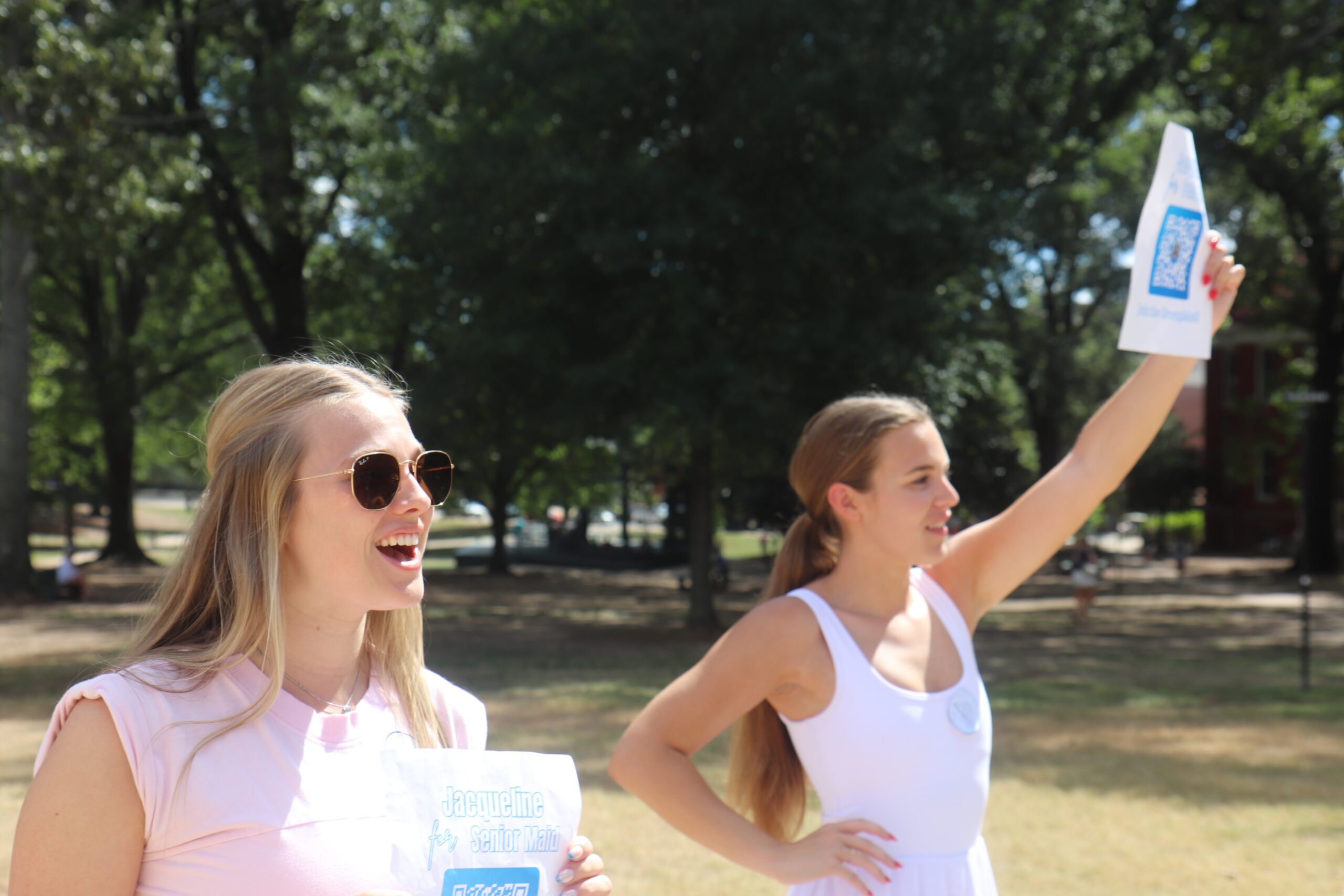
At the University of Mississippi, Homecoming week brings the familiar sight of candidate tables dotting the Union Plaza, decked with posters, flyers and campaign goodies.
Although the tradition is familiar to any student, this time around felt noticeably calmer and quieter.
This year’s election season was shaped particularly by new tabling rules that all campaigns had to follow. While some students embraced the more controlled setup, others missed the spectacle and energy of past seasons.
Ultimately, the new rules changed the overall atmosphere of the Homecoming season for better and for worse.
The Associated Student Body books space for all candidates to table through the student union, while all tables are booked through facilities management.
Homecoming candidates also face tighter limits on when they can campaign publicly via tables. ASB Attorney General Madison Waldrop announced that public campaigning on the plaza may only occur on specific dates. In prior years, candidates could table at almost any time once campaigning opened.
I believe that fewer decorations helped encourage more genuine conversations between candidates and voters. With fewer days allowed for tabling under the new rules, candidates had to focus more on their message than on spectacle.
Students passing by the tables get the chance to hear directly from the people behind the posters instead of just scrolling through campaign slogans online.
Tabling remains one of the most direct ways for candidates to reach voters. Instead of passive social media posts or mass texts, students can approach tables, ask questions about platforms and meet the people behind the campaign.
But the change has not eliminated criticisms. For students in a hurry, the tables still create traffic on busy walkways. The sheer number of campaigners, even under more restrictive rules, can feel overwhelming.
One passerby shared her thoughts on the matter.
“Tabling can feel overwhelming because there too are many organizations and candidates to go up to,” Addison Brawley, a sophomore computer science major, said.
For me, the new process feels fairer on paper, but also a little bureaucratic — as if student elections are being treated like office paperwork. Instead of having the chaotic nature of previous years, it feels more structured and rigid, taking away the old charm of Homecoming week.
Some students wonder whether tabling — even under the new structure — is still the best way to reach peers. With more students turning to social media, email and online forums, candidates have to work harder to capture attention in person.
“The in-person presence of candidates still has unique value,” Brawley said. “It allows you to really get to know what the candidate has to offer.”
The new rules do succeed in creating more clarity and reducing unfair competition by limiting extravagant setups. But the trade-off is a quieter, more subdued campaign atmosphere. The lack of flair makes the process feel less exciting, yet results in a cleaner, more level playing field.
As the votes are cast and the winners are announced, this year may be less about who won and more about how campaign tabling evolved. The question going forward is, “Can tabling remain a vibrant part of Ole Miss elections while respecting fairness, space and student experience?”
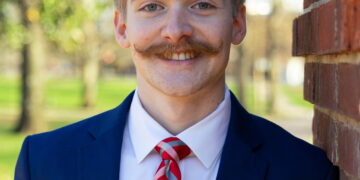
Vidya Adlakha is a sophomore biological sciences major from Ocean Springs, Miss.
Editor’s note: An earlier version of this story indicated candidates booked their tabling sessions through their sponsored RSOs. The story was corrected to say the Associated Student Body books the tables and spaces for candidates.